Smart Homes and the Quiet Revolution You Might Miss
Daniel Kim October 18, 2025
Explore how connected devices are reshaping daily life, from energy management to home security and entertainment. Unpack the technology driving smart homes, and learn what factors influence adoption, interoperability, privacy, and the future of intelligent living—keyphrase smart home technology included.
Smart Home Technology: Everyday Integration
Smart home technology is becoming a familiar part of modern living. Embedded in devices like thermostats, lights, doorbells, and voice assistants, these innovations deliver more convenience and flexibility. Automation can now adapt a home’s environment to changing needs throughout the day. Adjusting a thermostat remotely or receiving mobile alerts when doors open are surprisingly routine for many households. Voice-operated controls have introduced new levels of accessibility, making it easier for everyone to interact with technology. As more people look for ways to automate mundane tasks, the integration of smart home devices becomes a matter of lifestyle, not just luxury. The result? Houses that feel more responsive and supportive, fostering both comfort and efficiency.
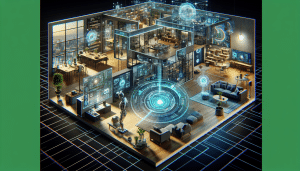
Devices capable of interconnecting are often referred to as the Internet of Things, or IoT. This network forms the backbone of connected living spaces, enabling everything from automated lighting systems to intelligent kitchen appliances. What once felt like science fiction is now routine, with users controlling lights, climate, and entertainment systems from their phones or smart speakers. Interoperability among devices is a growing theme—people want their home devices to work together seamlessly, regardless of brand. Standards are evolving to promote compatibility, meaning less hassle for homeowners.
The appeal extends beyond novelty. People want predictable, energy-efficient spaces that adapt to personal habits. Energy management systems, for example, analyze usage patterns to optimize heating and cooling. Home security devices send real-time alerts and support remote monitoring, enhancing a sense of safety and peace of mind. With each innovation, the line between digital technology and everyday living continues to blur. These integrations mark a significant shift toward smarter, more adaptive homes—a trend gaining momentum faster than many realize.
Energy Management and Sustainability in Smart Homes
Energy efficiency is a top motivator for many adopting smart home technology. Devices like smart thermostats and energy consumption monitors provide real-time feedback, helping residents identify unnecessary usage and adjust accordingly. Some smart meters even learn daily routines to automate heating or cooling, reducing utility bills and energy waste. Beyond convenience, this data-driven approach empowers homeowners to make more sustainable choices almost effortlessly.
Connecting renewable energy sources—such as rooftop solar panels—further amplifies the benefits of smart homes. These systems can store excess energy and strategically use it throughout the day, maximizing efficiency. Integration with power grids means that some smart homes can even feed surplus electricity back into the system, helping to stabilize demand across neighborhoods. This cooperative model supports both individual savings and broader environmental goals, making smart homes a quietly significant part of sustainability conversations.
Environmental incentives, from local governments or energy providers, are increasingly available to those who install energy-saving devices. Some utilities offer rebates for smart thermostats, while others provide lower rates for responsible usage. The financial aspects of adopting smart home energy management solutions are only part of the story. Residents also enjoy the peace of mind that comes from knowing their daily routines are contributing, in small ways, to a more sustainable future.
Privacy, Security, and User Control
Privacy concerns often surface with the rise of smart home technology. Devices collect vast amounts of data about habits, schedules, and even conversations. Understanding who controls this information is a critical topic. Most reputable manufacturers now build privacy controls into their products, allowing users to choose what gets recorded or shared. Still, the complexity of navigating these settings can feel daunting. Regular software updates are essential not just for new features but for patching security vulnerabilities, making them a vital part of responsible smart home management.
Strong passwords and two-factor authentication can limit unauthorized access to home networks, reducing risks. It’s not uncommon for smart devices to become targets for cybercriminals, who seek to exploit lax security. Vigilance pays off: updating firmware, changing default passwords, and managing device permissions can greatly enhance safety. As adoption of smart home ecosystems grows, digital security becomes as important as physical locks on doors and windows. Security is not just a technical issue but a matter of personal and household well-being.
Manufacturers and regulatory bodies are collaborating to set clear standards for data handling and privacy in smart devices. This ongoing effort seeks to balance innovation with accountability. Users increasingly expect transparency about data collection and control over their information. Greater awareness and regulation will likely result in safer, more trustworthy smart home experiences. As systems become more complex, understanding privacy settings is not optional—it’s essential for anyone interested in a connected lifestyle.
Accessibility, Inclusivity, and Adoption Trends
Smart homes are proving valuable for accessibility, especially for those with physical limitations. Voice assistants, smart lighting, and automated door systems allow for independence that might otherwise be out of reach. Simple voice commands can open doors, adjust temperature, or play music. These improvements are not just about convenience; for many with disabilities, smart technology is empowering, delivering autonomy and safety within personal spaces.
Affordability remains a concern. While prices for smart home devices have dropped, adoption rates vary depending on region, income, and digital literacy. Some homes experiment with basic automation—like smart plugs or speakers—before investing in broader ecosystems. Public programs, partnerships, and educational efforts can help close gaps, bringing the advantages of connected living to a wider audience. Interest in smart home solutions is growing as more people become comfortable navigating digital systems.
The digital divide remains a challenge. Households without reliable internet or technical support may find smart homes less approachable. Solutions include user-friendly interfaces and enhanced customer support, as well as local community programs designed to increase familiarity with digital tools. The broader rollout of 5G and expanded broadband access is expected to improve adoption rates. When accessibility is prioritized, smart homes can serve as equalizers, enabling safer and more comfortable living for nearly everyone.
Entertainment, Customization, and the Joy of Connected Living
Smart home technology also redefines entertainment. Multi-room audio, customizable lighting, and streaming services are accessible with a simple voice command or tap on a screen. Family movie nights become immersive events when lighting and sound respond to personal preferences automatically. Customization is at the heart of the experience, allowing users to define routines for waking up, relaxing, or entertaining guests.
Personalization goes well beyond fun. Adjusting lighting based on the time of day, or even the weather, supports well-being and productivity. Some homes learn routines and make suggestions—like reducing blue light before bed or setting a quiet ambiance after dinner. The ability to fine-tune environmental settings, even while away from home, adds a layer of reassurance and delight. Entertainment and convenience are, in many cases, the gateway to experimenting with more advanced automation.
The integration of voice control and artificial intelligence unlocks hands-free operation, further blending the boundaries between digital experiences and real life. As homes adapt, daily routines feel smoother, less cluttered with repetitive tasks. The joy of connected living is more than a novelty—it’s an ongoing evolution of how people experience their private spaces. The convergence of entertainment, customization, and technology marks a transformation in the meaning of home.
The Future: Interoperability, AI, and Smart Home Ecosystems
Looking ahead, increased interoperability is on the horizon for smart homes. Open standards like Matter are helping devices from different brands communicate more reliably. Fewer compatibility headaches mean users can focus more on creative customization and less on troubleshooting. The emerging trend is clear: ecosystems that can adapt to changing needs and preferences will define next-generation smart living.
Artificial intelligence further enhances personalization within home environments. Machine learning algorithms can sense patterns—such as preferred lighting or music—and proactively adjust settings. Some smart systems even anticipate needs, like running a vacuum when rooms are empty or automating grocery lists based on consumption. The role of AI is set to expand dramatically, promising homes that are not just smart but intuitive and sensitive to context.
Collaboration between policymakers, tech companies, and users will shape the future of connected homes. Regulation must keep pace with innovation to ensure data privacy, security, and equitable access. As the ecosystem matures, smart homes will become increasingly adaptive and individualized. Expect the smart home revolution to quietly transform routines, making lives simpler and more meaningful—one automated process at a time.
References
1. U.S. Department of Energy. (n.d.). Home automation and smart home technologies. Retrieved from https://www.energy.gov/energysaver/home-automation-and-smart-home-technologies
2. Federal Trade Commission. (n.d.). Smart TVs, smart homes, and your privacy. Retrieved from https://consumer.ftc.gov/articles/smart-tvs-smart-homes-and-your-privacy
3. National Renewable Energy Laboratory. (n.d.). Connected homes. Retrieved from https://www.nrel.gov/research/connected-homes.html
4. National Institute of Standards and Technology. (n.d.). Cybersecurity for IoT program. Retrieved from https://www.nist.gov/programs-projects/nist-cybersecurity-iot-program
5. Consumer Technology Association. (n.d.). Smart home accessibility. Retrieved from https://www.cta.tech/home
6. Open Connectivity Foundation. (n.d.). Ensuring interoperability in IoT. Retrieved from https://openconnectivity.org/our-work/specifications/

 Big Changes Shaping How You Learn in the Digital Era