Effortless Ways You Can Refresh Your Daily Routine
Sofia Alvarez October 26, 2025
Explore enjoyable and practical lifestyle changes you can make without stress. From mindful mornings to creative hobbies, discover habits and entertainment options that enhance daily living, spark positivity, and help you thrive. Simple choices can add value and joy to your lifestyle.
Rejuvenating Your Morning With Small Rituals
Morning routines set the tone for the day ahead. Incorporating even the tiniest rituals, such as stretching by your bedside or sipping a warm herbal tea, can help you feel anchored. Some prefer a few minutes of yoga or mindful breathing to center their thoughts before the day’s activities. Research suggests that these calming rituals not only boost mood but can, over time, improve resilience and productivity (Source: https://www.apa.org/topics/mindfulness).
Light exposure in the morning also plays a significant role in waking up the mind and body. Opening curtains early or stepping outside briefly can help regulate the body’s circadian rhythms and boost alertness. Integrating natural light and movement into the early part of the day often leads to increased energy and a stronger sense of purpose. These practices are accessible and adaptable for most lifestyles, regardless of how busy mornings may be.
For many, a mindful start replaces the rush and stress typically associated with busy schedules. Personalizing your wake-up routine with music, aromatherapy, or mindful journaling can turn an ordinary morning into something anticipated and enjoyable. Each small change encourages self-reflection and helps you notice what energizes you most. Experimenting with different rituals lets you find a unique approach that fits perfectly into your lifestyle.
Transforming Your Environment for Inspiration
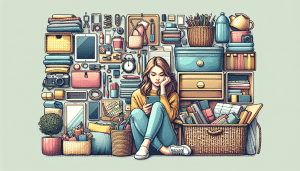
Your physical environment can greatly influence your mood and motivation. A simple decluttering session in a living space offers a sense of control and clarity, which translates into less stress and more creativity. Adding personal touches—plants, artwork, or favorite books on display—makes a difference, even in the smallest rooms. Over time, these changes can foster an uplifting space for both relaxation and inspiration (Source: https://www.nytimes.com/guides/smarterliving/how-to-declutter-your-home).
Consider also the power of natural elements and sensory details. Opening windows for fresh air, displaying seasonal flowers, or using calming scents like lavender and eucalyptus can help transform the atmosphere. Evidence shows that these simple steps often reduce anxiety and promote a sense of ease. Creating an environment that reflects your style brings comfort and can even improve overall well-being.
For those who work or study from home, organizing a dedicated area for focus can make productivity soar. Strategic placement of lighting, minimizing distractions, and using supportive seating arrangements are subtle yet effective tactics. Prioritizing comfort and functionality in your surroundings ensures your environment works for you—not against you. Refreshing a space, even without major renovations, is rewarding and revitalizing.
Incorporating Mindful Entertainment
Entertainment choices play a pivotal role in your quality of life. Watching uplifting films, listening to favorite music, or reading fiction can distract from daily stresses and offer a necessary mental reset. However, mindful consumption—choosing content that sparks positivity—has particular benefits for emotional health. Studies indicate that uplifting media can even contribute to reduced levels of stress and anxiety (Source: https://www.nimh.nih.gov/health/topics/coping-with-traumatic-events).
Social entertainment remains vital, too. Virtual meetups, board game nights, and shared hobbies can bridge physical distances and maintain strong relationships. Participating in online workshops or cultural events presents opportunities for learning and laughter with others. These activities stimulate creativity, offer new perspectives, and establish a healthy balance between digital and real-world engagement.
When leisure time is limited, micro-entertainment—such as short podcasts or five-minute dance breaks—can be both accessible and invigorating. Developing a playlist or exploring a new genre of music adds novelty to the week. By seeking entertainment that aligns with values and interests, individuals curate more meaningful downtime, promoting sustained curiosity and joy.
Simple Wellness Practices to Boost Mood
Small shifts in daily routines can spark significant improvements in well-being. Hydrating well, choosing balanced snacks, and practicing deep breathing all contribute to emotional balance. Mindfulness exercises have a proven impact on reducing symptoms of anxiety and increasing self-awareness (Source: https://www.cdc.gov/mentalhealth/stress-coping/cope-with-stress/index.html). Even five minutes of conscious relaxation during a busy day can refresh perspective and energy.
Regular physical activity remains a top mood booster. Walking, dancing, stretching, or short interval workouts—done at home or outdoors—can quickly relieve tension and elevate energy. Recent findings support the mental health benefits of exercise, showing consistent links to improved mood, cognitive function, and better sleep. Integrating activity into routine, whether through household chores or guided online sessions, is both flexible and impactful.
Nourishing the mind with creative hobbies, such as sketching, cooking, or crafting, also increases satisfaction and lowers stress. Dance, garden projects, and do-it-yourself decor invite playfulness and foster a sense of accomplishment. These activities offer both relaxation and social connection when done with others, providing lasting mood-lifting effects in everyday life.
Building Lasting Connections Through Shared Experiences
Strong social connections are fundamental for fulfilling lifestyles. Prioritizing regular communication with friends or family, whether in person or virtually, fosters a sense of belonging. Engaging in shared experiences like collaborative cooking, movie marathons, or online trivia nights builds trust and provides emotional support. According to the CDC, such interactions directly influence mental and emotional health (Source: https://www.cdc.gov/aging/publications/features/lonely-older-adults.html).
It’s not always the frequency of interaction that matters but the intention behind it. Thoughtful gestures—like sending a handwritten note or sharing personal recommendations—show genuine care. People often report higher satisfaction when they make time for meaningful connections, strengthening both relationships and self-esteem. Exploring new activities together brings a sense of novelty and shared joy.
Volunteering and participating in community projects are also powerful ways to expand social networks. Whether supporting local initiatives or joining interest groups, involvement in the community provides connection and purpose. Those who actively contribute to causes often describe heightened happiness and a deeper sense of contributing to the greater good.
Exploring Creative Hobbies for Everyday Fulfillment
Experimenting with creative outlets reignites curiosity and expands personal expression. From painting to writing poetry, these activities invite reflection and relaxation. Many find that creative hobbies offer an emotional release—a way to process thoughts and celebrate individuality. Resources are readily available online or through community classes, making it simple for anyone to try something new (Source: https://www.arts.gov/impact/accessibility/creativity-and-aging).
Creative interests often lead to new friendships and unexpected opportunities. Joining a virtual book club, participating in art challenges, or sharing projects on social media are all accessible ways to connect over shared passions. Group activities support healthy accountability and encourage consistent engagement, laying the groundwork for purposeful leisure and social enrichment.
Regular creative practice nurtures patience, boosts confidence, and sharpens focus. Even without expertise, the process of engaging in music, crafts, or culinary experiments provides joy and growth. Creative hobbies integrated into a balanced lifestyle spark inspiration that ripples into other areas, reinforcing the idea that fulfillment is found in both big moments and daily details.
References
1. American Psychological Association. (n.d.). Mindfulness. Retrieved from https://www.apa.org/topics/mindfulness
2. The New York Times. (n.d.). How to declutter your home. Retrieved from https://www.nytimes.com/guides/smarterliving/how-to-declutter-your-home
3. National Institute of Mental Health. (n.d.). Coping with traumatic events. Retrieved from https://www.nimh.nih.gov/health/topics/coping-with-traumatic-events
4. Centers for Disease Control and Prevention. (n.d.). Take care of your body. Retrieved from https://www.cdc.gov/mentalhealth/stress-coping/cope-with-stress/index.html
5. Centers for Disease Control and Prevention. (n.d.). Loneliness and Social Isolation Linked to Serious Health Conditions. Retrieved from https://www.cdc.gov/aging/publications/features/lonely-older-adults.html
6. National Endowment for the Arts. (n.d.). Creativity and Aging. Retrieved from https://www.arts.gov/impact/accessibility/creativity-and-aging

 Why Fact-Checking Matters in the Era of Viral News