You Can Create a Thriving Pollinator Garden
Isabella Rossi November 6, 2025
Discover the steps to transform your outdoor space into a pollinator-friendly habitat. This guide shares proven strategies for supporting bees, butterflies, and birds while boosting your garden’s beauty and productivity.
Understanding the Importance of Pollinator Gardens
Pollinator gardens are more than a trend—these spaces play a crucial role in supporting the environment. Bees, butterflies, and hummingbirds are vital for pollinating many of the foods people eat. When you build a pollinator-friendly environment, you’re contributing directly to biodiversity and ecosystem resilience. Small choices, such as selecting the right flowering plants, help ensure these helpful species thrive and continue their essential work in gardens across the globe.
The decline of pollinator populations due to habitat loss, pesticide use, and climate change poses risks to agricultural productivity and garden abundance. Incorporating a diverse range of flowering plants and avoiding chemicals supports not just pollinators but the ecosystem as a whole. The presence of pollinators often means your fruits, vegetables, and ornamental flowers will flourish, creating a more vibrant, productive landscape for everyone to enjoy (Source: https://www.fs.fed.us/wildflowers/pollinators/Why_Pollinators/important.shtml).
Pollinator gardens are accessible to people with all levels of gardening experience—from beginners with balconies to experienced growers with large yards. By choosing native plants and providing necessary resources such as water and shelter, anyone can participate in this ecological restoration process. Many communities now recognize the value these gardens bring, offering resources and incentives to support their creation (Source: https://www.pollinator.org/guides).
Key Elements Every Pollinator Garden Needs
The effectiveness of a pollinator garden depends on carefully planned components. Plant selection should emphasize blooms that provide nectar and pollen throughout the growing season. Native species are especially important because local pollinators have evolved with these plants, supporting a natural balance and increasing overall resilience to pests and disease (Source: https://www.nwf.org/Garden-for-Wildlife/About/Native-Plants).
Consider the arrangement and diversity of plants in your garden. Grouping similar species together makes foraging easier for pollinators, while staggered bloom times offer continuous resources. Including a mix of shapes, sizes, and colors attracts a wide variety of species. Extra features like shallow water basins and undisturbed areas for nesting also invite bees and butterflies to stay all season.
Other elements, such as avoiding pesticides and providing shelter, further support the pollinator community. Pollinator-friendly gardens often include leaf litter, log piles, or small brush shelters, which offer refuge for many insects and solitary bees. These additions enhance the habitat value and contribute to a self-sustaining cycle of plant and pollinator health.
Choosing the Right Plants for Success
Plant choice is central to a garden’s success with pollinators. Select flowers and shrubs known to thrive in your local climate and soil conditions. Sunflowers, milkweed, coneflowers, and bee balm are just a few examples of popular selections that benefit a variety of pollinating species. Integrating these into your garden can increase visits from bees, butterflies, and beneficial insects, improving pollination rates for all surrounding vegetation.
Native plants require less irrigation and fertilizer, making them both eco-friendly and easier to maintain. They’ve adapted to local challenges like droughts or pests, naturally supporting garden health. Using these species helps sustain pollinators through periods when exotic ornamentals may not be blooming or producing resources (Source: https://www.xerces.org/blog/planting-for-pollinators).
Variety within plantings is vital. Trees, shrubs, and herbaceous flowers all play a role, offering shelter and food at different life stages. Several online databases and local extension services provide resources for region-specific plant lists, ensuring your garden is as attractive to pollinators as it is beautiful for people to view (Source: https://extension.psu.edu/plants-for-pollinators).
Garden Layout and Maintenance Strategies
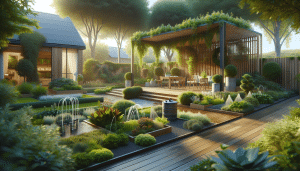
A thoughtful layout ensures pollinators can safely visit the garden. Clustering flowering plants reduces the energy cost for bees and butterflies, which allows them to gather nectar more efficiently. Gardens with different layers—ground covers, perennials, small shrubs, and trees—mimic natural habitats and cater to various species. Pathways provide easy access for both wildlife and gardeners.
Maintenance for a pollinator garden is surprisingly simple when native species are used. Practices like leaving some leaf litter, not mowing too early in the spring, and minimizing herbicide usage maintain cover and food sources for pollinators. Mulching can help retain moisture, while periodic deadheading encourages continued blooming throughout the season.
Even in small gardens, allowing some wild areas to remain undisturbed dramatically boosts nesting and overwintering sites. Observing your garden throughout the year provides feedback for tweaking layouts or adding new features, resulting in more robust pollinator populations over time. Maintenance routines should balance neatness with ecological value to secure long-term success.
Seasonal Care and Long-Term Considerations
Pollinator gardens are dynamic, changing with each season. Spring is key for early-blooming plants, which sustain emerging pollinators. Summer requires consistent water and periodic weeding to keep the area inviting and reduce competition from aggressive species. Established native plantings typically require little intervention beyond seasonal checks and minimal pruning.
Autumn offers a chance to prepare the garden for cooler months. Leaving seed heads and stalks provides winter food and shelter for birds and insects. Avoiding heavy cleaning until late spring ensures beneficial insects are not disturbed during dormancy. Many pollinators overwinter in garden debris—careful management helps their populations rebound in the warmer months.
Over time, evaluate the garden’s plant diversity and bloom sequence. Introducing new native selections or expanding habitat features ensures the space continues to support pollinators as environmental conditions shift. Regular observation helps identify which flowers draw the most visitors, allowing for targeted adjustments to maximize garden impact (Source: https://www.fws.gov/story/pollinators-and-pollinator-gardens).
Connecting with Community and Local Resources
Pollinator gardening is increasingly supported by community networks and organizations. Join local garden clubs or extension services to share knowledge, exchange seeds, and stay updated on conservation events. These groups often host workshops or garden tours to inspire and educate members about native plants and pollinator needs (Source: https://mastergardener.extension.wisc.edu/article/supporting-pollinators-kominski/).
Participating in citizen science projects enables you to track pollinator species and contribute data to national biodiversity studies. These efforts not only increase understanding but also draw attention to ongoing conservation work. Schools and youth groups can also become involved, turning pollinator gardens into learning hubs for nature and science.
Grant programs and municipal initiatives may help fund pollinator gardens in public spaces, increasing access to the environmental and scenic benefits they provide. By making connections with these organizations, gardeners learn about funding, plant sources, and garden design tips, making the creation and upkeep of pollinator habitats easier and more rewarding for everyone involved.
References
1. U.S. Forest Service. (n.d.). Why Pollinators are Important. Retrieved from https://www.fs.fed.us/wildflowers/pollinators/Why_Pollinators/important.shtml
2. Pollinator Partnership. (n.d.). Planting Guides. Retrieved from https://www.pollinator.org/guides
3. National Wildlife Federation. (n.d.). Native Plants for Wildlife Gardens. Retrieved from https://www.nwf.org/Garden-for-Wildlife/About/Native-Plants
4. Xerces Society. (n.d.). Planting for Pollinators. Retrieved from https://www.xerces.org/blog/planting-for-pollinators
5. Penn State Extension. (n.d.). Plants for Pollinators. Retrieved from https://extension.psu.edu/plants-for-pollinators
6. U.S. Fish and Wildlife Service. (n.d.). Pollinators and Pollinator Gardens. Retrieved from https://www.fws.gov/story/pollinators-and-pollinator-gardens

 Unlocking AI’s Role in Everyday Life