You Might Be Surprised by Gut Health Secrets
Sofia Alvarez November 29, 2025
Discover why gut health is at the center of current wellness discussions. This guide explores the complex relationship between your digestive system, mental wellbeing, and overall body function. Uncover simple steps you can start with right away to support a healthier, happier gut and learn about latest research in microbiome science.
What Makes Gut Health So Important?
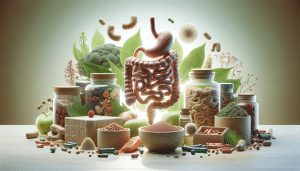
The human gut is more than just a place for digesting food. In fact, it’s a dynamic ecosystem packed with trillions of microbes that influence daily wellbeing. This is what’s referred to as the gut microbiome. Balanced gut flora has been linked to a stronger immune system and even hormonal balance. Many experts believe gut health can impact everything from mood to skin quality. When the digestive system is in harmony, the body works effortlessly to absorb nutrients and fight off potential illness (Source: https://www.niddk.nih.gov/health-information/digestive-diseases/digestive-system-how-it-works).
Research is quickly revealing how the connection between digestive health and overall wellness is far deeper than previously thought. For example, digestive issues are often among the first signs that the body is experiencing stress or imbalance elsewhere. It’s now well understood that good gut health can contribute to better energy levels, mental sharpness, and even emotional resilience. The microbiome is always adapting, responding to changes in diet, lifestyle, and stress levels (Source: https://www.ncbi.nlm.nih.gov/pmc/articles/PMC5641835/).
Beyond digestion, the gut plays a key role in synthesizing vital nutrients and supporting immune responses. Scientists frequently call it the second brain because of its connection to mood-regulating neurotransmitters like serotonin. Looking after the gut is not simply about avoiding stomach troubles but building the foundation for total body wellness. The result? Many are turning to mindful eating, prebiotic and probiotic foods, and lifestyle shifts to promote digestive health as a core part of their self-care routines.
How the Gut Microbiome Shapes Your Wellbeing
Every individual’s gut microbiome is as unique as a fingerprint. The balance of bacteria, fungi, and other microorganisms plays a crucial part in daily life. Recent studies have highlighted how variations in gut microbiota can shift risk factors for conditions such as diabetes, obesity, and inflammatory diseases. The microbial community is affected by what you eat, how you move, and even environmental exposures—making lifestyle choices vitally important (Source: https://www.hsph.harvard.edu/nutritionsource/microbiome/).
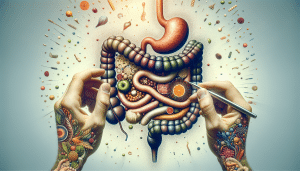
Not everything about this internal ecosystem is visible from the outside, but its effects ripple through metabolism, immune responses, and even mental clarity. For example, chemicals produced by microbes can communicate with the brain through what’s often called the gut-brain axis. That’s why people sometimes say they have “gut feelings” during stressful or decision-heavy times. A thriving gut can help regulate appetite, immune function, and influence stress resilience.
Supporting microbiome health may be simpler than it seems. Everyday decisions—like eating more fiber, staying hydrated, and getting enough rest—can help tip the balance in favor of good bacteria. Diversifying your diet with fruits, vegetables, whole grains, and fermented foods is also a time-tested strategy. These small changes are shown to not only promote gut harmony but can boost your mood and energy in meaningful ways (Source: https://medlineplus.gov/ency/article/007431.htm).
Influences on Your Digestive Ecosystem
It’s common to focus on probiotics and supplements, but many factors influence gut health. Medications, especially antibiotics, can temporarily disrupt the good bacteria within your digestive tract. Stress, sleep habits, and even travel can all cause shifts—sometimes beneficial, sometimes not. That’s why it’s recommended to tune in to how your gut feels during times of change, as discomfort can offer clues to deeper imbalances.
Dietary patterns make a significant impact. Diets heavy in processed foods, excess sugar, or artificial additives tend to encourage growth of less-desirable microbes. Conversely, fiber-rich foods such as leafy greens, legumes, and nuts act as prebiotics, nourishing beneficial bacteria. The gut thrives on diversity—meaning the more varied your diet, the more resilient your microbiome may become over time.
Hydration and consistent meal timing are additional, sometimes overlooked, pillars of digestive wellbeing. Water helps move nutrients efficiently and supports the natural rhythm of the intestines. Eating at similar times daily allows your gut to sync up and function smoothly. These are not complicated changes, but together they can make a profound difference for both short-term comfort and long-term resilience.
Gut Health’s Surprising Connections to Mood
The gut-brain connection has been a subject of fascination in recent research. It turns out, approximately 90% of serotonin—a neurotransmitter linked to happiness—is produced in the intestines. This highlights why shifts in gut bacteria can sometimes affect emotional wellbeing or cognitive function (Source: https://www.apa.org/monitor/2012/09/gut-feeling).
Scientists continue to explore how balancing gut bacteria may ease symptoms of anxiety, depression, and even improve memory. While supplementation is an area of growing interest, a stable microbiome cultivated through mindful nutrition plays a leading role. Some people notice mood shifts when introducing more fermented foods or prebiotic fibers to their diets, underscoring the intricate dialogue between the digestive system and brain.
Understanding and supporting this axis may offer new hope for managing stress naturally. Practices that combine nutrition, stress reduction techniques, and adequate sleep are now recommended by many wellness advocates. Even gentle movements, like yoga or stretching, can further strengthen the gut-brain pathway, offering an integrative formula for everyday calm and clarity.
Practical Ways to Support a Healthy Gut
There isn’t a single solution for optimal digestive health, but a few simple habits can make a big difference. Incorporating foods rich in probiotics (such as yogurt, kefir, and sauerkraut) and prebiotics (found in chicory, onions, and asparagus) helps build a thriving bacterial community. A gradual shift towards whole, minimally processed foods gives your gut the best chance at maintaining harmony.
Stay mindful of lifestyle habits that influence your gut. Chronic stress, erratic sleep, and excessive use of antibiotics can weary the gut ecosystem. Regular movement, whether walking or cycling, helps support digestive motility. Remember to pay attention to how your body reacts after introducing new foods, as digestive discomfort can signal a need for adjustments.
Lastly, maintain hydration and strive for a diet rich in color and variety. Water supports natural cleansing of the digestive tract, while colorful foods provide antioxidants to help balance inflammation. Simple choices, repeated over time, are powerful steps toward digestive health that supports full-body vitality and emotional uplift.
Myths and Realities of Gut Wellness
With the growing awareness of gut health, myths abound. Not all supplements are necessary or even helpful—often, nutrition from foods is more bioavailable. Another common misconception is that everyone needs to follow the same gut-supporting protocol; in reality, each person’s microbiome is unique. Listening to your own body is key (Source: https://www.cdc.gov/nutrition/index.html).
Marketing language can sometimes overpromise, suggesting instant fixes or miracle results. Science shows that meaningful changes to the microbiome develop over time and with consistency. Research also reveals that while fermented foods and probiotics can be helpful, they work best alongside a balanced overall diet and regular lifestyle rhythms.
Armed with facts, it becomes easier to navigate the wide range of digestive health products and advice. Seek credible, evidence-based sources and consult a healthcare provider with persistent concerns. The good news—simple, consistent, and science-supported strategies can be both accessible and effective in supporting gut wellness, no matter your starting point.
References
1. National Institute of Diabetes and Digestive and Kidney Diseases. Digestive System (How it Works). Retrieved from https://www.niddk.nih.gov/health-information/digestive-diseases/digestive-system-how-it-works
2. Clarke, G., Stilling, R. M., Kennedy, P. J., Stanton, C., Cryan, J. F., & Dinan, T. G. (2014). Gut Microbiota: The Neglected Endocrine Organ. Clinical Research in Gastroenterology. Retrieved from https://www.ncbi.nlm.nih.gov/pmc/articles/PMC5641835/
3. Harvard T.H. Chan School of Public Health. The Microbiome. Retrieved from https://www.hsph.harvard.edu/nutritionsource/microbiome/
4. MedlinePlus. Gut Microbiome. Retrieved from https://medlineplus.gov/ency/article/007431.htm
5. American Psychological Association. The Gut-Brain Connection. Retrieved from https://www.apa.org/monitor/2012/09/gut-feeling
6. Centers for Disease Control and Prevention. Nutrition. Retrieved from https://www.cdc.gov/nutrition/index.html

 Why You Keep Hearing About AI in Daily News