Interior Decor Ideas for Modern Minimalist Homes
Isabella Rossi September 19, 2025
In the ever-evolving world of interior design, the minimalist trend continues to dominate, offering a refreshing escape from cluttered, chaotic spaces. With its clean lines, neutral color palettes, and focus on functionality, modern minimalist decor has become the go-to choice for those seeking tranquility, efficiency, and elegance within their homes. But how can you incorporate this minimalist approach without sacrificing comfort or style?
In this article, we’ll explore the latest trends and ideas for designing modern minimalist homes that are both functional and aesthetically pleasing. From optimizing space to choosing the right furniture and accessories, these interior decor tips will help you create a serene, stylish living environment.
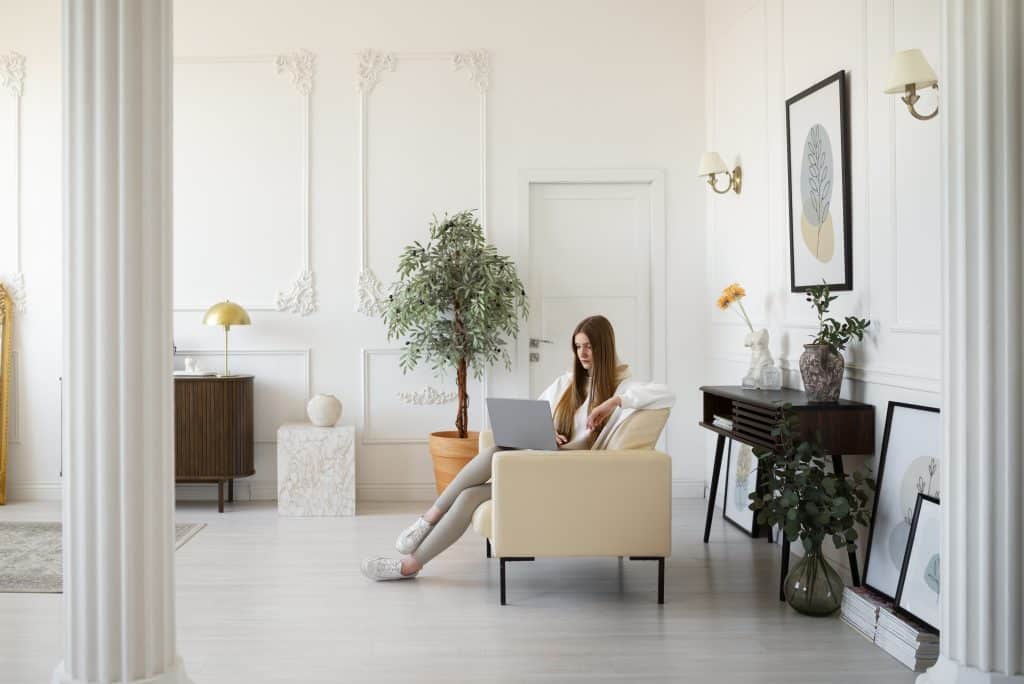
1. Embrace Neutral Tones for a Clean Aesthetic
One of the key characteristics of modern minimalist design is the use of neutral colors. Soft whites, warm greys, earthy browns, and muted pastels create a calm and cohesive look that enhances the simplicity of the space.
Why Neutral Tones Work:
- Timeless Appeal: Neutral colors never go out of style, making them a smart long-term investment for your home decor.
- Light and Space: Lighter hues help reflect natural light, making rooms feel bigger and brighter.
- Versatility: Neutrals serve as a perfect backdrop for showcasing other design elements like art, plants, or statement furniture pieces.
How to Implement It:
- Walls and Ceilings: Opt for soft whites or light greys to create an open, airy feel. Consider matte finishes to add sophistication.
- Accent Pieces: Add warmth with earthy tones in your furniture, rugs, or textiles like linen cushions or wool throws.
- Contrasting Elements: Use dark accents in small doses (think black frames or a dark wood floor) to add contrast and prevent the space from feeling too sterile.
2. Maximize Space with Multi-Functional Furniture
A core principle of minimalist design is maximizing functionality while minimizing excess. Multi-functional furniture plays a critical role in this process, especially in smaller spaces.
Why Multi-Functional Furniture Matters:
- Efficiency: It helps you utilize your space more efficiently, making the most of every square foot.
- Flexibility: Multi-functional pieces are adaptable, providing versatility in how you use your space.
- Clutter-Free: By combining multiple functions into one item, you can eliminate the need for excessive furnishings.
How to Implement It:
- Storage Solutions: Choose furniture with hidden storage, like ottomans with built-in compartments, or coffee tables with drawers. Floating shelves and built-in cabinets can also offer extra storage without crowding the room.
- Convertible Furniture: Consider fold-out desks, sleeper sofas, and expandable dining tables that can be adjusted as needed.
- Minimalist Workspaces: For home offices, choose sleek, multi-purpose desks that double as storage units or standing desks for added convenience.
3. Focus on Clean Lines and Simple Silhouettes
Minimalist design thrives on simplicity, and one of the easiest ways to achieve this is by selecting furniture and decor with clean lines and uncomplicated silhouettes.
Why Clean Lines and Simple Silhouettes Work:
- Visual Clarity: Simple, unadorned designs allow the eye to flow seamlessly across the space, creating a sense of openness.
- Timeless Appeal: Furniture with minimal detailing remains relevant over time, unlike heavily ornamented styles that may feel dated.
- Enhanced Functionality: Clean lines often equate to more practical, versatile pieces that don’t overwhelm the space.
How to Implement It:
- Furniture Selection: Choose sofas and chairs with slim, straight frames, avoiding heavy upholstery or ornate carvings. Go for geometric shapes and sleek profiles.
- Minimal Decor: Stick to a few high-quality decor pieces, such as a well-placed sculpture, art piece, or plant, instead of cluttering surfaces with knick-knacks.
- Open Shelving: If you use shelves, keep them minimal. Display only essential items, such as neatly stacked books or a single decorative vase.
4. Add Natural Elements to Enhance Comfort
While minimalist design often favors simplicity, it doesn’t have to feel cold or unwelcoming. Incorporating natural elements can warm up the space while maintaining the minimalist ethos.
Why Natural Elements Matter:
- Connection to Nature: Natural materials like wood, stone, and plants create a calming, grounded environment.
- Sustainability: Many natural materials are sustainable, contributing to a greener home.
- Texture: Incorporating organic textures can add depth and interest to an otherwise simple design.
How to Implement It:
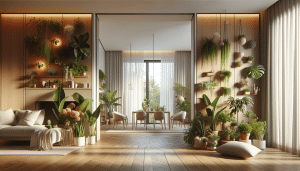
- Wood Accents: Use natural wood for furniture pieces, flooring, or accent walls to introduce warmth and texture.
- Stone and Marble: Add stone elements, such as a marble countertop or natural stone tile, for a touch of luxury that aligns with minimalist sensibilities.
- Indoor Plants: A few strategically placed plants can introduce life and color. Opt for low-maintenance varieties like snake plants or succulents to keep upkeep minimal.
- Textural Contrast: Layer different textures such as wool, linen, and leather to create a rich yet minimal environment that’s pleasing to the touch.
5. Incorporate Smart Home Technology
Integrating smart home devices is an emerging trend in modern minimalist homes, as these technologies improve the efficiency of your living space while keeping things sleek and simple.
Why Smart Home Technology Works:
- Efficiency: Smart technology can optimize your home’s energy use, adjust lighting, and improve security—all while keeping your space free of bulky electronics.
- Minimalist Aesthetic: With sleek, hidden smart devices, you can control your home’s features without the clutter of remotes, switches, and visible wires.
- Convenience: Smart systems allow you to control various aspects of your home with ease, from adjusting your thermostat to managing appliances remotely.
How to Implement It:
- Smart Lighting: Use smart bulbs and lighting systems to control the ambiance of your home, adjusting the light intensity and color based on time of day or activity.
- Voice-Controlled Devices: Devices like smart speakers can control music, lighting, and even kitchen appliances, all with a simple voice command.
- Hidden Tech: Integrate smart appliances like refrigerators, washing machines, and thermostats that blend seamlessly into your minimalist kitchen or living room.
6. Keep Your Color Palette Simple
A minimalist home thrives on a carefully selected color palette. In modern interiors, less is more—too many colors can create visual clutter and disrupt the sense of calm you’re trying to achieve.
Why Simple Color Palettes Matter:
- Visual Calm: A limited color palette ensures that the space remains tranquil and organized, enhancing the minimalist look.
- Coherence: With fewer colors, your decor elements will flow naturally, making the space feel cohesive and thoughtfully designed.
- Longevity: Neutral colors stand the test of time, meaning you won’t need to constantly update your space to keep it fresh.
How to Implement It:
- Neutral Tones: Stick to whites, beiges, greys, and blacks as your primary colors. Use these shades for walls, floors, and major furniture pieces.
- Accent Colors: Introduce one or two accent colors sparingly, like muted greens or earth tones, to keep the space lively without overwhelming it.
- Textural Contrast: Use texture rather than color to create contrast. For instance, combine matte walls with glossy finishes or pair soft fabrics with sleek metal or wood elements.
Conclusion: Achieving Balance in Modern Minimalism
When designed thoughtfully, modern minimalist homes offer a balance of form and function, comfort and simplicity. By focusing on clean lines, neutral tones, sustainable materials, and innovative technology, you can create a home that promotes tranquility, efficiency, and aesthetic appeal. Whether you’re designing a new space or updating your current home, these interior decor ideas will guide you toward creating a minimalist haven that aligns with your modern lifestyle.
References
- Emerging Trends in Minimalist Interior Design- https://homiodecor.com
- Expert Insights on Minimalist Decor- https://www.vogue.com
- Practical Tips for Implementing Minimalist Design- https://www.neathousesweethome.com

 Emerging Trends in Global Financial Markets