Travel Experiences That Enhance Learning Opportunities
Daniel Kim September 23, 2025
Travel is more than just a way to escape daily routines and see new places—it has the potential to be a powerful learning experience. Whether you are traveling for leisure, business, or education, each journey can provide unique opportunities for growth, insight, and development. In 2025, travel experiences are increasingly being recognized as a way to expand learning opportunities in both formal and informal contexts.
With the rise of global connectivity and the increasing popularity of experiential travel, people are now seeking opportunities to learn about cultures, histories, and sustainable practices in more immersive and meaningful ways. This shift is transforming the way we think about travel—not just as a vacation but as an enriching, educational experience that can influence personal growth, professional development, and a deeper understanding of the world around us.
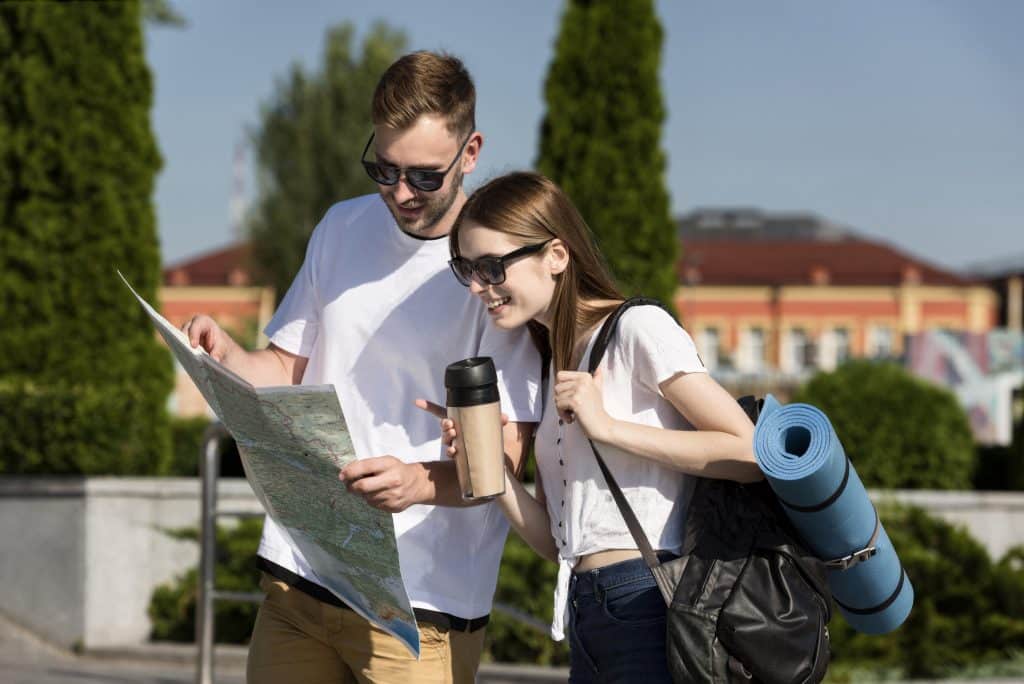
Why Travel Enhances Learning Opportunities
Travel offers a multitude of learning opportunities that go beyond traditional classroom education. From gaining practical skills to learning about different cultural perspectives, travel allows individuals to immerse themselves in environments that encourage personal and intellectual growth. Here’s how travel promotes learning:
1. Cultural Awareness and Understanding
One of the most significant learning benefits of travel is the exposure to diverse cultures. Whether you’re exploring bustling cities or remote villages, every destination offers a chance to learn about different traditions, values, and social norms.
Why it works:
- Traveling broadens your worldview, helping you understand the perspectives and lifestyles of others.
- It provides firsthand experiences that can challenge stereotypes and increase empathy, promoting more inclusive thinking.
2. Hands-on Learning Experiences
Travel allows you to learn in a hands-on way. For example, culinary classes in Italy, pottery workshops in Mexico, or history tours in Egypt offer immersive experiences that engage your senses and deepen your understanding of a subject.
Why it works:
- Participating in activities gives you the chance to learn practical skills that are not easily taught in a classroom setting.
- Engaging directly with a culture, craft, or history helps solidify knowledge through experience.
3. Self-Development and Personal Growth
Travel often forces individuals to step out of their comfort zones, which is an essential aspect of personal growth. Navigating new environments, communicating in foreign languages, and adapting to unfamiliar situations enhance problem-solving, communication, and resilience.
Why it works:
- Traveling can boost confidence and independence, which are important components of self-development.
- It allows you to learn about yourself and discover new strengths, making it a life-changing educational experience.
Trending Travel Experiences for Learning Opportunities
As the world adapts to changing travel patterns, more and more experiences are being tailored to provide enriching educational opportunities. From eco-tourism to learning-focused cultural exchanges, the landscape of travel is shifting towards a more intentional and immersive experience.
1. Eco-Tourism and Sustainability Travel
Eco-tourism is becoming an increasingly popular way to combine travel with learning about sustainability and environmental conservation. Countries and regions that focus on eco-friendly practices are offering travelers a chance to gain insight into the challenges and solutions for preserving our planet.
Why it works:
- Visitors not only get to experience the beauty of natural landscapes but also learn about conservation efforts, wildlife protection, and sustainable agriculture.
- Eco-tourism is a powerful way to learn about climate change and environmental stewardship while making a positive impact on local communities.
Example: Costa Rica’s rainforests and wildlife sanctuaries, which prioritize sustainability and conservation, offer tours that educate visitors about biodiversity and the importance of protecting natural habitats.
2. Voluntourism: Giving Back While Learning
Voluntourism, or volunteering while traveling, has become a highly popular way to combine work and learning. Whether it’s teaching English in rural villages, assisting in conservation projects, or helping with community development, voluntourism provides hands-on learning experiences while also giving back to local communities.
Why it works:
- This form of travel enables travelers to apply their skills while learning about the social and economic challenges faced by different regions.
- Volunteers gain valuable experience and insight into global issues such as poverty, education, and healthcare.
Example: Programs like those offered by Projects Abroad give travelers the chance to engage in hands-on work while learning about local cultures and improving life conditions in underserved areas.
3. Culinary and Agricultural Tours
Culinary tourism is a rising trend that offers immersive learning opportunities in food and culture. Travelers are increasingly seeking out cooking classes, wine tours, and farm-to-table experiences that not only indulge the senses but also provide valuable knowledge about local ingredients, preparation methods, and food traditions.
Why it works:
- Cooking classes and agricultural tours provide insights into the local food culture, teaching visitors how to prepare dishes that reflect the heritage of the region.
- Through this type of travel, individuals can develop a deeper appreciation for sustainable food practices and local culinary arts.
Example: In the south of France, travelers can enjoy guided tours through vineyards, learning about sustainable wine production and gaining hands-on experience in wine tasting and pairing.
4. Historical and Educational Travel Experiences
For history buffs and those looking to deepen their understanding of the past, historical travel experiences are a great way to learn. Whether it’s exploring ancient ruins, visiting museums, or embarking on guided historical tours, this type of travel provides in-depth learning about civilizations, key events, and cultural shifts.
Why it works:
- Traveling to historical sites allows you to connect with the past in a tangible way, often bringing textbook knowledge to life.
- These experiences also foster critical thinking as you reflect on how history shapes current events and social systems.
Example: Visiting ancient sites like the Acropolis in Greece or the Great Wall of China not only teaches about history but also opens up a dialogue about the preservation of cultural heritage.
5. Adventure Travel for Mindful Learning
Adventure travel—whether it’s hiking, kayaking, or mountaineering—is not just about thrill-seeking; it also provides valuable learning opportunities. These experiences require preparation, perseverance, and mindfulness, which can teach you skills such as resilience, planning, and mental clarity.
Why it works:
- Adventure travel pushes individuals to step out of their comfort zones, helping to cultivate both physical and mental strength.
- Engaging with nature in an active way fosters mindfulness and promotes reflective thinking, making it ideal for personal growth.
Example: Trekking through the Himalayas or hiking in the Andes provides not only an adventure but also a deep connection with nature and a meditative, reflective journey that enhances both physical and mental clarity.
How to Incorporate Learning into Your Next Trip
To make the most of your next travel experience, here are a few tips for ensuring that you incorporate educational opportunities into your journey:
1. Do Research Before You Go
Look for experiences, tours, or activities that align with your interests and goals. Whether you’re interested in sustainable practices, cultural immersion, or historical exploration, many destinations offer tailored experiences that will enhance your learning.
2. Engage with Locals
The best learning experiences often come from local interactions. Seek out opportunities to engage with local guides, attend workshops, or participate in community events. Not only will this enrich your experience, but it will also provide insights you won’t find in a guidebook.
3. Be Open to New Experiences
Travel is about discovery, and the best learning often happens when you’re open to new experiences. Whether it’s a cooking class, a local festival, or a conversation with someone from a completely different background, these moments of connection are where the real learning happens.
4. Take Notes and Reflect
Carry a journal or take photos of your experiences. This will help you process and reflect on what you’ve learned and keep track of valuable insights for future use.
Conclusion: Travel as a Gateway to Learning
In 2025, travel is increasingly seen as a powerful tool for personal and intellectual growth. From eco-tourism and voluntourism to culinary experiences and historical explorations, travel is more than just a way to visit new places—it’s an opportunity to learn in an immersive, engaging way. Whether you’re looking to deepen your understanding of the world or gain new skills, there are endless possibilities to make your travel experience an educational adventure.
As more people seek travel experiences that combine exploration and learning, the trend toward mindful, purposeful travel will continue to grow. By embracing these emerging travel trends, you can not only enrich your mind but also make meaningful connections with people and cultures across the globe.
References
- Skillcations: Learning While On Vacation- https://futurepartners.com
- Cultural Immersion & Local Learning- https://arival.travel
- Educational & Domain-Focused Travel Programs- https://www.roadscholar.org

 Emerging Business Trends in Entrepreneurship