Interior Decor Ideas That Increase Natural Light
Isabella Rossi September 23, 2025
In recent years, interior design trends have placed a growing emphasis on natural light as a key component of creating a welcoming, airy, and energy-efficient living environment. Natural light not only enhances the aesthetic appeal of a space but also promotes a sense of well-being and improves productivity. As urban living continues to evolve and the demand for energy efficiency grows, people are seeking innovative ways to increase natural light in their homes.
In this article, we’ll explore the latest interior decor ideas that maximize natural light, transforming your home into a brighter, more inviting space. From architectural design elements to simple decor tweaks, these tips will help you bring more light into your home, even in spaces with limited windows.
1. Embrace Open Layouts to Maximize Light Flow
One of the most effective ways to increase natural light in your home is to embrace an open floor plan. Open layouts eliminate walls and barriers that block the flow of light between rooms, allowing sunlight to travel throughout the space.
How Open Layouts Work
An open floor plan typically combines living, dining, and kitchen areas into one large, uninterrupted space. By removing walls or using partial dividers like glass partitions, you allow light to travel freely, making the entire area feel brighter and more spacious.
Benefits of Open Layouts for Natural Light
- Maximized light distribution: Sunlight can fill multiple rooms at once, reducing the need for artificial lighting.
- Enhanced room flow: Without physical boundaries, light is able to spill over into adjacent rooms, creating a seamless transition between spaces.
- Visual expansion: Open spaces often feel larger, making smaller areas appear more expansive and welcoming.
Design Tips:
- Consider using glass walls or large sliding doors to separate rooms without blocking the light.
- Install mirrors across from windows to reflect light back into the room and enhance the space’s brightness.
2. Choose Light-Reflecting Colors for Walls and Furniture
Color plays a significant role in how light behaves within a space. Lighter shades of paint, fabrics, and materials can reflect more light, creating a brighter and airier environment.
How Colors Affect Natural Light
Colors such as white, light gray, pale beige, and soft pastels have reflective properties that bounce light around the room, whereas darker shades absorb light, making the space feel more enclosed and dim. If you want to amplify the natural light in your home, consider using these lighter hues in your decor.
Benefits of Light-Reflecting Colors
- Increased light reflection: Lighter walls and furniture reflect natural light, making the space appear brighter.
- Airy atmosphere: Soft colors create a calm and relaxing atmosphere, which is perfect for living rooms, bedrooms, and home offices.
- Energy savings: Reflecting natural light reduces the need for artificial lighting, saving on energy bills.
Design Tips:
- Use light-colored paint for walls and ceilings to help reflect sunlight. Consider shades like soft white, light gray, or eggshell.
- Opt for light-colored furniture such as neutral sofas, chairs, and tables to further reflect light throughout the space.
- Incorporate glass or acrylic furniture to keep the space feeling open and reflective.
3. Use Glass and Transparent Materials for Windows and Walls
When it comes to increasing natural light, glass and transparent materials are your best friend. By incorporating these materials into your home’s design, you can maximize light and create a more visually open and spacious feel.
How Glass and Transparent Materials Work
Large windows, glass doors, and transparent partitions allow natural light to flood into a room without obstruction. In addition, skylights and glass blocks can be used to bring light into areas that are traditionally darker, such as bathrooms or hallways.
Benefits of Glass and Transparency
- Seamless connection to the outdoors: Large windows or glass doors create a sense of connection with the outdoors, making spaces feel brighter and more open.
- Light diffusion: Transparent materials allow light to pass through, diffusing the light and preventing harsh shadows.
- Improved airflow: Glass doors and windows can also allow for better air circulation, contributing to a more comfortable environment.
Design Tips:
- Install floor-to-ceiling windows or French doors that open up to your outdoor space.
- Consider adding glass partitions or shower enclosures in bathrooms to maintain the flow of natural light.
- Opt for skylights in rooms with limited wall space for windows, like hallways or bathrooms.
4. Optimize Window Treatments for Light Control
While windows are essential for letting in natural light, the way you dress your windows can have a significant impact on how much light enters your space. Choosing the right window treatments can help control the flow of light while maintaining privacy.
How Window Treatments Impact Natural Light
Sheer curtains, blinds, and Roman shades are ideal for letting light into a room while offering privacy. These treatments diffuse sunlight and help prevent harsh glare, creating a softer, more pleasant ambiance.
Benefits of Optimizing Window Treatments
- Controlled light: Adjusting your window treatments allows you to manage how much light enters the room at different times of day.
- Increased privacy: Sheer curtains or blinds provide privacy without blocking out natural light.
- Aesthetic appeal: Well-chosen window treatments can enhance the overall design of a room while maintaining functionality.
Design Tips:
- Choose light, airy curtains made from fabrics like linen or cotton to allow natural light to filter through while maintaining privacy.
- Consider top-down, bottom-up blinds for flexibility, allowing you to control how light enters while maintaining privacy.
- Install motorized shades that can be adjusted with a remote control or smartphone to make it easy to manage light levels throughout the day.
5. Add Indoor Plants to Enhance Natural Light
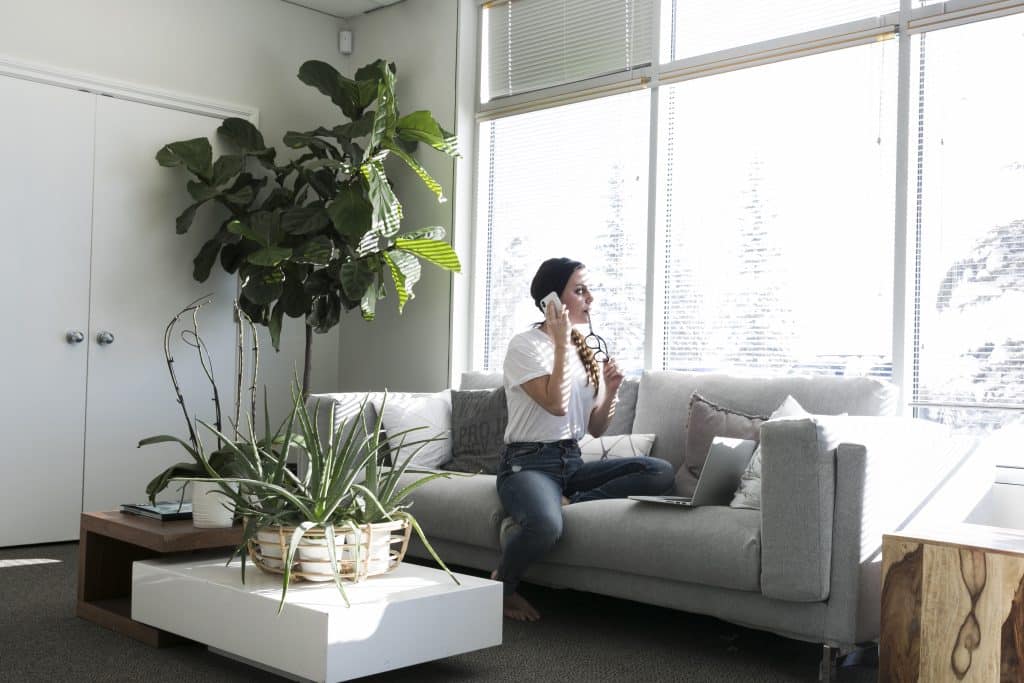
Indoor plants are a great way to enhance the natural beauty of your home and increase the overall brightness of your space. While plants themselves may not increase the amount of light entering the room, they can help reflect and amplify existing light.
How Plants Affect Natural Light
Indoor plants have reflective properties, especially those with shiny, waxy leaves that can bounce light back into the room. In addition, plants placed near windows or in sunny spots create a more inviting atmosphere by adding color and life to your home.
Benefits of Adding Indoor Plants
- Increased light reflection: Plants with glossy leaves can help reflect light throughout the room.
- Aesthetic appeal: Adding greenery brings vibrancy to your home, making the space feel more alive and connected to nature.
- Air quality improvement: Many indoor plants help purify the air, creating a healthier environment that enhances well-being.
Design Tips:
- Choose low-maintenance plants like succulents, snake plants, or pothos that thrive in low light but still benefit from available natural light.
- Position plants near windows to help them absorb natural light and reflect it into the room.
- Use mirrored plant pots or metal planters to add an extra layer of reflection and increase brightness.
6. Create Reflective Surfaces with Mirrors and Metallic Finishes
Mirrors and metallic surfaces are excellent tools for boosting natural light in a space. By incorporating reflective elements, you can increase light flow and enhance the sense of openness in your home.
How Mirrors and Metallic Finishes Work
Mirrors reflect natural light, allowing it to bounce around the room and create a brighter, more expansive feel. Similarly, metallic finishes on furniture, light fixtures, or decor pieces help amplify the light in the room.
Benefits of Mirrors and Metallic Finishes
- Light reflection: Mirrors and metallic surfaces help reflect and amplify natural light, brightening the room.
- Visual expansion: Mirrors make a room feel larger and more open, especially in smaller spaces.
- Stylish accents: Reflective surfaces add a touch of glamour and sophistication to your home decor.
Design Tips:
- Place large mirrors opposite windows or in areas where light naturally enters, such as entryways or hallways.
- Incorporate metallic accents in furniture, decor, and light fixtures to add a touch of shine and increase reflection.
Conclusion
Incorporating natural light into your interior design not only makes your home feel more spacious and inviting but also contributes to your overall well-being. By embracing open layouts, using light-reflecting colors, and strategically adding transparent materials, you can enhance the natural light in your home. Additionally, optimizing window treatments, adding plants, and incorporating reflective surfaces will help amplify the light and create a bright, airy environment.
By adopting these interior design ideas, you’ll not only increase the natural light in your home but also create a space that feels open, comfortable, and visually appealing. Whether you’re renovating a small apartment or designing a spacious living area, the power of natural light should never be underestimated.
References
- Biophilic Design Elements- https://www.ceebeedesignstudio.com
- Maximizing Window Spaces- https://www.panda-windows.com
- Smart Lighting Solutions- https://www.hevilite.com

 Fitness Routines That Support Weight Management