You Can Transform Any Small Yard Into a Relaxing Oasis
Isabella Rossi September 24, 2025
Discover inspiring ideas and practical tips for turning any small yard into a lush, peaceful backyard retreat. Explore creative landscaping, clever privacy solutions, and easy-to-maintain greenery to maximize your outdoor space and boost daily well-being.
Maximizing Space With Clever Landscaping
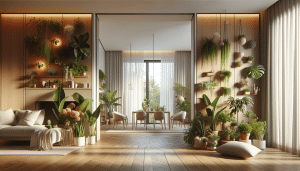
Transforming a small yard begins by making thoughtful landscaping decisions. Utilize vertical gardening techniques to dramatically expand your greenery without needing more ground space. Vertical planters, hanging baskets, and trellises give climbing plants like ivy or jasmine room to grow upward, covering fences or walls and adding vital lushness. Layered garden beds and staggered plant heights not only create variety, but also give even the tiniest yard visual depth. Consider incorporating container gardens to make use of patios, decks, and narrow walkways. This approach delivers color and texture at different eye levels and helps make your outdoor area feel rich and vibrant. Maximizing every inch is about strategic placement rather than crowding, and selecting multi-functional plants can offer privacy, shade, and beautiful blooms all year.
Color plays a powerful role in establishing atmosphere. Choosing a cohesive palette for your plants, pots, and furnishings can make a small area appear more expansive. Blues and purples are known to visually recede, giving the illusion of more distance, while pops of bright flowers like petunias draw attention to focal points. Pathways, stepping stones, and ground covers organize movement, encouraging visitors to linger and explore. Even the use of gravel or bark mulch can visually frame spaces and prevent the outdoor area from feeling cluttered. For those who want year-round appeal, evergreen shrubs or perennial herbs provide constant greenery with minimal upkeep, supporting both aesthetics and practicality.
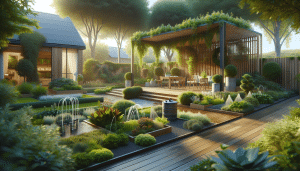
Mirrors, water features, and affordable lighting can further extend the boundaries. A strategically placed outdoor mirror reflects light and garden views, doubling perceived size and brightness. Small fountains or bubbling containers introduce tranquil sounds, creating the sense of a retreat right outside your door. Solar-powered lanterns or string lights can outline garden features and give the yard a warm glow after sunset, making your outdoor oasis feel welcoming long into the evening.
Innovative Privacy Solutions for Tranquility
Privacy is often lacking in small urban backyards, but inventive approaches can make a world of difference. Living walls of bamboo, arborvitae, or fast-growing grasses function as soft natural screens. Installing lattice panels allows for climbing vines to thrive, or for integrating container planters at varying heights, providing both coverage and lush visual interest. These screens are simple to install and can be moved to suit different seasons or layouts, giving flexibility as your needs change.
Repurposed materials such as reclaimed wood or decorative metal panels can be used to craft unique privacy partitions. Painting them in soothing neutrals or natural greens allows them to blend seamlessly into the landscape. Combining solid panels with translucent ones, or staggering open sections, filters light while preserving airflow. For those preferring a softer touch, tall ornamental grasses or compact hedges establish cozy barriers without the feeling of enclosure. Layering greenery in front of hard barriers softens their appearance and adds sound dampening, resulting in greater comfort and serenity.
Easily adaptable shade solutions such as pergolas, fabric canopies, and outdoor curtains can protect against prying eyes while also providing relief from midday sun. These options are ideal for renters or anyone seeking a non-permanent fixture. Seasonal flowering vines such as clematis or morning glory can quickly grow over a trellis or pergola, combining beauty with utility. Ultimately, a thoughtfully designed private corner amid your backyard oasis can dramatically improve your enjoyment, making it your personal escape from city noise.
Choosing Low-Maintenance Greenery for Lasting Beauty
Managing a vibrant small yard shouldn’t require endless time or effort. Opting for drought-tolerant and easy-care plant varieties keeps your oasis looking fresh with minimal intervention. Native plants are increasingly popular, as they are adapted to thrive with local rainfall and soil, minimizing the need for supplemental watering and fertilizers. Succulents, sedums, and certain ornamental grasses suit smaller plots and deliver varied forms and textures. Perennials such as lavender, salvia, and daylilies return each year, reducing annual planting costs and labor time.
Layering mulch or ground covers like creeping thyme helps retain soil moisture and suppress weed growth. This not only cuts routine weeding but also keeps plant roots cool in summer and insulated in winter. When selecting shrubs or small trees, focus on slow-growing cultivars that maintain their size without frequent trimming. Raised planter boxes can assist with drainage and make garden chores like pruning or harvesting herbs more accessible.
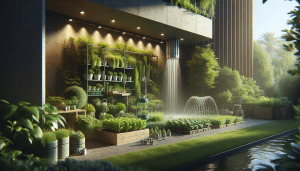
Integrated drip irrigation systems deliver water efficiently right to plant roots, saving both time and resources. If you want to add edible plants, compact bush herbs and vegetables like chives, cherry tomatoes, and peppers are ideal for pots or small patches. This practical combination of beauty and function means your outdoor area remains flourishing and inviting, while upkeep stays comfortably within reach for busy schedules.
Incorporating Relaxation Zones and Outdoor Living
A small yard can easily become a haven for relaxation with the right zoning. Assign cozy nooks for meditation, reading, or quiet conversation by using weatherproof outdoor furniture. Foldable bistro sets and modular benches fit snugly into corners or along pathways, making the most of tight spaces. Bringing indoor comforts outdoors—such as throw pillows, rugs, or even outdoor ottomans—invites lingering. If space allows, a hammock or hanging chair creates a suspended retreat, swaying gently amid the greenery.
Defining separate areas with different flooring—like decking, gravel, or classic brick—signals varied uses within a small yard. Portable fire pits add warmth and serve as natural gathering points, even as seasons change. For those with more ambition, a compact built-in barbecue or a small herb garden next to an outdoor dining table encourages alfresco meals and healthy snacks. Container gardens can create edible borders between relaxation and planting zones, providing fresh flavors within arm’s reach.
Water features, from minimalist tabletop fountains to recirculating bubbling stones, inject a soothing ambiance into a small space. Birds and pollinators will appreciate these additions as much as humans. Just a small seating area near gentle water sounds can reduce daily stress and promote mindfulness. Thoughtful design, even in a petite yard, means everyone can enjoy a sanctuary that feels spacious and tailored to relaxation, entertainment, and rejuvenation.
Sustainable Choices for Eco-Friendly Yards
Caring for the environment and creating an oasis go hand in hand. Sustainable landscaping practices start with avoiding harsh chemical fertilizers and pesticides. Organic compost—created at home or sourced locally—builds healthy soil and supports robust plant growth. Permeable ground surfaces such as gravel, mulch, or interlocking pavers allow rainwater to soak into the earth, reducing runoff and naturally recharging groundwater. Choosing native plants reduces water and fertilizer use, as they thrive in local conditions and foster beneficial insects and pollinators.
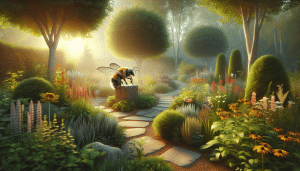
Rain gardens, which are shallow depressions planted with water-absorbing native species, harness roof runoff and mitigate flooding risk. Installing a simple rain barrel to collect water from downspouts further decreases dependence on municipal supply. Composting kitchen scraps and seasonal trimmings produces nutrient-rich amendments for soil and cuts the volume of landfill waste. Eco-friendly yards attract birds, butterflies, and bees—enhancing the sensory appeal while supporting biodiversity.
Solar lighting, energy-efficient garden tools, and recycled materials contribute to sustainable outdoor living. Upcycled containers, salvaged stones, and reclaimed wood lend personality and eco-conscious flair to garden projects. A sustainable small yard is more than just a pretty face; it’s a living system that refreshes itself, brings joy to its caretakers, and respects local ecosystems.
Seasonal Adaptations for Year-Round Enjoyment
To make a small yard an enduring oasis, consider seasonal changes. Early spring might highlight bulbs and hardy evergreens, setting the stage for later blooms. In summer, annuals and perennials reach their peak, providing a riot of texture. Potted herbs and vegetables are at their most productive and can be moved to catch the sun or provide scented borders near seating areas. Autumn’s crisp air invites ornamental grasses, asters, and fall-flowering perennials to shine, while evergreens and winterberry holly keep the landscape lively during colder months.
Switching out removable décor—like rugs, cushions, or planters—helps keep the outdoor area current and inviting each season. Lightweight shade structures or retractable awnings can provide relief in peak summer, then be tucked away to capture winter light. Adding a few weatherproof accessories infuses warmth and style, making it easy to spend more time outside, regardless of the calendar.
Regular pruning, mulching, and seasonal planting maintain a tidy appearance. When weather permits, investing time in the garden offers mental and physical rewards. Each season brings a fresh opportunity to experiment, learn, and optimize your outdoor experience, ensuring your small oasis continuously matches your evolving needs and lifestyle.
References
1. University of Florida IFAS Extension. (n.d.). Vertical gardening: Maximizing space. Retrieved from https://gardeningsolutions.ifas.ufl.edu/care/design/vertical-gardening.html
2. Garden.org. (n.d.). Small yard landscaping ideas. Retrieved from https://garden.org/learn/articles/view/3872/
3. Lady Bird Johnson Wildflower Center. (n.d.). Native plant gardening. Retrieved from https://www.wildflower.org/learn/native-plant-gardening-basics
4. Audubon. (n.d.). Creating bird-friendly yards. Retrieved from https://www.audubon.org/content/creating-bird-friendly-yards
5. EPA. (n.d.). Water-Efficient Landscaping. Retrieved from https://www.epa.gov/watersense/water-efficient-landscaping
6. University of Minnesota Extension. (n.d.). Sustainable landscapes: Designing for the environment and people. Retrieved from https://extension.umn.edu/landscape-design/sustainable-landscapes

 Are Online Degrees Trusted and How Do They Impact Careers