Unlock Space and Comfort by Transforming Your Small Backyard
Isabella Rossi September 25, 2025
Explore creative ways to maximize a small backyard with landscaping tips, layout ideas, hardscape options, and sustainable garden strategies. This engaging guide uncovers smart uses of outdoor storage, modern design principles, and easy upkeep practices for small outdoor spaces.
Maximizing Small Backyard Layouts
Many homeowners face challenges when trying to make a small backyard feel larger and more functional. With a smart layout, even a compact outdoor space can be transformed into a relaxing retreat or a host’s dream venue. Zoning different areas—such as a cozy seating nook, a compact vegetable patch, and a play corner—creates structure and flow without overwhelming the senses. The trick is to use vertical garden structures, layered plantings, and multi-purpose furniture so that every inch is put to good use.
Folding chairs, stackable tables, and built-in planters create flexible spaces for both entertainment and quiet weekends. Place taller features along the borders to add depth, while low-profile plants or pathways stay near the center. This approach increases the sense of openness. Using symmetrical patterns or strategic curves in pathways also leads the eye across the yard, making the area appear wider than it truly is. Design choices like these are core principles in modern landscaping for compact settings.
Since natural light can be limited by fences or adjacent structures, think about adding reflective surfaces. Mirrors, light-colored walls, or water features help bounce sunshine, brightening shaded corners. Incorporate outdoor lighting with string lights or solar lanterns to carry the welcoming vibe into evening gatherings. A well-lit, versatile layout not only boosts usability but can also positively influence the property value of any home with a small backyard (Source: https://www.bhg.com/home-improvement/yard/small-backyard-ideas/).
Choosing Compact and Functional Outdoor Furniture
Space-saving outdoor furniture is essential for transforming small yards into practical oases. Opt for benches with built-in storage, foldaway chairs, and nesting tables—these pieces deliver comfort without crowding. Selecting furniture in lighter hues or with slim profiles allows natural movement and visually enlarges the area. Weather-resistant materials like powder-coated steel or teak hold up well, requiring less maintenance.
Consider dual-purpose designs that function for multiple needs. An ottoman that serves as both seating and a table, or a storage bench that hides gardening gear, will streamline your setup. Modular seating can be rearranged for solo relaxation or hosting friends. These flexible solutions make small outdoor spaces both attractive and functional, helping residents tailor their yard to changing purposes with ease and style.
Mimic the sleek look of indoor living by incorporating rugs, throw pillows, and compact side tables intended for outdoor use. Layering textures, such as wicker with metal or wood with soft linens, adds a cozy yet organized effect. Regularly maintaining and cleaning furniture extends its life and preserves the fresh vibe of the backyard retreat, ensuring a welcoming environment for years to come (Source: https://www.gardendesign.com/furniture/small-spaces.html).
Creative Landscaping for Small Yards
Clever landscaping can unlock enormous potential in yards with limited square footage. Raised beds along fences or in corners frame usable space and offer ideal soil conditions for flowers and vegetables. Climbing plants on trellises add height and privacy, transforming bland boundaries into lush, vertical displays. Ground cover selections, like creeping thyme or dwarf mondo grass, provide greenery where full turf isn’t practical and reduce long-term upkeep.
Choose native shrubs and perennials that need less water and thrive with little fuss. Incorporating edible landscapes—herbs, strawberries, or salad greens—maximizes utility and can be highly rewarding for gardeners of all skill levels. Sprinkling in seasonal bulbs ensures splashes of color across the months, keeping compact yards visually engaging and vibrant. Using gravel paths or small patio pavers tones down maintenance needs and gives the illusion of a more expansive garden.
Visual continuity can be achieved by limiting the palette to two or three main colors in both plants and hardscape materials. This helps small backyards feel cohesive rather than cluttered. Integrate planters at varying heights for additional dimension. Layering foliage textures enhances privacy, screens out noise, and delivers a soothing outdoor sanctuary even when space is in short supply (Source: https://extension.uga.edu/publications/detail.html?number=C943).
Hardscaping and Low-Maintenance Solutions
Incorporating hardscaping—permanent features such as patios, walkways, or retaining walls—simplifies yard care and ensures year-round usability. Choose permeable pavers or composite decking to strike a balance between looks and sustainability. Small gravel seating circles or paved courtyards define zones for dining or relaxation and require very little upkeep after installation. These installations are also suitable for container gardens and potted trees, which add color and flexibility.
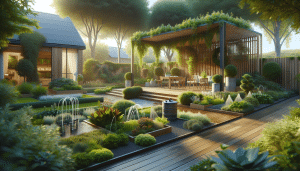
Add raised stone beds or seat walls that do double duty: support plantings and offer extra seating for guests. Borders constructed from brick, stone, or recycled materials can help contain plant roots, prevent runoff, and frame lawn space in geometric patterns. Hardscaping does not have to be grand; even a modest gravel path or wooden plank walkway can refresh the look and feel of a small outdoor area. Consider installing a rain chain or a compact water feature for tranquil atmospheres and improved drainage.
Reduce hassle by grouping plants with similar sunlight and water requirements. This approach eases irrigation and ensures healthy growth. A layer of mulch helps lock in soil moisture, deters weeds, and gives a neat appearance. These practical methods align with the current trend of sustainable gardening and allow even busy homeowners to enjoy an inviting backyard year-round (Source: https://www.epa.gov/soakuptherain/soak-rain-rain-gardens).
Sustainable Gardening Practices for Small Spaces
Adopting sustainable practices turns any backyard into an environmentally friendly retreat. Drip irrigation systems deliver water right to plant roots, conserving water compared to sprinklers. Compost bins—compact enough for even small yards—provide ongoing nutrients for beds and veggie patches. Phase out chemical fertilizers in favor of organic mulch and natural pest control methods, reducing potential harm to pollinators and native fauna.
Planting drought-tolerant or native varieties cuts down on ongoing resource use and increases habitat for beneficial insects. Small trees or shrubs also offer shade, providing a more comfortable microclimate during hot months. Solar-powered garden lights or water features help reduce energy bills while keeping the yard beautiful after dark. Implementing these green tactics makes it easier for homeowners to care for gardens while respecting the local environment.
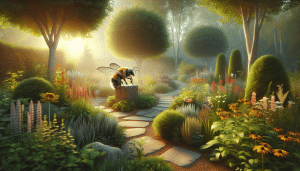
Encourage biodiversity by mixing flowering species that bloom at different times of year. Pollinator-friendly varieties bring bees and butterflies, boosting fruit and flower production. Rotate planters’ positions to foster even soil fertility. Over time, sustainable habits nurture a balanced backyard ecosystem and make compact gardens more resilient (Source: https://www.nwf.org/Garden-for-Wildlife/About/National-Initiative).
Outdoor Storage Solutions that Save Space
Outdoor clutter quickly fills up a small backyard, so smart storage is vital. Weatherproof storage benches can house tools, children’s toys, or extra cushions. Vertical shelving attached to fences utilizes unused wall space for pots, watering cans, or garden decor. Garden sheds designed for tight spaces—sometimes less than three feet deep—keep equipment handy without taking over the yard.
Multi-use planters with socket shelves, hooks for hanging baskets, or stackable planter boxes maximize plant capacity. Wall-mounted racks or slim cabinets behind doors are ideal for lightweight supplies or grilling gear. Opt for storage that blends in with landscaping—natural wood tones or painted finishes in garden hues—for a seamless, uncluttered look.
Organized storage helps keep outdoor living stress-free and sets the stage for regular enjoyment of the space. Label containers by season or function for easy access, and regularly downsize unused items. With a dedicated place for everything, maintaining order in a small backyard is simple, welcoming, and sustainable (Source: https://www.familyhandyman.com/project/small-space-storage-solutions/).
References
1. Better Homes & Gardens. (n.d.). Small Backyard Landscaping Ideas. Retrieved from https://www.bhg.com/home-improvement/yard/small-backyard-ideas/
2. Garden Design. (n.d.). Small Space Outdoor Furniture. Retrieved from https://www.gardendesign.com/furniture/small-spaces.html
3. University of Georgia Extension. (n.d.). Landscaping Small Areas. Retrieved from https://extension.uga.edu/publications/detail.html?number=C943
4. US EPA. (n.d.). Soak Up the Rain: Rain Gardens. Retrieved from https://www.epa.gov/soakuptherain/soak-rain-rain-gardens
5. National Wildlife Federation. (n.d.). Garden for Wildlife: National Initiative. Retrieved from https://www.nwf.org/Garden-for-Wildlife/About/National-Initiative
6. Family Handyman. (n.d.). 25 Small Space Storage Solutions. Retrieved from https://www.familyhandyman.com/project/small-space-storage-solutions/

 Why Media Literacy Matters More Than Ever for You