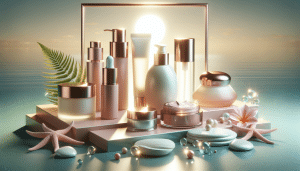
Secrets to Glowing Skin You Never Expected
Sofia Alvarez September 27, 2025
Unlock radiant, glowing skin with practical wellness routines and beauty science. This guide explores expert-backed skincare tips, nutrition benefits, gentle exfoliation, hydration, sun protection, and natural ingredients—all integrated for everyday beauty seekers. Dive into habits that can transform your complexion and confidence.
The Science Behind Glowing Skin
Healthy skin radiates with a natural glow that goes beyond cosmetics. This comes from balanced hydration, well-supported skin structure, and the right mix of nutrients. Dermatologists emphasize the role of skin barrier repair, cellular renewal, and antioxidants in beauty. Those seeking clear complexion often explore gentle, active skincare and lifestyle tweaks tailored to support the skin’s unique needs. It’s not just genetics—these visible improvements are accessible with daily choices.
When skin cells renew efficiently, the outer layer sheds dull buildup, revealing smoother, more luminous skin. Factors like pollution, stress, poor sleep, and harsh cleansers can dull this process. Even mild dehydration can affect skin tone and elasticity. Embracing a routine that combines protection, mild exfoliation, and regular moisture can help revive radiance in even the most tired complexions. Modern research continues to link lifestyle and environmental factors to skin vibrancy and health.
Glow is also influenced by your gut and nutrition. Studies suggest antioxidants from fruits, vegetables, and even green tea protect against environmental stressors leading to redness or dryness (Source: https://www.ncbi.nlm.nih.gov/pmc/articles/PMC3583891/). Simple, consistent skincare, a balanced diet, and avoiding damaging habits form the foundation of youthful, glowing skin—no complex secrets needed.
Essential Skincare Habits for Everyday Glow
Great skin isn’t built in a day, but daily routines make a difference. Cleansing twice daily with a gentle, sulfate-free cleanser can help remove excess oil, environmental debris, and makeup. This step maintains your skin’s pH and allows follow-up products to work better. Many skincare professionals recommend incorporating a moisturizing facial serum containing hyaluronic acid for daily hydration. Avoiding harsh scrubbing is key for protecting your natural barrier and avoiding irritation.
Layering products correctly enhances their effectiveness. For example, starting with water-based serums and following up with richer, oil-based creams helps keep moisture locked in. Integrating a vitamin C serum or a niacinamide solution in your morning regimen can reduce redness, even skin tone, and soften the appearance of fine lines. Routine face massage during product application can improve circulation, which brings more oxygen and nutrients to skin cells for a natural radiance.
Consistency is more important than complexity. Sticking to a simple three or four step routine is sustainable and less likely to cause breakouts or irritation. Experts strongly suggest pairing daily sunscreen with these routines to shield against UV damage that leads to dullness and premature lines (Source: https://www.aad.org/public/everyday-care/sun-protection/sunscreen/how-to-apply). Choosing fragrance-free products further reduces sensitivity risk, helping all skin types maintain their best glow.
The Power of Hydration and Nutrition for Your Skin
Drinking enough water each day is often underestimated in skincare, but its benefits extend beyond thirst. Hydration supports skin elasticity, clarity, and smoothness, preventing dryness that masks natural radiance. Aim for regular sips throughout the day—many notice improved suppleness with as little as an extra glass or two of water daily. Adding hydrating foods like cucumber, watermelon, and oranges supports skin from within, too, delivering needed vitamins and minerals along the way.
Certain foods deliver specific skin benefits. Omega-3-rich sources like salmon, flaxseed, and walnuts support the lipid barrier, leading to smoother and less flaky skin. Antioxidants in berries and leafy greens help defend against environmental damage and photo-aging. Some research even connects the Mediterranean diet—rich in olive oil, vegetables, and fish—to fewer signs of dryness and better overall skin appearance (Source: https://www.hsph.harvard.edu/nutritionsource/healthy-weight/diet-reviews/mediterranean-diet/).
Supplements are sometimes sought for extra support, but experts recommend prioritizing whole foods for vitamins A, C, D, and E. These contribute to skin repair and defense. For those considering a supplement, it’s helpful to consult a healthcare provider about vitamin D in particular, since it impacts both skin and bone health. Staying mindful of processed food and sugar also helps minimize inflammation that can trigger breakouts or worsen redness.
Gentle Exfoliation and How It Boosts Luminosity
Exfoliation plays a unique role in any beauty routine aimed at glowing skin. Removing dead skin cells allows other products to absorb effectively and speeds up skin renewal. Rather than aggressive scrubbing, dermatologists recommend gentle chemical exfoliants like lactic acid, glycolic acid, or enzyme-based solutions. These options dissolve dead skin without abrasives, minimizing microtears or barrier disruption. Seeking formulas suitable for your skin type helps avoid irritation, especially if exfoliating more than once weekly.
The frequency of exfoliation should be tailored to individual needs—a universal rule does not exist. Oily or combination skin benefits from up to three times per week, while dry and sensitive types often see results with once-weekly treatment. Over-exfoliation risks dryness, redness, and sensitivity, which can actually dull the complexion and weaken your moisture barrier. Listening to your skin’s feedback is essential, making gradual adjustments and pausing at signs of irritation.
Combining a gentle exfoliant with soothing and hydrating products restores brightness without stripping skin. Consider following up any exfoliation with a calming moisturizer containing ceramides or squalane. Using sun protection after exfoliating is especially important because fresh skin is more prone to UV injury (Source: https://www.skincancer.org/healthy-lifestyle/skin-care-products/exfoliation-and-sunsafety/). The right balance makes a noticeable difference in texture, tone, and radiance.
Sun Protection for Lasting Beauty
One proven way to maintain vibrant skin is consistent sun protection. Much like an invisible shield, broad-spectrum sunscreen guards against UVA and UVB rays which cause premature aging and discoloration. Even short periods of sun exposure can trigger pigment changes, dryness, and fine lines. Specialists stress daily sunscreen, regardless of weather, as a cornerstone of any routine focused on youthful skin.
When choosing sun protection, prefer SPF 30 or higher with both chemical and mineral filters. These are effective for most skin tones and can be applied under makeup without feeling heavy or greasy. Reapplication throughout the day further safeguards against UV-induced skin damage. For people with outdoor lifestyles, wearing wide-brim hats and UV-blocking sunglasses is equally important in preserving the skin’s healthy glow.
Sun-safe practices help prevent common issues like dark spots, uneven tone, and accelerated aging. Researchers highlight sun exposure as a leading cause of reduced skin elasticity and long-term wrinkling (Source: https://www.cdc.gov/cancer/skin/basic_info/sun-safety.htm). The habit of daily protection supports glowing and resilient skin for years to come, delivering visible results with minimal extra effort.
Natural Ingredients for Radiant Skin
Many beauty enthusiasts seek natural ingredients to enhance skin glow, drawn to familiar names like aloe vera, green tea, and licorice root. These botanicals offer antioxidants and soothing properties, ideal for calming sensitive skin and brightening dullness. Scientific reviews support the benefits of vitamin-rich plant extracts in reducing inflammation and supporting healing (Source: https://ods.od.nih.gov/factsheets/BotanicalBackground-Consumer/).
It’s important to test new ingredients on a small patch of skin before full application, as natural does not always equal non-irritating. Rosehip oil, for example, delivers both vitamin C and essential fatty acids, supporting skin’s recovery after sun or wind exposure. Honey and oatmeal remain popular for their mild antibacterial and moisturizing effects, making them frequent choices in at-home masks and cleansers.
Combining natural ingredients with scientific skincare methods amplifies their collective benefits. Mixing a green tea serum with a mild retinol or pairing aloe with niacinamide can deliver enhanced glow while soothing any potential irritation. Ultimately, successful incorporation of botanicals reflects the broader principle—skin loves a balanced, well-supported routine.
References
1. Draelos, Z. D. (2014). The science behind skin care: cleansing. Dermatologic Clinics, 32(2), 129–132. https://www.ncbi.nlm.nih.gov/pmc/articles/PMC3583891/
2. American Academy of Dermatology Association. (n.d.). How to apply sunscreen. https://www.aad.org/public/everyday-care/sun-protection/sunscreen/how-to-apply
3. Harvard T.H. Chan School of Public Health. (n.d.). Mediterranean diet. https://www.hsph.harvard.edu/nutritionsource/healthy-weight/diet-reviews/mediterranean-diet/
4. Skin Cancer Foundation. (2021). Exfoliation and sun safety. https://www.skincancer.org/healthy-lifestyle/skin-care-products/exfoliation-and-sunsafety/
5. Centers for Disease Control and Prevention. (2022). Sun Safety. https://www.cdc.gov/cancer/skin/basic_info/sun-safety.htm
6. National Institutes of Health. (2022). Botanical dietary supplements: background information. https://ods.od.nih.gov/factsheets/BotanicalBackground-Consumer/

 You Might Find Surprising Paths in Lifelong Learning