You Won’t Believe These Indoor Plant Benefits
Isabella Rossi September 27, 2025
Curious about making your space greener? Discover the surprising benefits indoor plants bring to your home environment, from boosting air quality to improving mood. Dive in and explore how small green changes can have a big impact on daily living.
The Science Behind Indoor Plants and Air Quality
Many people are surprised to learn that the benefits of indoor plants extend well beyond aesthetics. Recent scientific studies have established that plants can actively support healthier indoor environments by filtering out airborne toxins like formaldehyde, benzene, and trichloroethylene from household products. Through the natural process of photosynthesis, greenery helps remove pollutants and increase oxygen, creating a fresher, cleaner living space. Integrating indoor plants can create subtle but important shifts in the air you breathe every day. This is a major reason why plant care has become such a popular aspect of home wellness trends (Source: https://www.nasa.gov/feature/clean-air-study).
Expanding research from organizations like NASA highlights which specific plant varieties are best at combating common indoor pollutants. For instance, peace lilies and spider plants have been shown to absorb volatile organic compounds (VOCs) efficiently, supporting overall respiratory health. This scientific backing encourages more homeowners and renters alike to experiment with various flora. Even modest additions—such as a trio of potted snake plants—can make measurable changes in enclosed rooms.
While the extent of air purification varies based on factors such as plant size and number, consistently caring for greenery contributes to better indoor air quality. It’s an ongoing process rather than a quick fix. Houseplants act in harmony with other practices like ventilation and regular cleaning to keep your environment fresh. These findings can motivate anyone looking for simple, natural ways to optimize home wellness.
Indoor Plants and Stress Reduction: Natural Calm at Home
Beyond purifying air, indoor plants are proven champions for stress reduction and emotional balance. Multiple peer-reviewed studies suggest that just the presence of greenery can lower heart rate and blood pressure, fostering feelings of tranquility and ease. Engaging with plants—such as watering or gently pruning—serves as a mindful activity, redirecting focus from digital distractions or daily worries. The calming effect of indoor greenery supports mental clarity and can be a welcome reprieve amid fast-paced routines (Source: https://www.ncbi.nlm.nih.gov/pmc/articles/PMC4419447/).
Mental health experts note that surrounding yourself with natural elements enhances mood and cognitive function. Plants also act as informal wellness reminders, encouraging consistent self-care. Many people report that their homes feel more peaceful, balanced, and inviting after adding indoor plants—even with limited time for upkeep. These small rituals of caring connect you with living things and remind you to slow down during stressful times.
Greenery’s impact reaches all types of living spaces, from studios to multi-family homes. Studies from university research departments have found that even limited exposure—to desk plants, for example—can reduce perceived stress. This is especially important in urban or high-density homes, where nature isn’t always at arm’s reach. Indoor plants create pockets of calm even in the busiest corners.
Most Popular Indoor Plants for Every Lifestyle
With countless types of indoor plants available, selecting the right options for your lifestyle and home can feel overwhelming. Hardy varieties such as pothos, snake plants, and ZZ plants are favorites among busy individuals or those just beginning their plant journey. These species thrive with minimal care and adapt to a range of lighting conditions, making them ideal choices for diverse households.
For those who enjoy interactive gardening or have access to sunlit rooms, flowering houseplants like African violets or peace lilies can add color and vitality. Others may gravitate toward succulents or cacti, which require less frequent watering and suit smaller apartments or office desks. Each type brings its own aesthetic and benefits, allowing for plenty of personal expression in both arrangement and care routines.
Accessibility is key: Many local nurseries, garden centers, and even online retailers carry vast selections of pet-safe or allergy-friendly plants. Reading labels, asking staff, or consulting reliable online resources can help individuals find species tailored to their space. This variety supports the growing trend of infusing home décor with practical, health-enhancing greenery.
Easy Plant Care Tips for Thriving Green Spaces
Caring for indoor plants can fit seamlessly into busy schedules when guided by a few practical tips. Light, water, and soil are the key pillars for plant health. Most varieties thrive with consistent—but not excessive—watering and occasional fertilization. Placing plants near windows or under grow lights can compensate for limited sunlight, especially during winter months (Source: https://hgic.clemson.edu/factsheet/care-of-indoor-plants/).
Techniques such as bottom watering, gentle pruning, and monitoring for pests ensure growth and vibrancy. It’s often best to group plants by similar needs—such as moisture or sunlight—making daily care more efficient. Investing in self-watering pots or humidity trays streamlines maintenance, especially for households juggling multiple responsibilities.
Keeping track of schedules by using plant care apps or simple care charts can help prevent common issues like overwatering or nutrient depletion. Regular care builds confidence for beginners, while more advanced techniques, such as propagating cuttings, foster ongoing engagement for experienced gardeners. With a little patience and experimentation, anyone can cultivate a thriving green haven at home.
Enhancing Home Value and Aesthetics With Plants
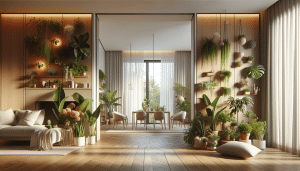
Homeowners and renters alike are discovering how indoor plants can elevate both the look and feel of their space. Stylish planters, hanging gardens, and vertical plant walls are all creative ways to showcase greenery. These arrangements draw the eye, highlighting architectural features and softening harsh lines in contemporary interiors. Many interior designers advocate for the use of plants to bring balance and warmth to any room.
Beyond aesthetics, studies suggest that well-placed plants can create a sense of spaciousness and light, making homes more inviting to both residents and visitors. Incorporating plant-filled spaces can also have practical benefits, such as providing a degree of privacy, reducing noise, and improving humidity balance. These subtle improvements collectively contribute to an environment that feels both healthy and welcoming (Source: https://www.apartmenttherapy.com/best-indoor-plants-262463).
Indoor plants may even add perceived value when selling or renting a home. Real estate professionals note that spaces with vibrant, healthy greenery are often more appealing in listings and open houses. These positive visual cues, coupled with the wellness benefits of nature, create lasting impressions that go far beyond simple decoration.
Overcoming Common Indoor Plant Challenges
While indoor plants offer many rewards, there are challenges that can arise, especially for beginners. Overwatering is one of the most common pitfalls, often leading to root rot or yellowing leaves. Using pots with drainage holes and well-aerated soil mixes can mitigate this risk. Watching for signs of pests—such as webbing or tiny spots—is also essential for keeping collections healthy (Source: https://extension.psu.edu/common-indoor-plant-pests).
Seasonal changes bring their own set of issues. Reduced sunlight during the winter months can slow growth, prompting yellow leaves or leggy stems. Rotating plants, moving them closer to windows, or investing in supplemental lighting can offset these effects and maintain their health year-round. Patience is vital, as some plants take time to adjust to changes in light and humidity.
For those with allergies or concerns about pets and children, selecting non-toxic plant varieties and keeping up with regular dusting can alleviate many worries. Community resources—such as local plant groups or online forums—offer support and troubleshooting. Embracing small setbacks as learning opportunities allows everyone to enjoy indoor plant care, regardless of experience level.
References
1. National Aeronautics and Space Administration. (n.d.). Clean Air Study. Retrieved from https://www.nasa.gov/feature/clean-air-study
2. Lee, M.S., Lee, J., Park, B.J., & Miyazaki, Y. (2015). Interaction with indoor plants may reduce psychological and physiological stress by suppressing autonomic nervous system activity in young adults: a randomized crossover study. Retrieved from https://www.ncbi.nlm.nih.gov/pmc/articles/PMC4419447/
3. Clemson Cooperative Extension. (n.d.). Care of Indoor Plants. Retrieved from https://hgic.clemson.edu/factsheet/care-of-indoor-plants/
4. Apartment Therapy. (n.d.). Best Indoor Plants: 9 Houseplants for Healthier, Happier Homes. Retrieved from https://www.apartmenttherapy.com/best-indoor-plants-262463
5. Penn State Extension. (n.d.). Common Indoor Plant Pests. Retrieved from https://extension.psu.edu/common-indoor-plant-pests
6. University of Vermont Extension. (n.d.). Selecting Houseplants. Retrieved from https://www.uvm.edu/sites/default/files/Extension-Community-Horticulture/oh0700houseplants.pdf

 Online Learning Platforms People Trust for Skills Growth