Tiny Space Big Style Secrets You Will Want to Steal
Sofia Alvarez September 27, 2025
Unlock fresh inspiration with tips that make small living spaces look inviting and stylish. Discover clever ways to create comfort, add storage, and reflect your personality in every square foot. This guide blends approachability with creativity and actionable advice for transforming tiny homes or apartments.
Why Small Spaces Demand Big Style Solutions
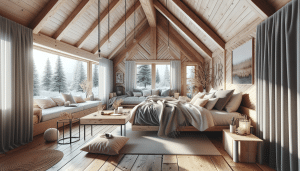
Living in small spaces is more common than ever, with many choosing apartments or tiny houses for practicality, sustainability, or lifestyle reasons. Yet, these compact environments often come with unique challenges, such as limited storage and multifunctional living needs. The good news is, even the tiniest spaces can be transformed with smart design choices. Embracing a blend of functionality and style allows anyone to turn a small living area into a reflection of their aspirations and comfort. By incorporating purposeful design strategies, these homes go from cramped to cozy and chic, maximizing every available corner while supporting an uncluttered lifestyle. Whether it’s using mirrors to visually expand a room or allowing natural light to cascade inside, thoughtful styling decisions create an airy, welcoming feel even in compact quarters. (Source: https://www.huduser.gov/portal/pdredge/pdr-edge-featd-article-101920.html)
Cleverly designed small spaces can drive creative solutions that traditional homes rarely inspire. Adopting multi-use furniture, using wall-mounted storage, and integrating flexible layouts become not just necessary but enjoyable. Limited square footage encourages a selective approach, where homeowners or renters keep only what sparks joy or serves a clear function. This mindful curation often results in a more personalized atmosphere. It emphasizes quality over quantity in both décor and possessions. Studies highlight that streamlined, organized spaces contribute positively to stress reduction and overall happiness, particularly in urban contexts where living spaces are shrinking. (Source: https://www.ncbi.nlm.nih.gov/pmc/articles/PMC6638043/)
Tiny homes and apartments also promote environmental sustainability. Smaller spaces require less energy for heating, cooling, and lighting, reducing utility costs and ecological footprint. Many people find that downsizing allows them to focus on experiences rather than accumulating items. The freedom that comes with a well-styled, clutter-free small environment can be surprising. Imagine coming home to a place where there’s a spot for everything, refreshingly easy to clean, plus bursting with style thanks to creative, intentional design. (Source: https://www.energy.gov/energysaver/energy-efficient-home-design)
Choosing Multifunctional Furniture and Smart Storage
The backbone of small-space style is smart furniture selection. Pieces that offer more than one purpose can multiply usable square footage. Consider a bed with drawers underneath, an ottoman that opens into a storage compartment, or a dining table that folds down when needed. Each item maximizes utility while minimizing clutter. Convertible furniture—like sofa beds or desks that double as shelves—brings flexibility and flow to the space. Recent surveys suggest that investing in multifunctional pieces is one of the biggest game-changers for living stylishly in a compact home. (Source: https://www.hgtv.com/design/remodel/interior-remodel/tiny-house-furniture-and-storage-ideas)
Vertical storage is another key tactic. Walls are prime real estate for shelves, hanging plants, or pegboards that keep workspaces tidy. Using clear or coordinated bins makes it easy to locate everyday items while maintaining a streamlined look. Closets and cabinetry fitted with clever organizers—like shoe racks or pull-out baskets—make even small nooks work overtime. Avoiding visual clutter is critical in small homes. When storage is both beautiful and functional, the room feels expansive and welcoming rather than tight and messy.
For renters or those on tight budgets, even minor tweaks can yield major results. Floating shelves offer display space for books or mementos. Collapsible pieces—like nesting tables—tuck neatly away until needed. Multipurpose furniture and smart storage aren’t just convenient; they encourage creativity, making it rewarding to experiment with layouts and personal accents. Over time, combining utility and design leads to an environment that adapts easily as needs or seasons change.
Creative Decor Tricks to Make Space Feel Bigger
Decor techniques play a powerful role in shaping perceptions of size. Mirrors, for example, are a favorite among designers for their ability to reflect light and create a sense of depth. Positioning a large mirror opposite a window will bounce sunlight around, instantly brightening and visually expanding the room. Strategic use of paint colors, particularly light or neutral tones, also works wonders. They help blur room edges, making walls seem further apart and ceilings higher. The result? A space that feels open and airy despite its dimensions. (Source: https://www.architecturaldigest.com/story/how-to-make-small-room-look-bigger)
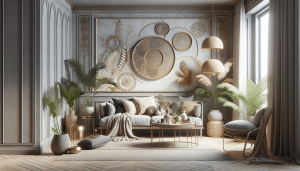
Sheer window dressings can transform the ambiance without sacrificing natural light. Heavy drapes may close off areas, while lighter fabrics blend seamlessly, inviting more sunshine in. Uncluttered window sills and floors enhance movement and visual flow. Opting for a mix of metallic or glass accents, rather than heavy wood, means the eye glides across surfaces, reinforcing spaciousness. Minimalist wall art and open shelving contribute personality without dominating the sight lines. Plants introduce vibrancy and life, playing dual roles as decor and air purifiers, which can be vital in smaller living quarters.
Lighting, often underestimated, shapes the feel of any interior. Layered lighting—combining overhead fixtures, floor lamps, and sconces—lets you control brightness and mood based on time of day or activity. LED strips tucked under cabinets offer subtle glow. Keeping surfaces clear and using translucent furniture or decor, like acrylic tables, prevents visual heaviness. All of these choices add up to a home that feels lively and larger than its square footage suggests.
Personalization and Color: Let Personality Shine
Establishing a sense of personality or mood in a small space is rewarding and doesn’t require excess. Prioritizing favorite colors, motifs, or art builds a unique atmosphere, making each square foot count. Accent walls, whether bold in color or textured with wallpaper, create dynamic focal points. Even a single feature chair, rug, or gallery of photographs can tie a room’s theme together. The key is cohesion—picked patterns, shades, or storylines unite disparate design elements within the limited space.
Color psychology plays a subtle role in how rooms are experienced. Cool shades—like soft blues, greens, or lavenders—evoke relaxation and make areas seem larger. Warm earth tones encourage coziness. Layering shades within one color family, or using complementary but subdued tones, achieves harmony without feeling overwhelming. Decorative touches like throw pillows, baskets, or artwork let homeowners switch up the feel easily without major renovations.
Incorporating personal interests—like travel souvenirs, handmade crafts, or curated book selections—enhances story and warmth. Small spaces naturally draw attention to details, making every decision impactful. Swapping items seasonally, such as adding cozy textiles in winter or bright florals in spring, revitalizes the environment year-round. This approach ensures the home grows alongside its residents, always feeling comfortable yet evolving.
Daily Living Made Easier in Compact Homes
Daily routines can flourish in thoughtfully arranged small spaces. Minimal spaces require less upkeep and encourage mindful habits. Everything from getting dressed to preparing a meal becomes more streamlined when essentials are organized and easy to reach. Kitchens benefit from stackable containers and magnetic knife strips, boosting efficiency and saving precious workspace. Bathrooms optimized with over-the-door racks and slim organizers can accommodate all necessities within arm’s reach.
Establishing zones, even in studio layouts, helps break up functions: a reading nook by a window, a movable divider to separate work from rest, or folding screens for quick privacy. Well-defined areas bring order to open plans, supporting relaxation and productivity. Smart home technology also plays a role, with compact wireless speakers, lighting controls, and modular storage integrating seamlessly into small environments. The result is a home that’s both functional and enjoyable, perfectly suited to contemporary lifestyles.
Living in a compact space often inspires simplicity, contentment, and community. With less room to accumulate items, many report feeling lighter—both physically and mentally. Entertaining friends becomes easier when focus shifts from size to atmosphere and company. Multifunctional layouts even let homeowners easily host overnight guests or create pop-up workspaces. By optimizing storage, layout, and daily systems, living small means living well, not missing out.
When to Seek Professional Input and Design Inspiration
Sometimes, transforming a challenging area benefits from expert advice. Interior designers, space planners, or even online workshops can reveal overlooked solutions for tricky layouts. These professionals spot opportunities for built-in storage, creative color palettes, or unexpected room layouts that DIY efforts might miss. For those on a budget, many design blogs and educational resources offer free or low-cost tips supplemented with practical visuals.
Technology has democratized interior design. Virtual staging apps and online forums let residents experiment with layout ideas before committing. Social media platforms—like Pinterest or home-related subreddits—feature endless real-life examples from tiny apartments and houses worldwide. Peer advice, before-and-after photos, and critiques provide confidence and inspiration. When exploring these, always consider your true lifestyle, needs, and local options for furnishings or storage solutions.
If tackling a complete overhaul feels daunting, start with one area: a corner, a shelf, or a single color swap. Gradual changes add up. Even a small improvement boosts mood and encourages future progress. Ultimately, the best style is one that feels right, matches the rhythm of daily life, and brings joy. Design is always evolving—and small-space solutions evolve, too. Stay curious, keep experimenting, and adapt as your life shifts.
References
1. U.S. Department of Housing and Urban Development. (2020). The Evolution of Small Space Living. Retrieved from https://www.huduser.gov/portal/pdredge/pdr-edge-featd-article-101920.html
2. Lee, S.Y. & Jang, H. (2019). Effects of Organized Home Environments on Psychological Wellbeing. International Journal of Environmental Research and Public Health, 16(15), 2696. Retrieved from https://www.ncbi.nlm.nih.gov/pmc/articles/PMC6638043/
3. U.S. Department of Energy. (n.d). Energy Efficient Home Design. Retrieved from https://www.energy.gov/energysaver/energy-efficient-home-design
4. HGTV Editors. (n.d.). Tiny House Furniture and Storage Ideas. Retrieved from https://www.hgtv.com/design/remodel/interior-remodel/tiny-house-furniture-and-storage-ideas
5. Architectural Digest Editors. (n.d.). How to Make a Small Room Look Bigger. Retrieved from https://www.architecturaldigest.com/story/how-to-make-small-room-look-bigger
6. American Psychological Association. (2023). The Role of Homes in Well-being. Retrieved from https://www.apa.org/monitor/2023/05/trends-homes-well-being

 Secrets to Creating a Lush Native Plant Garden