Simple Changes That Make Your Home Feel Fresh
Isabella Rossi September 27, 2025
Explore practical tips and home improvement ideas that bring new life to your living space. This guide covers easy renovations, sustainable gardening, indoor air quality, and budget-friendly decor updates for anyone looking to create a more inviting and comfortable home.
Easy Home Improvements That Uplift Every Room
Making your home feel fresh doesn’t require a complete overhaul. Small home improvements, such as adding a new coat of paint or updating lighting fixtures, can have a noticeable effect on a room’s mood. Something as approachable as rearranging furniture may even help maximize natural light and flow, quickly transforming the atmosphere. These changes require minimal effort yet deliver rewarding updates, making your living space more functional and inviting. Many interior designers recommend starting with areas you use most, as even a few thoughtful tweaks can spark a new appreciation for your surroundings.
Updating your flooring is another high-impact improvement. Even without replacing the entire floor, area rugs bring warmth and character, helping to define spaces in open-plan layouts. For kitchens and bathrooms, consider stick-on backsplash tiles or peel-and-stick wallpaper – affordable solutions that allow experimentation with patterns and colors. Such materials are DIY-friendly and reversible, so you won’t feel locked into a single look. Homeowners frequently report renewed satisfaction after making these small updates, proving that home transformation is accessible to everyone, not just renovation professionals.
Integrated storage solutions help to reduce clutter and enhance functionality. Floating shelves or multi-purpose furniture make daily routines smoother while showcasing decor and plants for added interest. Investing in quality storage baskets or custom closet organizers can instantly create order, which contributes to a more peaceful home environment. Because home improvement projects can be scaled to fit any schedule or budget, they’re an encouraging way to personalize your space and make daily life easier (Source: https://www.hud.gov/sites/documents/DOC_10618.PDF).
Introducing Houseplants for a Greener Living Space
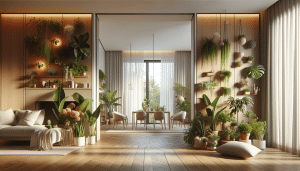
Adding houseplants to your interior improves air quality and infuses rooms with calming natural beauty. Snake plants, pothos, and spider plants are particularly popular because they thrive in varied light and don’t demand much care. These options suit both busy individuals and hobbyist gardeners, offering a bit of the outdoors inside. Studies show that even small amounts of greenery can boost mood and concentration – a subtle improvement that supports well-being without dramatic changes. The appeal of indoor plants continues to rise as people seek sustainable, affordable decor solutions.
Choosing containers with personality and color adds an extra design element. Hanging planters utilize vertical space and let you experiment with plant placement without crowding surfaces. For minimal maintenance, self-watering pots keep plants hydrated for longer stretches. Create groupings of plants for a lush appearance or go for a single striking leafy centerpiece. Homeowners often find that caring for houseplants becomes a relaxing daily ritual, and plants can be moved seasonally for optimal health and sunlight. These living accents help purify indoor air, making your home both healthier and visually appealing (Source: https://www.epa.gov/indoor-air-quality-iaq/indoor-plants).
With houseplants, pet safety is another important consideration. Research the toxicity level of each plant before bringing it home, especially if children or animals are present. Safe varieties such as Boston ferns and parlor palms can create a jungle-like feel with no risk to furry companions. Each season, local nurseries and gardening centers introduce new selections and care tips, supporting your plant choices and giving you inspiration for rearrangement or expansion. The effect is a vibrant, welcoming space that feels fresh all year round.
Freshening Up Indoor Air Quality
Poor indoor air quality can affect comfort and health, but a few targeted steps significantly enhance what you breathe at home. Opening windows regularly for cross-ventilation, even in colder months, helps to flush out stale air and pollutants. Mechanical solutions like high-efficiency particulate air (HEPA) filters work alongside plants to remove dust, pollen, and pet dander. Using natural cleaning products further limits the introduction of volatile organic compounds (VOCs), so common in spray cleaners and air fresheners.
Humidity control is equally vital. Humidifiers or dehumidifiers maintain balanced moisture, preventing mold growth and keeping skin and respiratory systems comfortable. In kitchens and bathrooms, exhaust fans reduce buildup from cooking or showers. Air purifiers are becoming a standard appliance in many households for their convenience and effectiveness. Many models feature real-time air quality sensors, helping you understand and respond to subtle changes throughout the day, which is particularly valuable in homes with allergy sufferers or young children (Source: https://www.cdc.gov/healthyhomes/bytopic/airquality.html).
Regular maintenance is a simple but essential piece of the air quality puzzle. Changing HVAC filters on schedule, vacuuming with a HEPA-filtered machine, and minimizing clutter can all greatly reduce indoor dust and allergens. Scented candles and incense, though inviting, should be used sparingly to prevent particulate buildup. By making air quality part of your regular cleaning routine, you can noticeably improve overall comfort and create a more enjoyable place to relax, work, and play.
Revitalizing Outdoor Spaces with Sustainable Gardening
Sustainable gardening has become a cornerstone of modern home improvement, promoting biodiversity and resilience in outdoor spaces. Raised garden beds, composting, and native plant choices reduce resource use and help gardens thrive with less chemical input. Homeowners eager to start a vegetable garden or pollinator-friendly flowerbed will find plenty of guides at cooperative extension offices and online platforms. Planning a garden layout around sun and shade maximizes growth while creating peaceful retreats for relaxation.
Reducing water use is a key part of sustainable landscaping. Drip irrigation systems deliver water directly to roots, avoiding wasteful runoff, while rain barrels collect stormwater for dry spells. Mulching helps conserve soil moisture and cut down on weeds, so garden beds remain healthy with less upkeep. The shift toward native plants, which require less watering and fertilizing once established, means gardens can be both easy-care and environmentally friendly. Resourceful gardeners also embrace upcycled planters and recycled garden materials, adding unique charm and storytelling elements to the landscape (Source: https://www.nifa.usda.gov/topics/sustainable-agriculture).
Children benefit from outdoor play areas, vegetable patches, or simple wildlife habitats built from logs and rocks. These encourage a love of nature and develop skills in care and observation. Community gardening groups and local workshops offer additional support, showing how gardening strengthens both neighborhood ties and pride of place. As more people turn to sustainability, the result is a backyard or balcony that delights throughout the seasons and contributes to larger environmental goals.
Budget-Friendly Strategies for Home Decor Updates
Many design experts say a room’s atmosphere can be instantly refreshed with creative, affordable updates. Swapping throw pillows, layering blankets, or adding new artwork provide color and pattern without a big commitment. Wall decals and removable wallpaper bring bold energy to rented homes or family spaces where permanent changes aren’t ideal. Shopping at thrift stores, estate sales, or online classifieds uncovers unique furniture and accessories, giving your home character while staying on budget.
Repurposing and upcycling household items personalizes every room. Old jars become vases, trays, or even small lamps, and unused fabric can be transformed into table runners or pillow covers. Attaching legs to salvaged wood creates custom benches or coffee tables at a fraction of retail prices. With a bit of creativity, functional pieces are born from cast-offs, and DIY communities online offer endless tutorials for beginners to experts. Some families set aside one weekend a month to tackle simple projects, turning upgrades into a shared activity with lasting memory and satisfaction.
Lighting is another often-overlooked area where minor changes make a strong impression. Switching out lampshades or using LED bulbs with adjustable color temperature can affect the visual warmth and energy of a space. Open shelving and decorative baskets on walls enhance storage and display opportunities, bringing texture to otherwise plain areas. By blending new purchases with reimagined old favorites, the result is an eclectic but cohesive look that always feels fresh and inviting.
Maintaining Comfort with Seasonal Routines
Adapting your home to the shifting seasons ensures comfort and preserves furnishings. In colder months, heavier drapes and rugs minimize drafts and help insulate. Swapping out bedding, incorporating cozy throws, and cleaning heating vents keep living spaces snug and energy-efficient. Routine checks on smoke detectors, carbon monoxide alarms, and weather stripping maintain both safety and comfort throughout cooler seasons. These adjustments not only work practically but also create a seasonal rhythm that feels comforting and purposeful.
Warm weather brings different needs. Lightweight curtains, regular window cleaning, and ceiling fan adjustments contribute to a cool and breezy environment. Deep cleaning tasks such as carpet washing or upholstery steaming refresh often-neglected surfaces and prepare spaces for spring gatherings or spontaneous relaxation. Many households create a checklist for visual inspections of plumbing, gutters, and exterior paint, ensuring the structure and function of their home remain strong all year.
Routine home maintenance also helps prevent unexpected repairs. Keeping records of when upgrades or services were performed makes it easier to budget and avoid larger expenses down the line. Regularly planning seasonal tasks allows families to divide chores, making upkeep a shared responsibility. Over time, these habits contribute to a house that feels well cared for, retains value, and offers peace of mind season after season (Source: https://www.energy.gov/energysaver/seasonal-tips-energy-saving).
References
1. U.S. Department of Housing and Urban Development. (n.d.). Do-It-Yourself Home Improvement Ideas. Retrieved from https://www.hud.gov/sites/documents/DOC_10618.PDF
2. Environmental Protection Agency. (n.d.). Indoor Plants for Indoor Air Pollution. Retrieved from https://www.epa.gov/indoor-air-quality-iaq/indoor-plants
3. Centers for Disease Control and Prevention. (n.d.). Indoor Air Quality. Retrieved from https://www.cdc.gov/healthyhomes/bytopic/airquality.html
4. National Institute of Food and Agriculture. (n.d.). Sustainable Agriculture. Retrieved from https://www.nifa.usda.gov/topics/sustainable-agriculture
5. Energy Saver, U.S. Department of Energy. (n.d.). Seasonal Tips for Energy Saving. Retrieved from https://www.energy.gov/energysaver/seasonal-tips-energy-saving
6. University of Missouri Extension. (n.d.). Home Maintenance and Repair. Retrieved from https://extension.missouri.edu/publications/g6800

 Exploring Smart Home Trends That Could Change How You Live