Smart Ways You Can Transform a Small Backyard
Isabella Rossi September 17, 2025
Unlock the full potential of your outdoor space with smart and sustainable strategies for small backyard transformation. This guide explores landscape design, gardening techniques, space-saving solutions, and eco-friendly upgrades to help your home feel bigger, greener, and more inviting. Discover which backyard ideas really make a difference.
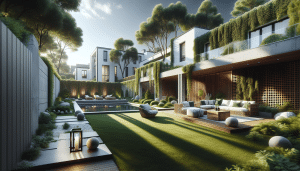
Understanding the Space and Setting a Vision
Designing a small backyard starts with understanding every inch of available space and defining your goals. Maybe privacy is a concern. Or perhaps you crave a peaceful reading nook surrounded by greenery. Map out measurements, note which areas get sun or shade, and consider existing features such as fences, patios, or sheds. Visualizing how you want the garden to feel will guide every other decision. This step ensures you create a functional outdoor living area tailored to your specific lifestyle.
It helps to sketch or even use online backyard design tools to plan layouts before buying a single plant or hammock. Some favor lush garden beds, while others appreciate minimalist patios for easy entertaining. Assess what is possible with your soil, exposure, and any local restrictions on plants or building. Setting a clear vision gives structure to your project and makes budgeting and material choices smoother. As outdoor trends evolve, staying true to your own needs and environment leads to the most satisfying results.
Planning early can unlock creative uses of tight corners or awkward angles that might otherwise get neglected. Thinking vertically, for example, opens up new opportunities for wall planters, trellises, and green screens. Reviewing popular small yard transformation ideas on university extension sites and reputable garden organizations offers practical inspiration (Source: https://extension.umn.edu/lawns-and-landscapes/landscape-design-managing-your-environment).
Landscaping Ideas for Small Backyards
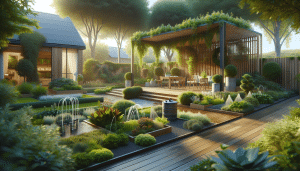
Effective landscaping can make a modest space feel impressive. Smart landscape design techniques—like layering plants for depth—draw the eye and create the illusion of a larger, lush garden. Mixing pathways, flower beds, and compact lawns divides space into zones, while meandering lines encourage exploration. Choosing plants suited to your local climate and maintenance needs is key. Native species add natural beauty and are typically more resilient in the long run. Combining hardscaping elements such as stone, brick, or recycled pavers can bring both structure and visual interest to confined areas.
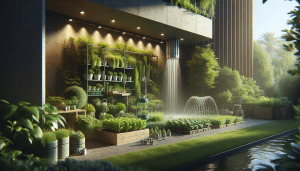
Many urban homeowners now embrace container gardening to maximize greenery in tight spots. Decorative pots allow for flexibility—you can refresh layouts with the seasons or move planters to take advantage of light. Vertical gardening, using stacked planters or wall-mounted systems, builds upward, freeing up valuable ground. Creative landscaping isn’t just about appearance. It can help with drainage, reduce erosion, and offer vital habitats for pollinators, which support ecological health (Source: https://www.epa.gov/soakuptherain/soak-rain-rain-gardens).
Edging garden beds with materials like reclaimed wood or natural stone gives definition to the landscape and sets boundaries for grass or mulch. Simple additions such as stepping stones, garden arches, or winding gravel paths can break up monotony and introduce character. Many homeowners find that combining edible and ornamental plants, like rosemary hedges or vibrant Swiss chard, offers function and beauty in one. Layering textures and foliage creates visual depth even in the smallest plots.
Space-Saving Features and Outdoor Living Zones
Every square foot counts in a tiny yard. That’s where multifunctional elements shine. Integrated seating, such as benches that double as storage, or fold-down tables tucked into fences, provide comfort without crowding the space. Decks built with slim, sustainable wood, or a small paved patio extension, help define a cozy gathering area. Fire pits, when allowed by code, can become natural focal points for relaxing evenings, while raised beds serve both as planters and low walls to structure areas.
Creating distinct outdoor living “rooms” transforms the feel of a home. Consider a shaded dining zone using pergolas or a corner with a reading chair beneath a vine-draped trellis. Even the smallest space can include a water feature, like a compact fountain or birdbath, to introduce calming sounds and attract beneficial wildlife. Lighting, from solar-powered lanterns to twinkling string lights, makes spaces usable after dark and improves safety. By breaking up the yard into defined zones, you encourage purposeful use and avoid cluttered layouts.
Creative feature placement and smart furniture selection enable the yard to serve multiple roles. Lightweight, movable chairs or stackable stools are flexible for gatherings. Compact grilling stations, wall-mounted planters, and outdoor rugs anchor different uses without taking up much floor area. Exploring outdoor living trends and modular model ideas from garden resources, such as those found at prominent landscape institutes, puts practical, stylish options within reach (Source: https://www.garden.org/learn/articles/view/3639/).
Eco-Friendly Upgrades for Sustainable Gardens
Sustainable gardening benefits both homeowners and the broader community. Installing a rain barrel to collect runoff reduces water bills and keeps plants hydrated through dry spells. Choosing drought-tolerant native plants minimizes irrigation needs, supporting local ecosystems. Composting kitchen and yard waste not only cuts landfill use but also enriches garden soil with valuable nutrients. Mulch spread around flower beds conserves moisture and keeps weeds at bay. These upgrades are cost-effective, easy to implement, and can be scaled for any size backyard (Source: https://www.epa.gov/recycle/composting-home).
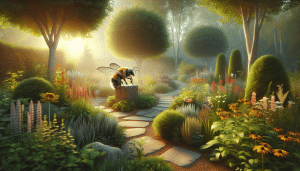
For those keen on supporting the local environment, planting pollinator-friendly species draws helpful bees and butterflies right into your yard. Building or buying a small bug hotel or bat house expands biodiversity. Many find satisfaction in creating garden spaces that offer food and shelter for native creatures. If space allows, integrating a rain garden or bioswale—areas designed to absorb and clean runoff—enhances sustainability and protects waterways. Solar-powered garden lights and low-voltage LED options further reduce energy footprints, making the garden greener in more ways than one.
Reclaimed materials get a second life outdoors. Old bricks make classic paths; salvaged pallets become vertical gardens. Upcycling can save money and add personality. Research conducted by environmental agencies and home improvement experts shows that incorporating eco-friendly features adds to property value and neighborhood appeal (Source: https://www.energy.gov/energysaver/landscaping-energy-efficient-homes). Start small, experiment, and watch a sustainable garden flourish.
Growing a Backyard Vegetable or Herb Garden
Edible gardens offer practical rewards and emotional satisfaction. Even a modest corner can support raised beds, containers, or hanging planters bursting with herbs and vegetables. Start with easy crops—leafy greens, radishes, or cherry tomatoes are ideal for novices. Herbs such as basil, mint, or oregano thrive in pots and bring immediate flavor to meals. Raised beds improve soil quality and drainage, speeding up success and boosting yields in small spaces (Source: https://extension.psu.edu/starting-a-vegetable-garden).
For city dwellers, balcony rail planters and stackable vertical beds maximize output in tight footprints. Trellises let you train vining crops, such as beans or cucumbers, upward instead of outward. Succession planting—sowing new crops as one harvest ends—keeps the garden productive all season. With a little planning, it’s possible to enjoy fresh greens for months and even share surplus with neighbors. Choosing disease-resistant plant varieties recommended by local garden extension offices increases the odds of a bountiful harvest.
Gardening provides health benefits, too, improving mood and encouraging gentle activity. Children engage with the outdoors, discovering where food comes from and how it grows. Composting, mulching, and rotating plant varieties keep the soil healthy and productive year-round. Many programs offer free or subsidized seeds and plants for beginners—check your regional extension or horticulture society. Edible gardens blend function, learning, and pleasure for any homeowner.
Smart Watering and Low-Maintenance Solutions
Efficient watering saves both time and resources. Using drip irrigation systems, soaker hoses, or self-watering planters means water goes straight to the roots, minimizing waste. Mulching around plants maintains soil moisture and lowers the need for frequent watering. Setting up a basic watering schedule helps establish drought tolerance in lawns and gardens. Weather-resistant timers make caring for plants nearly effortless—an especially helpful solution for busy households (Source: https://www.fs.usda.gov/naspf/sites/default/files/ht_waterwise_landscaping_2010.pdf).
Low-maintenance garden strategies can focus on perennial plants and shrubs that demand little attention once established. Ground covers such as creeping thyme or sedum fill gaps, prevent weeds, and reduce mowing. Ornamental grasses, succulents, and hardy evergreens create all-season interest without constant upkeep. Mulched pathways and gravel areas are handsome alternatives to high-maintenance lawns and allow for more diverse plantings in a compact backyard.
Automated watering and easy-care plants let homeowners and renters alike enjoy lush, resilient outdoor spaces without daily chores. Using regionally adapted species fosters biodiversity and garage curb appeal. For those seeking a relaxing garden without ongoing labor, the key is thoughtful planning, resilient plants, and smart watering systems. The garden flourishes, and so does free time.
References
1. University of Minnesota Extension. (n.d.). Landscape design: managing your environment. Retrieved from https://extension.umn.edu/lawns-and-landscapes/landscape-design-managing-your-environment
2. U.S. Environmental Protection Agency. (n.d.). Soak Up the Rain: Rain Gardens. Retrieved from https://www.epa.gov/soakuptherain/soak-rain-rain-gardens
3. National Gardening Association. (n.d.). Outdoor Living Rooms Ideas. Retrieved from https://www.garden.org/learn/articles/view/3639/
4. U.S. Environmental Protection Agency. (n.d.). Composting At Home. Retrieved from https://www.epa.gov/recycle/composting-home
5. U.S. Department of Energy. (n.d.). Landscaping for Energy-Efficient Homes. Retrieved from https://www.energy.gov/energysaver/landscaping-energy-efficient-homes
6. PennState Extension. (n.d.). Starting a Vegetable Garden. Retrieved from https://extension.psu.edu/starting-a-vegetable-garden

 How to Navigate Taxation as a Small Business Owner