Smart Ways You Can Refresh Your Living Space
Isabella Rossi September 28, 2025
Ready to transform your living space? This guide explores creative strategies for home improvement on any budget, from eco-friendly choices to clever storage. See how simple updates or DIY projects can make a room feel welcoming, organized, and uniquely yours.
The Power of Fresh Paint and Color Choices
New wall colors have a dramatic effect on how a space feels. Even minor changes—like switching from beige to a soft gray, or using a bold accent wall—make rooms look cleaner and more inviting. Paint is one of the most cost-effective home improvement tools. Experts often suggest lighter shades for small spaces because they reflect more light, creating a sense of openness. On the other hand, darker hues like navy or forest green can bring a cozy, modern touch to living areas or bedrooms. Experimenting with color blocking or painted stripes can add extra dimension, and these updates require minimal supplies. This approach can update your home’s style without major renovations or expensive furniture purchases (https://extension.psu.edu/how-to-choose-paint-colors-for-your-home).
Accent walls are a growing trend in home décor, setting the tone for an entire room. Picking a vibrant or dark shade on one wall directs the eye and adds personality, especially when paired with neutral colors on the other surfaces. Many people even use removable wallpaper or decals for a similar effect, adding pattern and interest without a long-term commitment. These solutions are popular among renters or those who frequently update their style. Paint and wallpaper are also tools for camouflaging minor wall imperfections, making the whole space feel cleaner and newer. Don’t forget to match your wall colors with soft furnishings, like cushions or rugs, for a coordinated design that feels thoughtful and appealing.
Modern painting techniques can also involve eco-friendly practices. Low-VOC and zero-VOC paints reduce indoor pollution, a benefit for anyone sensitive to fumes or looking to live sustainably. Choosing water-based finishes is another way to improve indoor air quality. These small lifestyle adjustments, such as switching to environmentally friendly brands, can have big impacts on comfort and wellbeing at home. When combined with simple upgrades like updated trim color or freshly painted doors, these eco-mindful choices enhance both home style and health (https://www.epa.gov/saferchoice/choosing-house-paint).
Lighting Changes That Lift Any Room
Lighting has a subtle but dramatic influence on mood and functionality. Natural light is the gold standard; maximizing it helps boost energy levels and creates pleasant, soft shadows that make rooms look larger. To achieve this, try using sheer curtains or repositioning mirrors to reflect sunlight. Place reflective surfaces opposite windows so the light bounces through the space. Even small rooms can appear brighter and more cheerful with these smart tricks. Adjusting your window treatments—like opting for top-down, bottom-up shades—lets you control privacy without blocking light.
Artificial lighting carries equal importance, especially after sunset or in rooms with limited sun exposure. Layering is the secret: combine ambient ceiling lights, task lamps for reading, and spotlights or LED strips for accent. LED bulbs are energy-efficient, last longer, and offer a range of color temperatures from warm white to daylight blue. They reduce energy consumption and are widely available, making sustainability an easy choice. Consider adding dimmers or smart bulbs you can adjust via smartphone for further flexibility. Updated bulbs or fixtures are minor investments that can deliver major aesthetic improvements and potential energy savings.
Statement light fixtures—such as a sculptural pendant or bold chandelier—act as functional art, drawing guests’ eyes upward. They instantly update the atmosphere and serve as conversation pieces. Even smaller touches, like under-cabinet lights in the kitchen or battery-powered LED puck lights in closets, have a big impact on usability. Lighting is not only about brightness; color temperature influences ambiance as well. Warmer bulbs (measured in Kelvin) foster a relaxing environment, while cooler options are ideal for workspaces. Rethinking your lighting scheme can make any home feel transformed instead of just illuminated. (https://www.energy.gov/energysaver/lighting-choices-save-you-money)
Storage Solutions That Declutter Effortlessly
Functional storage is essential for a tidy and stress-free home. Smart shelving and built-in organizers keep everyday items within reach but out of sight. Cube units or floating shelves maximize vertical space, ideal for small living rooms, kitchens, or even hallways. Open shelves display favorite books, plants, or photos, while baskets or bins hide clutter. Well-chosen organizers can instantly make a home feel more streamlined. Consider investing in custom closet systems for bedrooms or labeled containers in pantries, which help maintain order and make cleaning quicker and more efficient.
Multifunctional furniture is a top strategy for small homes or apartments. Ottomans with hidden storage, lift-top coffee tables, or beds with pull-out drawers serve double duty and free up valuable space in tight floorplans. Furniture with built-in storage is often designed to blend seamlessly with any décor, so beauty and practicality work hand in hand. Under-bed bins, shoe racks, and stackable organizers are simple products that make a big difference for families, especially when shared spaces need to stay organized. Keeping things clutter-free also has psychological benefits, promoting relaxation and clear thinking.
Decluttering is about more than bins. It involves habits—like sorting belongings regularly and letting go of seldom-used items. Capitalize on hidden areas for bonus storage, such as the backs of doors or under stairs. Magnetic strips, wall hooks, and over-the-door racks are cost-effective, easy-to-install upgrades. Teach kids or other housemates to use designated spots for shoes, school supplies, or work gear to create lasting order. A clutter-free environment not only looks better but makes daily life smoother for everyone involved. (https://www.hopkinsmedicine.org/health/wellness-and-prevention/tips-to-declutter-your-home-and-your-mind)
Plants and Natural Elements for Freshness
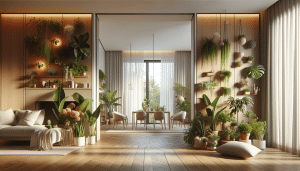
Houseplants can rejuvenate dull rooms with vibrant greenery while improving indoor air quality. Scientific studies have shown some types, like spider plants or pothos, help filter out toxins (such as formaldehyde or benzene) found in furniture and carpeting. Even if you lack a green thumb, low-maintenance species—snake plants, peace lilies, or succulents—require minimal attention but deliver significant benefits. Place them near windows, on shelves, or as table centerpieces for an instant lift. Some households enjoy growing kitchen herbs like basil or mint indoors, which add both fragrance and utility for home cooking.
Flowers and cut branches bring color, texture, and a sense of the outdoors inside. Changing arrangements with the seasons—using tulips in spring or evergreens in winter—keeps a space lively year-round. For those with allergies or who prefer a low-maintenance approach, high-quality artificial plants can mimic the look of real botanicals without upkeep. These can be swapped out as trends or moods change, making them versatile decorating elements. Adding bowls of fresh fruit or woven baskets of pinecones achieves a similar natural vibe on a budget.
Incorporating natural textures beyond plants is equally impactful. Wooden bowls, stone coasters, rattan trays, or linen textiles connect spaces with the earth. Sustainable design has become an important trend, with more homeowners opting for materials sourced in ways that limit environmental impact. Making eco-friendly choices often improves the atmosphere as well as aesthetics, and simple upgrades—like using glass instead of plastic containers—are both practical and stylish. Attention to living finishes and organic shapes can make any room feel more peaceful and connected to nature (https://www.rhs.org.uk/plants/benefits).
Personal Touches That Tell Your Story
Personalization transforms a house into a true home. Photographs, travel mementos, or handmade crafts make spaces feel warm and unique. Create gallery walls using a mix of framed art, postcards, or family pictures. This approach not only fills blank surfaces, but also sparks conversation and nostalgia. Rotating decorations each season or for special events ensures things never feel static. Special pieces—like inherited furniture or local artwork—add meaningful character that is impossible to duplicate. Surround yourself with reminders of favorite experiences, hobbies, or loved ones for ongoing inspiration.
DIY décor has a prominent place in modern living. Repurposing old furniture, painting flea market finds, or making wall hangings allows you to express creativity while sticking to a budget. These projects often involve the whole family, turning improvements into fun group activities. Simple refreshes—like swapping cushion covers, revamping lampshades, or making seasonal wreaths—keep design fresh and interactive. Homeowners are also increasingly interested in sustainable upcycling, giving old items new life rather than discarding them. Personalized details, especially when made by hand, communicate welcome and warmth.
Scent also shapes personal experience at home. Candles, essential oil diffusers, or natural potpourris let residents define the mood from room to room. Scents like lavender, citrus, or vanilla have relaxing effects, while pine or peppermint can invigorate. Personalizing your living space isn’t just about the visible; sound and smell matter. Soft music or white noise machines bring comfort, especially in open-concept layouts. Anchor your style with textiles unique to your taste—colorful throws, pillows, or area rugs—and every guest will sense the home’s individuality. (https://www.psychologytoday.com/us/blog/home-base/201911/the-art-and-science-personalizing-your-space)
Simple Maintenance for Lasting Comfort
Upkeep is just as important as redecorating for long-term satisfaction. Routine maintenance—like changing HVAC filters, checking for leaks, or cleaning windows—prevents bigger problems. Homeowners sometimes overlook simple tasks that contribute tremendously to comfort and air quality. Set reminders to deep-clean often-neglected areas, such as under heavy furniture or inside closet corners. Regular dusting, sweeping, and washing textiles help eliminate allergens and keep living spaces fresher. Home maintenance routines should adjust with the seasons to address issues like humidity in summer or drafts in winter.
Preventive care protects investments. Furniture polish, area rug rotation, and resealing countertops are minor projects that extend the life of valuable items. Inspect plumbing and electrical systems for warning signs, and handle repairs early to avoid expensive replacements. Landlords or those living in older homes should watch for peeling paint, weak flooring, or leaky windows. These seemingly minor problems can worsen quickly if ignored. Seasonally clearing gutters, pruning overgrown shrubs, and replacing weatherstripping also play a role in a well-cared-for environment.
Home safety is a major benefit of ongoing maintenance. Regular testing of smoke detectors, updating first aid kits, and reviewing emergency plans ensure peace of mind. Easy chores—like organizing emergency contacts or watching for trip hazards—take little effort but offer significant reassurance. Maintain home systems and aesthetics alike for a welcoming, worry-free space. Residents can feel confident and proud, knowing their efforts contribute to a safe, pleasant home for everyone. (https://www.cdc.gov/healthyhomes/ByTopic/Maintenance.html)
References
1. Penn State Extension. (n.d.). How to choose paint colors for your home. Retrieved from https://extension.psu.edu/how-to-choose-paint-colors-for-your-home
2. U.S. Environmental Protection Agency. (2023). Choosing safer products: House paint. Retrieved from https://www.epa.gov/saferchoice/choosing-house-paint
3. Department of Energy. (n.d.). Lighting choices to save you money. Retrieved from https://www.energy.gov/energysaver/lighting-choices-save-you-money
4. Johns Hopkins Medicine. (n.d.). Tips to declutter your home and your mind. Retrieved from https://www.hopkinsmedicine.org/health/wellness-and-prevention/tips-to-declutter-your-home-and-your-mind
5. Royal Horticultural Society. (n.d.). The benefits of houseplants. Retrieved from https://www.rhs.org.uk/plants/benefits
6. Centers for Disease Control and Prevention. (2023). Home maintenance. Retrieved from https://www.cdc.gov/healthyhomes/ByTopic/Maintenance.html

 What You Might Miss About Homeowners Insurance