Unlocking Gut Health Secrets for Vibrant Living
Sofia Alvarez September 29, 2025
Explore the fascinating connection between your gut and overall well-being. This guide breaks down the essentials of gut health, the power of probiotics, and how nutrition and stress shape your digestive system. Get practical insights into foods, lifestyle, and hidden factors for a happier, healthier gut.
The Hidden Connection Between Gut Health and Well-being
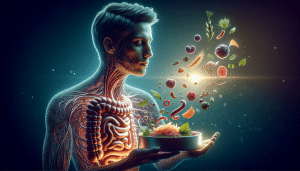
The gut plays a central role in overall physical and mental wellness. Research has identified a complex network known as the gut-brain axis, highlighting how digestive balance influences energy levels, immune response, and even mood. An imbalance in your gut microbiome may affect not just digestion but also sleep and cognitive clarity. When gut flora are disrupted, more than just stomach issues can arise—fatigue and irritability may occur as well. Learning about this connection opens new doors for proactive health management and daily vitality.
Many are surprised to discover that nearly 70% of the immune system is based in the gut. Microorganisms living inside our digestive system help process nutrients while defending against harmful bacteria. The balance between beneficial and harmful microbes shapes how resilient the body is to everyday stressors. A diverse gut microbiome is linked to reduced inflammation, stable mood, and lower risks of chronic disease. By nurturing this internal environment, people often see improvements reaching beyond simple digestion (Source: https://www.nih.gov/news-events/nih-research-matters/gut-microbes-affect-brain-health).
Prioritizing gut wellness can be transformative for those managing autoimmune conditions, digestive discomfort, or energy slumps. The science continues to emerge, showing a direct link between gut bacteria and the production of neurotransmitters like serotonin. This means that what happens in the gut isn’t isolated—good gut balance supports healthy emotions and better stress management. Simple daily choices, from what’s on your plate to how you manage pressure, play a role in shaping a vibrant, balanced self.
Probiotics and Prebiotics: Fueling Your Digestive Strength
Probiotics are live beneficial bacteria introduced through diet or supplements. Foods like yogurt, kefir, sauerkraut, and kimchi deliver these friendly microbes and help maintain a robust gut environment. Probiotics improve digestion, increase nutrient absorption, and may ease symptoms in those with irritable bowel or lactose intolerance. By replenishing your good bacteria, these foods support smoother digestion and greater immune resilience (Source: https://www.mayoclinic.org/healthy-lifestyle/nutrition-and-healthy-eating/expert-answers/probiotics/faq-20058065).
Prebiotics, found in fiber-rich foods, act as nourishment for existing gut flora. Ingredients like bananas, asparagus, garlic, and oats fuel the good microbes and foster microbial diversity. Unlike probiotics, prebiotics aren’t live organisms; instead, they provide the fiber and starches needed for healthy bacteria to flourish. When prebiotics and probiotics are consumed together, the synergistic effect can lead to a happier digestive system and more regular bowel movements.
Finding the right balance of probiotics and prebiotics can be a journey. Some experience bloating or minor digestive discomfort as their gut flora adjust, but this often fades with time. Consistency is key; regular intake of both can create lasting improvements in energy, digestion, and immune robustness. It’s wise to start with familiar fermented foods, gradually introducing new sources as your system adapts. Each person’s ideal combination may vary, so listening to the body can bring rewarding changes.
Nutrition’s Impact on Your Microbiome
Food is more than fuel; it’s a powerful means of shaping the diversity and health of gut microbiota. Diets high in vegetables, whole grains, and lean proteins create a balanced environment where good bacteria thrive. Conversely, processed foods and excessive sugars may disrupt this balance, fueling harmful microbial growth. Over time, these choices impact not only digestive health but may influence risk factors for obesity, diabetes, and cardiovascular issues (Source: https://www.hsph.harvard.edu/nutritionsource/microbiome/).
Incorporating a “rainbow” of plant-based foods offers many types of fibers and phytonutrients, supporting different species of beneficial bacteria. Variety is crucial for microbiome strength. Beyond fruits and vegetables, nuts, seeds, and legumes introduce important nutrients while keeping gut communities diverse. Limiting artificial sweeteners and preservatives may further protect delicate bacterial populations, making each meal a chance to build internal resilience.
Meal timing matters, too. Long breaks between meals or eating late at night can stress the digestive system and alter microbial balance. Some studies suggest that a consistent eating window helps synchronize gut activity with circadian rhythms, promoting optimal digestion and absorption. This holistic approach to nutrition, focusing on quality, diversity, and timing, creates a foundation for lifelong digestive well-being.
The Role of Stress and Sleep in Gut Health
Chronic stress is known to disrupt digestive harmony, resulting in symptoms like bloating, constipation, or even irritable bowel syndrome. The stress hormone cortisol can alter gut permeability, sometimes described as “leaky gut,” and shift the balance between beneficial and unwanted bacteria. Mindful stress management practices—including deep breathing, meditation, or gentle exercise—can help regulate both mental and digestive states (Source: https://www.apa.org/news/press/releases/stress/2013/gut-reaction).
Quality sleep is another central component of gut wellness. Sleep deprivation weakens gut barrier function and alters the diversity of gut microbiota. This creates a feedback loop—poor gut health can further impair restful sleep. Prioritizing a regular sleep schedule, creating a calming bedtime ritual, and avoiding stimulants late in the day all support digestive repair and balance throughout the night.
Building a healthier gut involves addressing both physical and emotional well-being. It’s not uncommon for stress or anxiety to trigger digestive upset, just as digestive problems can worsen mood. Over time, holistic care—including mindful rest, self-compassion, and balanced routines—creates an internal environment where the gut microbiome can truly flourish.
Signs of an Unbalanced Gut and When to Seek Support
Common signs your gut may need care include bloating, irregular bowel movements, frequent fatigue, or skin concerns. These indicators can be subtle at first but may become persistent if left unaddressed. Balancing the gut is not a quick fix; some individuals notice improvement only after weeks of consistent lifestyle and nutrition changes (Source: https://www.niddk.nih.gov/health-information/digestive-diseases/digestive-health).
Self-observation is valuable. Track dietary changes and note how your body responds. If symptoms worsen or are accompanied by severe pain, blood in stool, or unexplained weight loss, it’s important to consult a qualified health provider. Professionals can assist with advanced diagnostics—looking for food sensitivities, inflammatory markers, or underlying health conditions affecting the gut.
Many find reassurance and direction by working with dietitians or gastroenterologists skilled in digestive health. Comprehensive care may include personalized dietary plans, safe use of probiotics, or stress-reducing techniques. Addressing concerns early and holistically can help restore comfort, energy, and long-term vigor.
Building Lasting Gut Wellness Habits
Adopting healthy routines for gut care is a gradual, empowering process. Start with small shifts—a fermented food with lunch, a fiber-rich breakfast, or a few moments of deep breathing before meals. Keeping hydrated further aids digestion, supporting efficient movement through the intestines (Source: https://www.cdc.gov/nutrition/data-statistics/know-your-limit-for-added-sugars.html).
Consistency outperforms extremes. A diverse, plant-based diet and regular eating schedule help reset gut microbial rhythm. Limiting artificial additives, managing stress, and cultivating restful sleep complete the picture. Over time, these habits become second nature, weaving wellness into daily life.
Gut health is a lifelong journey, with new discoveries and strategies emerging regularly. Staying curious, reading reputable sources, and experimenting with food and self-care practices put you in the driver’s seat of your own digestive destiny. Small steps today create ripples of vibrancy, energy, and resilience for the future.
References
1. National Institutes of Health. Gut microbes affect brain health. Retrieved from https://www.nih.gov/news-events/nih-research-matters/gut-microbes-affect-brain-health
2. Mayo Clinic. Probiotics: What is it, benefits, side effects, food & types. Retrieved from https://www.mayoclinic.org/healthy-lifestyle/nutrition-and-healthy-eating/expert-answers/probiotics/faq-20058065
3. Harvard T.H. Chan School of Public Health. The Microbiome. Retrieved from https://www.hsph.harvard.edu/nutritionsource/microbiome/
4. American Psychological Association. Gut reaction: How the gut influences mental health and well-being. Retrieved from https://www.apa.org/news/press/releases/stress/2013/gut-reaction
5. National Institute of Diabetes and Digestive and Kidney Diseases. Digestive diseases. Retrieved from https://www.niddk.nih.gov/health-information/digestive-diseases/digestive-health
6. Centers for Disease Control and Prevention. Know Your Limit for Added Sugars. Retrieved from https://www.cdc.gov/nutrition/data-statistics/know-your-limit-for-added-sugars.html

 You and the Evolution of News Media Consumption