Travel Experiences That Combine Culture and Learning
Daniel Kim September 24, 2025
In recent years, travel has evolved beyond the typical sightseeing or relaxation-based vacations. As more people seek deeper, more meaningful experiences, the trend of cultural immersion combined with educational opportunities has surged in popularity. These travel experiences not only offer insight into the rich traditions, arts, and histories of the destination but also create a platform for learning and personal growth.
Whether it’s attending a cooking class in Tuscany or volunteering in a rural village in Southeast Asia, the intersection of culture and learning is reshaping how we think about travel. This growing movement speaks to those who want to do more than just visit a location—they want to understand it, live it, and grow from it.
Let’s explore how this trend is unfolding and why it’s shaping the future of travel.
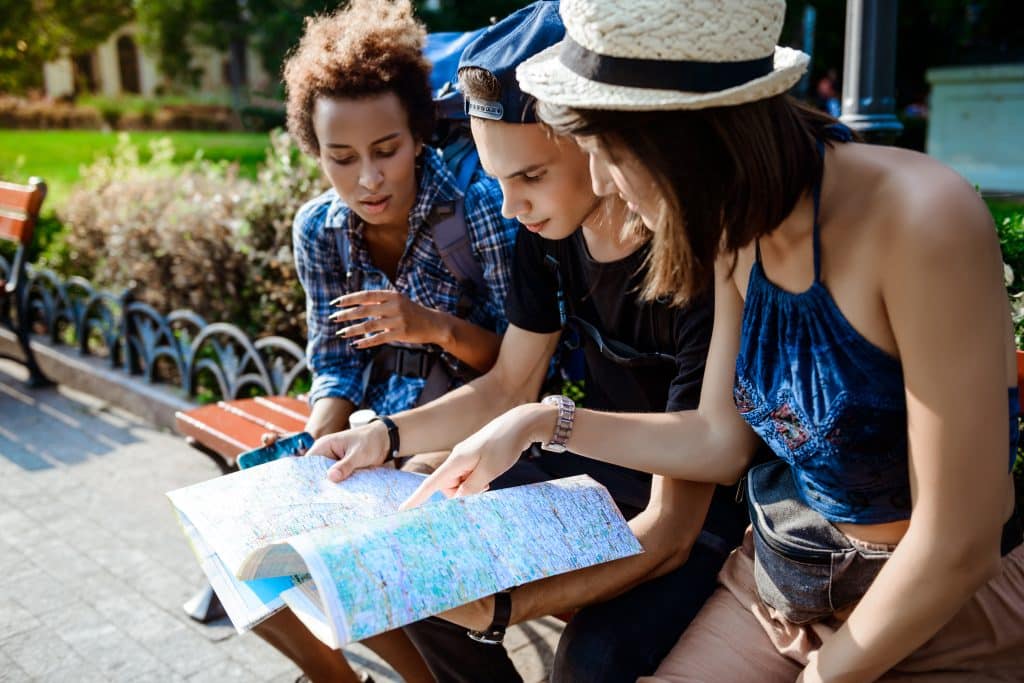
1. Cultural Immersion as a Learning Experience
Cultural immersion is at the core of many modern travel trends. Rather than simply observing a culture from a distance, travelers are increasingly opting to dive deep into the local lifestyle, learning the language, traditions, and daily routines of their chosen destination.
One notable example is the voluntourism movement, which encourages travelers to combine sightseeing with volunteering. According to recent reports, 73% of people who traveled for volunteer purposes indicated a significant positive impact on their understanding of different cultures and social issues (Sustainable Travel, 2024). Programs range from teaching English in local schools to supporting sustainable farming projects in remote villages. These experiences not only provide hands-on education but also foster lasting relationships with local communities, enhancing the traveler’s cultural knowledge.
2. Travel Courses and Workshops: Learning by Doing
The rise of travel programs offering specialized courses and workshops has made it easier than ever for travelers to expand their knowledge while exploring new places. In Italy, for example, many travelers are enrolling in cooking classes that teach authentic Italian cuisine, providing an in-depth look at regional ingredients, preparation techniques, and the cultural significance behind each dish.
Similarly, in countries like Japan and India, traditional arts such as calligraphy, pottery, and dance are being taught in immersive settings. These experiences offer much more than a traditional tour—they’re a hands-on way to learn about the cultural nuances of a place and its people. Whether it’s learning to make sushi in Tokyo or practicing traditional Thai massage in Chiang Mai, these workshops offer valuable skills and a deeper connection to the destination.
3. Mindful Travel and Sustainability Education
Traveling with a sense of mindfulness and purpose has become another powerful trend. Many travelers are seeking educational travel experiences that teach sustainable practices, such as eco-friendly farming techniques or wildlife conservation efforts. In places like Costa Rica, where biodiversity is a huge part of the national identity, eco-tourism and sustainable travel are booming, with tourists getting involved in reforestation efforts and wildlife monitoring projects.
This type of travel not only educates visitors about pressing global issues like climate change and conservation but also empowers them to take action upon returning home. According to the World Travel and Tourism Council (WTTC, 2024), eco-tourism is expected to grow by 25% in the next five years, as more people seek environmentally-conscious vacations that also offer personal growth.
4. Education through Heritage and History
Travel is a powerful tool for learning about the past, and today’s travelers are increasingly seeking to connect with history in a personal and meaningful way. Guided tours of ancient cities, archaeological sites, and museums offer insights into the rich history and heritage of a place, but there’s an increasing demand for more interactive and educational experiences.
Consider, for example, the WWII history tours in Europe. These immersive experiences offer not only visits to significant sites but also interactions with local historians and veterans, who provide unique insights into the human side of history. In Egypt, travelers can now participate in archaeological digs, working side-by-side with scientists and uncovering historical treasures while learning the intricacies of the field.
The integration of history into travel experiences adds an enriching layer, transforming a simple vacation into an educational journey that connects past, present, and future.
5. Digital Nomadism and Remote Learning
The rise of digital nomadism is another trend that reflects the increasing desire for both cultural exposure and continued education while traveling. Digital nomads are individuals who work remotely while exploring the world, often taking advantage of travel destinations that offer vibrant cultures and affordable living.
Programs offering co-working spaces paired with educational opportunities are becoming popular in countries like Bali, Portugal, and Mexico. These programs not only allow remote workers to travel but also provide them with access to workshops, lectures, and networking opportunities that focus on everything from language learning to creative writing and digital marketing.
Digital nomads are not just working from a new location—they’re using their time abroad as an opportunity to learn and grow professionally and personally. This type of educational travel allows individuals to expand their horizons while maintaining their careers, making travel an enriching experience that blends work and learning.
6. Local Collaborations: Learning from the People
One of the most unique aspects of travel experiences that combine culture and learning is the opportunity to engage directly with local communities. Travelers are not just consuming culture—they’re learning from the people who create it. Whether it’s a private tour of a local artist’s studio in Mexico or participating in a traditional dance class in Senegal, these hands-on experiences create deeper understanding and respect for the local culture.
Local collaborations are becoming more accessible as the sharing economy continues to grow. Platforms like Airbnb Experiences and Tandem connect travelers with locals offering cultural and educational activities. This allows for more authentic, personalized learning experiences that are shaped by the knowledge and passion of the local community.
Why This Trend Matters
The trend of combining culture with learning is more than just a fleeting moment in travel; it’s reshaping how we experience the world. In a society that’s increasingly interconnected, understanding diverse cultures and gaining firsthand knowledge has never been more important. This type of travel offers not only personal enrichment but also helps build global awareness and empathy—qualities that are crucial in today’s world.
By opting for travel experiences that foster learning and cultural exchange, we’re not just gaining souvenirs or ticking off items on a bucket list; we’re gaining the tools to understand the world better and share that knowledge with others.
References
- Global Travel & Tourism to Reach New Heights in 2025- https://wttc.org
- Travel & Tourism Economic Impact Research (EIR)-https://arxiv.org
- Towards participatory activities with augmented reality for- https://www.sciencedirect.com

 Nutrition Tips That Support Long-Term Health