Digital Twins Revolutionize the Way You Interact With Technology
Daniel Kim September 26, 2025
Explore how digital twins are shifting the landscape of tech and science, blending real and virtual worlds to drive efficiency and innovation. This guide dives into their applications, benefits, challenges, and the future opportunities emerging from digital twin technology.
What Are Digital Twins and Why They Matter
Digital twins are detailed virtual replicas of physical objects, systems, or processes. These digital models use real-time data to mirror their physical counterparts, unlocking new levels of monitoring, analysis, and control. Originally used in manufacturing and aerospace, digital twins now power efficiency in diverse industries when synchronized with advanced AI and IoT sensors. Many organizations see digital twins as a bridge between the physical and digital realms, helping to streamline operations while optimizing performance.
The power of a digital twin lies in its ability to capture both microscopic details and high-level system behavior. For example, a digital twin of an engine might reflect temperature, pressure, and even vibration data in real time. This allows engineers to predict breakdowns or plan maintenance more efficiently. Health care, urban development, and energy sectors adopt this technology to enhance decision-making and uncover inefficiencies. Their scope continues to expand as technology integrates data analytics, cloud computing, and real-time connectivity.
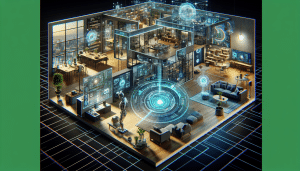
Current trends show digital twins aren’t just about mimicking machines. They handle complex ecosystems such as entire buildings or even cities. By aggregating data from connected devices, these twins allow for insightful simulation and modeling of scenarios. This blend of artificial intelligence, big data, and machine learning encourages informed action, ultimately making technology systems safer, more sustainable, and adaptable for future growth.
How Digital Twins Connect Your World Using IoT
Internet of Things (IoT) forms the backbone of digital twin ecosystems. IoT sensors collect live operational and environmental data from physical assets, instantly transmitting them to their virtual twin. This continuous data loop empowers organizations to identify risks, enhance predictive maintenance, and fine-tune operations. Even simple devices—like smart thermostats in homes—echo digital twin principles, reflecting the synergy between tangible technology and its digital representation.
In industrial settings, networks of IoT sensors feed digital twins a vast stream of insights. Factories use this data for quality assurance, by spotting deviations from model standards. The result? Reduced downtime and significant cost savings. In urban planning, digital twins supported by IoT map traffic flows, energy usage, and climate impacts, helping city planners design more efficient and sustainable environments. By connecting structural health monitoring with digital twins, bridges and towers not only ‘report’ problems but also forecast costly repairs before they become urgent.
Retailers and supply chain specialists also leverage real-time data from digital twins for logistics optimization. Tracking shipments, inventory, and shelf life becomes effortless when each item’s twin is constantly updated. As more everyday objects get equipped with IoT sensors, digital twins scale from manufacturing giants down to individuals’ homes and routines—reshaping commerce, health, mobility, and the very fabric of smart cities.
Unlocking Value in Industry With Digital Twin Simulations
Simulations powered by digital twins drive progress in sectors like aerospace, automotive, and energy. By creating a risk-free test bed for new products or workflows, companies can experiment and validate ideas before making physical changes. Flight simulators based on digital twins have reduced training risks and costs, while smart grids use real-time energy simulations to distribute electricity efficiently. Companies monitor entire assembly lines and machinery in virtual space, tweaking variables to find the most productive configurations.
Real-time feedback loop is a hallmark of digital twin applications. When engineers update the design of a wind turbine in its digital twin, they can observe stress points and output without ever altering the real device. Decisions backed by AI-powered simulations avoid the cost and risk of trial-and-error in reality. In pharmaceuticals, twin simulations streamline production lines while maintaining strict quality controls—a boon for safety and compliance. These advances highlight why market forecasts project robust growth in digital twin investments across sectors seeking agility.
The value amplifies in urban infrastructure and healthcare. Hospitals simulate patient workflows using digital twins to improve care delivery and resource use. Smart cities harness real-time simulations to test new transportation routes or water management solutions under ‘what-if’ scenarios. Combining machine learning with digital twins refines planning, forecasting, and fast decision-making—maximizing efficiency and adaptability in evolving environments.
Challenges Facing Digital Twin Technology
Despite their promise, digital twins face real challenges in adoption. Gathering accurate, real-time data isn’t always straightforward. Legacy equipment might lack the sensors necessary for digital twinning, while data integration from different sources can create compatibility headaches. Cybersecurity concerns also loom large. The more digital twins interact with sensitive infrastructure, the greater the need for rigorous data protection and privacy controls, to avoid breaches or data misuse.
Another hurdle: complexity and cost. Implementing a functional digital twin platform requires capital, experts in machine learning and cloud computing, and organizational buy-in. Small businesses may struggle with the resource demands, putting brakes on large-scale deployment. Additionally, establishing standardized communication protocols across manufacturers and sectors is essential for seamless interoperability but remains a work in progress. Addressing these issues is key for making digital twins more accessible and robust in real-world scenarios.
As digital twins evolve, so does concern over digital ethics. Who owns the virtual data of a real-world asset? What happens if an AI-driven twin recommends action that turns out to be flawed? Developing regulatory frameworks, open standards, and clear lines of accountability is crucial for the trust and sustainability of digital twin ecosystems. Adaptive policy, transparency, and continuous monitoring will play starring roles as this technology continues to transform society and business.
Where Digital Twins Go Next: Future Trends and Possibilities
Looking ahead, digital twin development is merging with artificial intelligence, edge computing, and immersive XR (virtual/augmented reality) technologies. Twins not only observe but also learn and anticipate. Autonomous vehicles use digital twins to predict traffic and optimize routes in near real time, while medical twins model disease progression and customize patient care. Fusion with 5G connectivity is making synchronizing vast datasets faster, bringing digital twins to agriculture, remote monitoring, and global supply chains.
Industry experts expect digital twins to reshape personalized experiences. Imagine shopping with your own digital avatar capable of trying products virtually, or a digital health twin offering preventive insights based on health wearables and genetics. Sustainable design, disaster preparedness, and virtual prototyping will benefit from these emerging capabilities. As climate change, urban growth, and aging populations stress infrastructure, digital twins offer new hope for resilience and foresight in planning.
Still, the journey is full of discovery. Responsible use, cross-sector collaboration, and continual education are vital for positive outcomes. Leaders and innovators who thoughtfully harness digital twin advancements will help build a future where technology works in harmony with people and the planet, opening up creative solutions to challenges once considered unsolvable.
Getting Started With Digital Twins: What to Consider
Organizations considering digital twin adoption should begin by identifying target assets or workflows that will benefit most. Start small. Pilot programs allow stakeholders to explore advantages and hurdles without heavy investment. Analyzing internal processes and infrastructure readiness is crucial. Many public and private sector resources exist to guide initial steps and practical implementation, fostering confidence and understanding as systems expand.
Cybersecurity should be a top priority when setting up data flows between physical assets and their digital twins. Strong encryption, access management, and compliance with emerging privacy standards protect critical information. Close collaboration between IT, operational teams, and vendors ensures a shared vision. Some industries can take inspiration from case studies published by academic, industry, and government bodies that track digital twin results and lessons learned.
Professional development and digital fluency remain key. Training staff in digital twin fundamentals, analytics, and best practices accelerates transformation. Trusted online courses, workshops, and professional networks support continuous learning as digital twins become foundational to technological innovation. As adoption grows, communities of practice and regulatory groups will be instrumental in sharing knowledge and setting standards for safe, effective, and ethical use.
References
1. National Institute of Standards and Technology. (n.d.). Digital Twins. Retrieved from https://www.nist.gov/programs-projects/digital-twin
2. Deloitte Insights. (n.d.). Digital twins: Bridging the physical and digital. Retrieved from https://www2.deloitte.com/insights/us/en/industry/technology/digital-twins-bridging-the-physical-and-digital.html
3. IBM Research. (n.d.). Building a digital twin. Retrieved from https://www.ibm.com/research/digital-twin
4. European Commission. (n.d.). Digital Twins for Smart Cities. Retrieved from https://smart-cities-marketplace.ec.europa.eu/news-and-events/news/digital-twins-smart-cities
5. National Renewable Energy Laboratory. (n.d.). The Role of Digital Twins in Renewable Energy. Retrieved from https://www.nrel.gov/news/program/2023/digital-twin.html
6. Harvard Business Review. (n.d.). Digital Twins: The Virtual World’s Mirror. Retrieved from https://hbr.org/2020/09/digital-twins-the-virtual-worlds-mirror

 Small Space Living Ideas You Haven’t Tried