How Eco-Tourism Benefits Local Economies
Daniel Kim September 18, 2025
In recent years, eco-tourism has surged in popularity as travelers seek more sustainable ways to experience the world. But eco-tourism is more than just a buzzword—it is a powerful tool for improving local economies while promoting environmental conservation. As tourists increasingly prioritize experiences that support both nature and local communities, eco-tourism is helping shift the traditional tourism model to one that benefits not only travelers but also the places they visit.
This article explores how eco-tourism benefits local economies and why it is crucial to the long-term sustainability of both the environment and the people living in these areas.
What is Eco-Tourism?
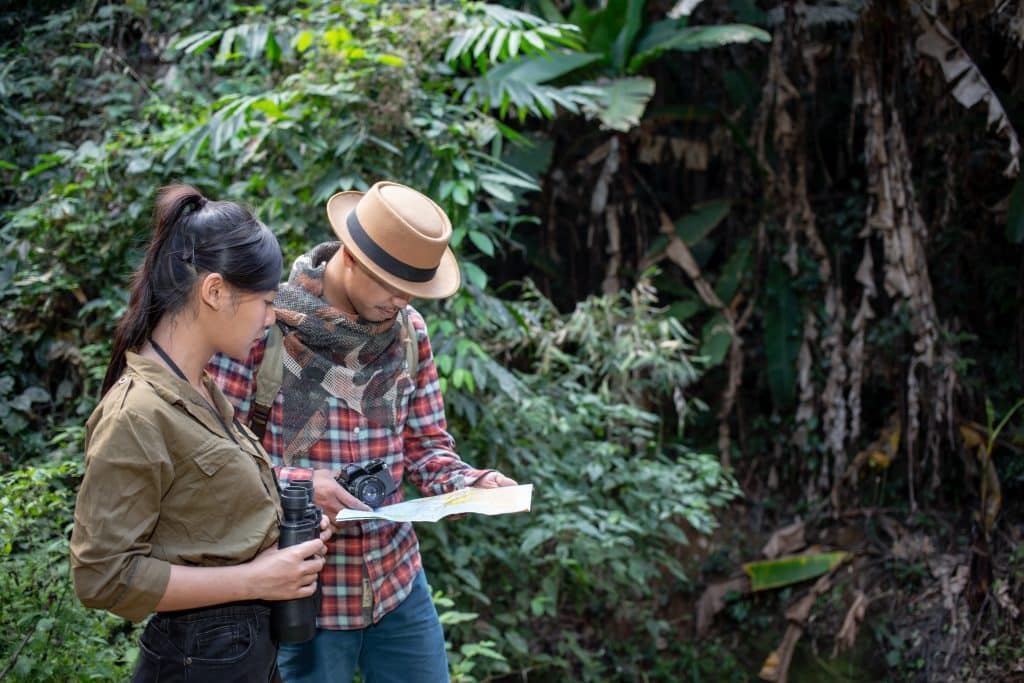
Eco-tourism refers to responsible travel that conserves the environment and improves the well-being of local people. Unlike traditional tourism, which can often lead to environmental degradation and exploitative practices, eco-tourism focuses on sustainability. It involves minimizing the carbon footprint, supporting conservation efforts, and ensuring that the economic benefits of tourism are shared with local communities.
As the demand for eco-friendly and culturally responsible travel grows, so too does the economic impact of eco-tourism. The benefits are far-reaching, from creating jobs to preserving natural resources.
1. Generating Employment and Income for Local Communities
One of the most significant ways eco-tourism benefits local economies is by creating jobs and generating income. Eco-tourism destinations often rely on local guides, artisans, hospitality workers, and service providers, which boosts employment opportunities in otherwise underdeveloped or rural areas. This helps ensure that the wealth generated by tourism stays within the community, benefiting those who are often excluded from the global economy.
How Eco-Tourism Creates Jobs:
- Local Guides and Educators: Eco-tourism often involves guided tours through nature reserves, wildlife sanctuaries, or cultural heritage sites, creating employment opportunities for local people to share their knowledge and culture.
- Hospitality Industry: Eco-lodges, boutique hotels, and homestays provide accommodation options that support local workers, from cooks to cleaners and maintenance staff.
- Cultural and Craftwork: Tourists often purchase handmade crafts, clothing, and souvenirs from local artisans, supporting the local economy by showcasing regional culture and traditional craftsmanship.
Case Study: Costa Rica’s Eco-Tourism Boom
Costa Rica is one of the prime examples of how eco-tourism can drive a local economy. By prioritizing sustainability and conservation, Costa Rica has developed a thriving eco-tourism industry, with over 2.5 million international tourists visiting in recent years. This influx of eco-tourism has led to job creation in the hospitality, food service, and transportation sectors, as well as support for conservation initiatives.
According to the Costa Rican Tourism Board, eco-tourism contributes significantly to the country’s GDP, with 14% of the nation’s total employment coming from the tourism sector.
2. Promoting Conservation Efforts and Protecting Local Resources
Eco-tourism provides a direct financial incentive for conservation efforts. By generating revenue from entrance fees, tours, and activities, eco-tourism destinations are often able to reinvest this money into maintaining protected areas, wildlife conservation, and environmental education programs.
Unlike traditional tourism, which can result in the degradation of natural environments, eco-tourism helps promote the protection and sustainable use of natural resources. This ensures that local ecosystems remain healthy and that future generations can continue to benefit from these natural wonders.
How Eco-Tourism Supports Conservation:
- Fundraising for Protected Areas: Many national parks, reserves, and natural sites depend on eco-tourism revenues to fund conservation efforts, such as habitat restoration, species protection, and research.
- Environmental Awareness: Eco-tourists tend to have a higher level of environmental awareness, and their visits often support projects aimed at preserving biodiversity.
- Sustainable Practices: Eco-tourism businesses are encouraged to adopt eco-friendly practices, such as reducing waste, conserving water, and minimizing carbon emissions.
Case Study: Kenya’s Wildlife Conservation
Kenya is known for its vast wildlife reserves, including the Maasai Mara and Amboseli National Park. Eco-tourism plays a critical role in funding wildlife conservation and anti-poaching programs. Entrance fees from tourists visiting these parks help sustain conservation efforts, while providing local communities with alternative livelihoods to traditional farming.
Additionally, eco-tourism creates incentives for communities to protect their natural resources, ensuring that wildlife habitats are maintained and poaching activities are curbed.
3. Encouraging Cultural Exchange and Local Economic Growth
Beyond the direct financial benefits, eco-tourism fosters cultural exchange and mutual understanding between tourists and local communities. By exposing visitors to authentic cultural experiences, such as local cuisine, art, and traditions, eco-tourism encourages cross-cultural communication and helps preserve the cultural heritage of the area.
At the same time, it provides economic opportunities for local businesses to showcase their products and services to a global audience, from sustainable farming to eco-friendly goods and services. This encourages the development of local enterprises, boosting the community’s economic resilience.
How Eco-Tourism Promotes Cultural Exchange:
- Cultural Immersion: Tourists often engage in activities that allow them to learn about local traditions, such as participating in cooking classes, local festivals, and artisan workshops.
- Supporting Local Entrepreneurs: Eco-tourists are more likely to spend their money at locally owned businesses, creating opportunities for small entrepreneurs and artisans to thrive.
- Preserving Cultural Heritage: As demand for authentic cultural experiences grows, communities are encouraged to protect and celebrate their heritage, ensuring that future generations can experience it.
Case Study: Bhutan’s Gross National Happiness Model
Bhutan, known for its focus on Gross National Happiness (GNH), integrates eco-tourism as part of its national development strategy. The country has limited tourism to ensure that it remains sustainable and culturally appropriate, while providing benefits to local communities. By implementing a high-value, low-impact tourism model, Bhutan has created economic opportunities that also preserve cultural and environmental values.
4. Increasing Investment in Infrastructure and Community Development
As eco-tourism grows, it often leads to improved infrastructure and community development. To attract eco-tourists, governments and businesses may invest in better roads, clean water systems, waste management, and renewable energy solutions. These improvements not only benefit tourists but also enhance the quality of life for local residents.
How Eco-Tourism Improves Infrastructure:
- Infrastructure Development: Eco-tourism destinations often require improved transportation and utilities, which lead to better access to local markets, healthcare, and education.
- Sustainable Design: Eco-lodges and hotels prioritize sustainable construction practices, such as using solar energy, rainwater harvesting, and eco-friendly materials, which benefit both the environment and the community.
- Increased Funding for Local Projects: Revenue from eco-tourism can be allocated to improving local infrastructure, creating more sustainable and livable communities.
Case Study: Iceland’s Geothermal and Sustainable Energy Projects
Iceland has capitalized on its abundant geothermal energy resources by integrating sustainable practices into its tourism infrastructure. The country’s eco-tourism sector, particularly in geothermal spas and eco-lodges, has led to investments in renewable energy and sustainable practices that benefit both locals and tourists.
Conclusion
As eco-tourism continues to grow, its potential to drive sustainable economic development is becoming increasingly clear. By generating income, supporting conservation, fostering cultural exchange, and improving infrastructure, eco-tourism provides a powerful mechanism for local communities to thrive while protecting the planet.
In the coming years, eco-tourism will likely become an even more integral part of global tourism, as travelers seek meaningful, sustainable experiences that contribute to the well-being of both the environment and the communities they visit. As a result, the impact of eco-tourism on local economies will continue to expand, paving the way for a more sustainable and equitable future.
References
- Costa Rica’s Eco-Tourism Success- https://www.visitcostarica.com/about-costa-rica
- Kenya’s Wildlife Conservation through Eco-Tourism- https://www.kws.go.ke/
- Iceland’s Sustainable Tourism Infrastructure and Eco-Tourism Development- https://www.ferdamalastofa.is/en

 Steps to Create a Consistent Skincare Routine