Fitness Routines That Promote Healthy Aging
Sofia Alvarez September 30, 2025
Aging is a natural process, but maintaining physical and mental health as we grow older is increasingly within our control. In 2025, emerging trends in fitness focus on creating routines that not only maintain mobility but actively enhance quality of life, longevity, and overall well-being. Whether your goal is to preserve muscle mass, improve balance, or maintain cardiovascular health, the right fitness practices can make a significant difference in healthy aging.
This article explores evidence-based fitness routines, the science behind them, and practical strategies for integrating them into daily life.
Why Fitness Routines Are Critical for Healthy Aging
As we age, our bodies undergo physiological changes. Muscle mass decreases (sarcopenia), bone density drops, cardiovascular efficiency declines, and balance and flexibility diminish. These changes can lead to reduced independence, higher risk of falls, and chronic health conditions.
Adopting structured fitness routines tailored for older adults can counteract these changes. Fitness programs focused on strength, balance, cardiovascular health, and flexibility have been shown to:
- Maintain independence in daily activities
- Improve mental health and cognitive function
- Reduce the risk of chronic diseases like diabetes, heart disease, and osteoporosis
- Enhance mood, sleep, and energy levels
According to the World Health Organization, older adults should aim for at least 150 minutes of moderate-intensity aerobic activity per week and muscle-strengthening exercises on two or more days. In 2025, these recommendations are being expanded with new insights from wearable technology, research on HIIT (high-intensity interval training), and personalized exercise plans for seniors.
Low-Impact Cardiovascular Workouts
Low-impact cardio exercises are accessible for most adults, including those with joint issues or chronic conditions. Key benefits include improved heart health, better circulation, and enhanced mental well-being.
1. Walking and Nordic Walking
Walking remains one of the most effective forms of low-impact exercise. In particular, the Japanese walking method—a blend of brisk intervals and slower recovery phases—has gained attention for improving cardiovascular fitness, supporting joint flexibility, and enhancing balance. Nordic walking, using poles for added upper-body engagement, also helps maintain posture and strength.
2. Swimming and Water Aerobics
Water-based activities reduce stress on joints while providing resistance to strengthen muscles. Swimming and aquatic aerobics enhance cardiovascular endurance and improve flexibility, particularly for individuals with arthritis or mobility limitations.
3. Cycling
Stationary or outdoor cycling offers cardiovascular benefits without placing excessive strain on knees or hips. It can also improve lower-body strength, endurance, and coordination.
Strength Training for Longevity
Strength training is crucial for older adults. Maintaining muscle mass reduces frailty, supports mobility, and strengthens bones, lowering the risk of osteoporosis.
Key strategies include:
- Resistance Band Workouts: Ideal for beginners, resistance bands provide adjustable resistance and allow for a range of exercises targeting multiple muscle groups.
- Bodyweight Exercises: Squats, push-ups, and lunges can improve functional strength for daily activities.
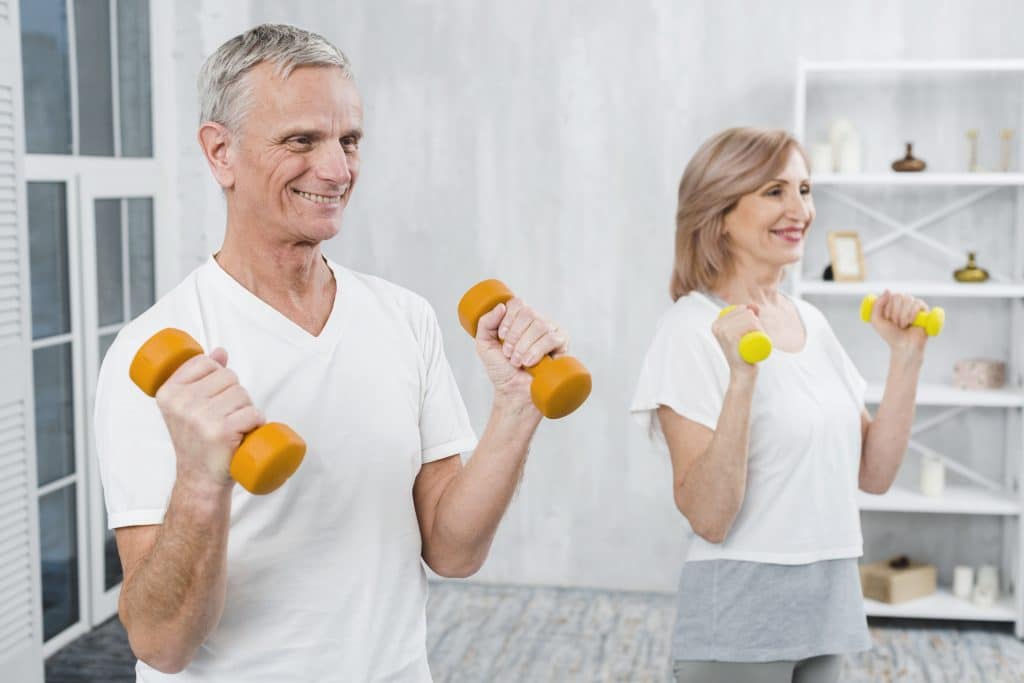
- Free Weights and Machines: Moderate resistance training with dumbbells or gym equipment helps preserve muscle mass and boost metabolic health.
Research indicates that even older adults who start strength training later in life can gain significant improvements in muscle strength, metabolic function, and overall health. Additionally, studies link resistance training to a lower risk of cardiovascular disease, diabetes, and reduced all-cause mortality.
Balance and Flexibility Workouts
Balance and flexibility exercises are essential for fall prevention and joint health. A loss of balance can significantly impact independence and quality of life.
Effective exercises include:
- Tai Chi: Gentle, flowing movements improve balance, coordination, and mental focus.
- Yoga and Stretching: Enhances flexibility, core strength, and joint mobility.
- Chair Exercises: Ideal for those with limited mobility, chair exercises target strength and flexibility safely.
Incorporating these exercises 2-3 times per week can enhance posture, reduce the risk of injury, and support daily functional movements.
Integrating Wearable Technology
Wearable devices are becoming an increasingly popular tool for healthy aging. Smartwatches, fitness trackers, and smart clothing provide real-time feedback on heart rate, activity levels, and sleep patterns. They also help older adults monitor progress and set achievable fitness goals.
Benefits of wearable technology include:
- Personalized activity tracking and recommendations
- Alerts for inactivity, encouraging movement throughout the day
- Monitoring heart rate and oxygen saturation for safety
- Integration with apps to track diet, hydration, and sleep
In 2025, wearable technology is considered one of the top trends in senior fitness, providing motivation, safety, and data-driven insights.
Designing a Fitness Routine for Healthy Aging
Creating a sustainable fitness routine requires balance. A well-rounded program combines cardiovascular, strength, flexibility, and balance exercises.
Sample weekly plan:
| Day | Exercise Focus |
|---|---|
| Monday | Low-impact cardio (walking, swimming) |
| Tuesday | Strength training (resistance bands, free weights) |
| Wednesday | Flexibility and balance (yoga, Tai Chi) |
| Thursday | Low-impact cardio |
| Friday | Strength training |
| Saturday | Outdoor activity (cycling, hiking) |
| Sunday | Rest or gentle stretching |
Additional tips for success:
- Start slowly and progress gradually to prevent injury
- Include warm-up and cool-down sessions for safety
- Listen to your body and adapt routines as needed
- Seek professional guidance for personalized programs
Benefits of Consistent Fitness in Later Life
Engaging in regular fitness routines promotes multiple dimensions of health:
- Improved Cardiovascular Health: Regular activity lowers blood pressure, improves cholesterol levels, and strengthens the heart.
- Enhanced Muscle and Bone Strength: Strength training reduces sarcopenia, maintains bone density, and improves overall mobility.
- Better Mental Health: Exercise stimulates endorphins and neurotrophic factors, supporting mood, memory, and cognitive performance.
- Reduced Fall Risk: Balance and flexibility exercises enhance coordination and stability.
- Longevity and Quality of Life: Healthy habits can increase lifespan while improving independence and day-to-day function.
Challenges and Considerations
Despite the benefits, older adults may face obstacles:
- Accessibility: Not all seniors have access to gyms or specialized equipment.
- Health Conditions: Pre-existing conditions require modifications to exercise routines.
- Motivation and Consistency: Adherence to fitness programs can be challenging without social support or routine planning.
- Safety Concerns: Incorrect form or excessive intensity can lead to injury.
Solutions include using home-friendly workouts, engaging in group classes for social motivation, and leveraging virtual fitness platforms to provide guidance and accountability.
Future Trends in Fitness for Healthy Aging
Emerging trends in 2025 are shaping how older adults approach fitness:
- Virtual and Online Fitness Classes: Accessible from home, these platforms offer personalized instruction and community engagement.
- AI-Powered Personal Training: AI algorithms provide tailored recommendations based on activity data, health metrics, and goals.
- Integration with Health Monitoring: Wearables paired with telemedicine platforms allow healthcare providers to monitor exercise routines and provide real-time adjustments.
- Mind-Body Integration: Programs increasingly combine physical activity with mindfulness and cognitive exercises to enhance overall well-being.
These trends indicate that maintaining health in later life is becoming more interactive, personalized, and technology-driven.
Conclusion
Fitness routines that promote healthy aging are evolving beyond simple exercise prescriptions. In 2025, the integration of low-impact cardio, strength training, balance and flexibility work, and wearable technology provides older adults with tools to maintain independence, vitality, and well-being.
By designing balanced, personalized routines, embracing new technology, and focusing on consistency, individuals can significantly improve cardiovascular health, muscle strength, balance, and mental clarity. The future of aging healthily lies in proactive, evidence-based fitness routines that are adaptable to lifestyle changes and supported by ongoing scientific research.
Ultimately, adopting fitness practices for healthy aging is not just about extending life—it’s about enhancing the quality of life, maintaining autonomy, and fostering resilience as we age.
References
- Physical activity- https://www.who.int
- the heidelberg guidelines for promoting physical activity- https://iris.who.int
- Replacing TV watching with exercise could promote healthy aging- https://hsph.harvard.edu

 Interior Design Solutions That Encourage Productivity