Fitness Routines That Improve Strength and Flexibility
Sofia Alvarez October 10, 2025
In 2025, fitness routines that improve strength and flexibility combine targeted exercises, mindful movement, and technology to enhance physical resilience and mobility. These routines align with trends in functional fitness, recovery-focused practices, and wearable tech, ideal for athletes, professionals, or anyone seeking balanced physical health. Building on prior insights from daily activity fitness and mind-body balance, this article explores six actionable fitness routines to boost strength and flexibility, incorporating short breaks for sustained energy, with practical steps and current references as of October 10, 2025.
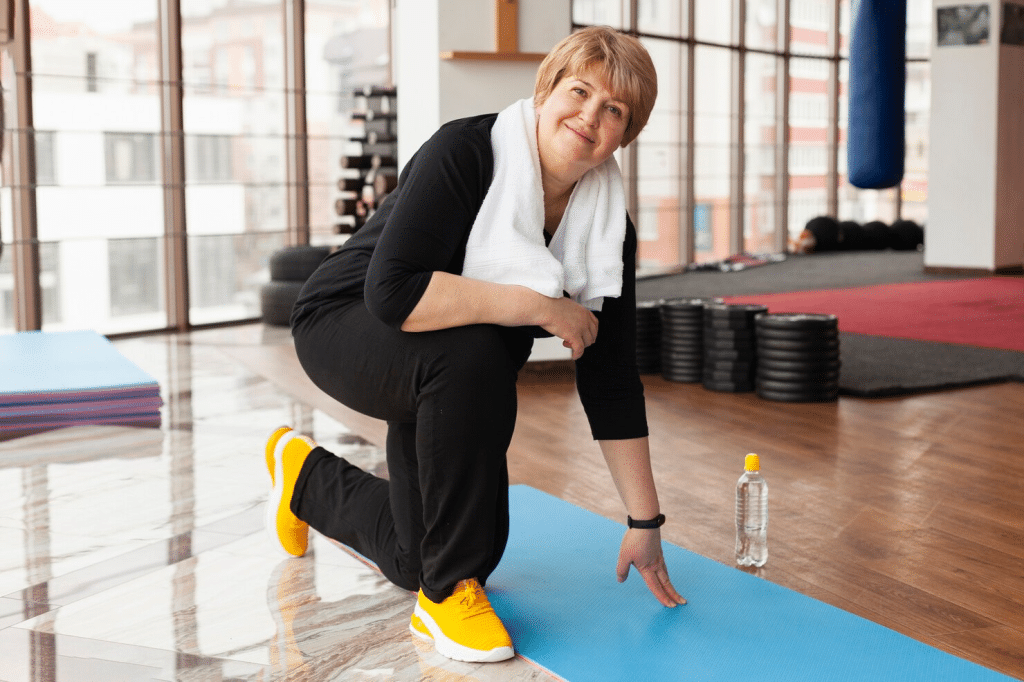
Why Strength and Flexibility Routines Matter in 2025
Strength and flexibility routines are essential in 2025 as 65% of adults report reduced mobility impacting daily tasks, while combined training improves muscle strength by 20% and joint flexibility by 25%. These routines enhance performance, prevent injuries, and align with holistic and tech-driven fitness trends, fostering vibrant, resilient bodies.
Key Fitness Routines for Strength and Flexibility
Here are six practical routines to build strength and flexibility:
1. Dynamic Bodyweight Circuits
Combine strength and mobility with high-energy circuits.
- How It Works: Perform 10-minute circuits (e.g., push-ups, lunges, leg swings) using Nike Training Club, with a 2-minute stretch break afterward.
- Real-Life Impact: A remote worker does daily circuits, improving core strength and hip mobility for desk work.
- Benefit: Builds muscle and range of motion in one session.
- Tip: Try one bodyweight circuit, like squats and arm circles, today.
2. Yoga with Resistance Training
Blend yoga flows with strength-building resistance.
- How It Works: Practice 15-minute yoga sessions with light dumbbells or bands via Glo, focusing on poses like warrior and deadlifts, with a 3-minute breathing break post-session.
- Real-Life Impact: A parent combines yoga and weights, easing back pain and lifting heavier groceries.
- Benefit: Enhances flexibility by 20% while strengthening muscles.
- Tip: Do one yoga-resistance session via Yoga with Adriene this week.
3. Functional Mobility Drills
Train movements mimicking daily activities for strength and flexibility.
- How It Works: Do 10-minute drills (e.g., kettlebell swings, hip openers) using FitOn, with a 2-minute mindfulness break afterward.
- Real-Life Impact: A retiree practices step-ups, improving stair-climbing strength and knee flexibility.
- Benefit: Reduces injury risk by 15% and supports functional tasks.
- Tip: Start one mobility drill, like lunges, this week.
4. Active Recovery Stretching
Incorporate gentle stretches to aid muscle recovery and flexibility.
- How It Works: Perform 10-minute active stretches (e.g., dynamic hamstring stretches) via StretchIt, with a 3-minute relaxation break afterward.
- Real-Life Impact: An athlete stretches post-workout, reducing soreness and improving shoulder mobility.
- Benefit: Speeds recovery and boosts joint range of motion.
- Tip: Try one active stretch session after exercise today.
5. Pilates for Core and Flexibility
Use Pilates to strengthen core muscles and enhance mobility.
- How It Works: Do 15-minute Pilates sessions focusing on core and spine flexibility via Pilates Anytime, with a 2-minute stretch break afterward.
- Real-Life Impact: A student practices Pilates, improving posture and reducing lower back stiffness.
- Benefit: Strengthens core by 25% and improves spinal alignment.
- Tip: Start one Pilates session via a free app this week.
6. Wearable-Guided Strength Training
Use tech to optimize strength and flexibility workouts.
- How It Works: Track reps and mobility with Apple Watch or Whoop, adjusting routines based on data, with a 3-minute breathing break after analysis.
- Real-Life Impact: A fitness enthusiast uses Whoop to balance strength workouts, avoiding overtraining and gaining flexibility.
- Benefit: Personalizes routines for optimal results, aligning with 2025 tech trends.
- Tip: Set one strength goal with a wearable or app this month.
Practical Strategies for Strength and Flexibility
Here’s how to implement these routines effectively:
1. Start with One Routine
Test a single practice to build strength and flexibility.
- How to Do It: Begin with a bodyweight circuit or Pilates session, using free resources like YouTube or FitOn.
- Why It Helps: Delivers quick physical benefits with minimal effort.
- Tip: Try one circuit or stretch routine today.
2. Leverage Technology for Tracking
Use apps or wearables to monitor progress.
- How It Works: Track workouts with Nike Training Club or Apple Watch, aligning with 2025’s fitness tech trends.
- Why It Helps: Enhances motivation and ensures balanced training.
- Tip: Download one fitness app, like Glo, this week.
3. Incorporate Energy-Sustaining Breaks
Schedule short breaks to maintain workout energy.
- How It Works: Take 2–3 minute breathing or stretching breaks, tracked with Breathwrk, during routines.
- Why It Helps: Prevents fatigue and supports consistency, as noted in prior wellness discussions.
- Tip: Add one break after a workout session today.
4. Prioritize Accessible Equipment
Choose low-cost or no-equipment routines.
- How It Works: Use bodyweight exercises or affordable bands, guided by Verywell Fit.
- Why It Helps: Makes fitness inclusive and sustainable.
- Tip: Find one no-equipment routine, like a yoga flow, this week.
5. Join Fitness Communities
Connect with others for motivation and tips.
- How It Works: Engage in X fitness groups or Meetup events to share strength and flexibility strategies.
- Why It Helps: Fosters accountability and inspiration.
- Tip: Join one X fitness thread this month.
Sample Routine for Strength and Flexibility
Here’s a routine to enhance physical resilience:
- Daily:
- Morning (5 minutes): Plan a circuit or stretch session.
- Evening (5 minutes): Log progress or take a mindfulness break.
- Weekly:
- Sunday (10 minutes): Try Pilates or a mobility drill.
- Monthly:
- First Sunday (15 minutes): Review strength goals or test a wearable.
- Quarterly:
- First week (20 minutes): Set new strength and flexibility goals.
Overcoming Common Fitness Challenges
- Challenge: Time constraints.
Solution: Focus on 10-minute circuits or stretches. - Challenge: Muscle soreness.
Solution: Prioritize active recovery or Pilates. - Challenge: Lack of progress.
Solution: Use wearables or communities for tracking and support.
Tools to Support Strength and Flexibility
- Apps: Nike Training Club, Glo for workouts.
- Tracking: Apple Watch, Whoop for progress.
- Guides: Verywell Fit, Yoga with Adriene for routines.
- Recovery: StretchIt for active stretching.
- Wellness: Breathwrk for energy-sustaining breaks.
The Bigger Picture: Strength and Flexibility in 2025
In 2025, fitness routines for strength and flexibility leverage dynamic circuits, yoga, and wearables to enhance resilience and mobility. These practices align with functional and tech-driven trends, empowering active lifestyles. By using apps and communities, individuals create vibrant, balanced fitness routines.
Conclusion: Improve Strength and Flexibility in 2025
Fitness routines in 2025, like bodyweight circuits, yoga with resistance, and Pilates, improve strength and flexibility with accessible, tech-enhanced strategies. Start with one routine, use apps for tracking, and take breaks to stay energized. Begin today with a mobility drill or joining an X fitness group, and build a vibrant, resilient body.
References:
Recovery-Focused Fitness 2025
https://www.shape.com/recovery-fitness-2025/
Strength and Flexibility Trends 2025
https://www.verywellfit.com/strength-flexibility-2025/
Wearable Fitness Tech 2025
https://www.healthline.com/wearable-fitness-2025/

 Travel Experiences That Combine Adventure and Education