Gardening Ideas That Support Healthy Soil
Isabella Rossi September 23, 2025
As the demand for sustainable living and environmentally friendly practices grows, one area that continues to capture the attention of gardeners, environmentalists, and farmers alike is soil health. Healthy soil is the foundation for thriving plants and gardens, and it plays a critical role in combating climate change, promoting biodiversity, and ensuring long-term agricultural productivity. In 2025, gardeners are increasingly turning to innovative methods that not only enhance the fertility and structure of soil but also prioritize sustainability and resilience.
In this article, we’ll explore some of the most effective and emerging gardening ideas that support healthy soil, backed by the latest research and trends in the field. Whether you’re a seasoned gardener or a beginner, these practices will help you improve soil health, increase plant growth, and create a more sustainable gardening ecosystem.
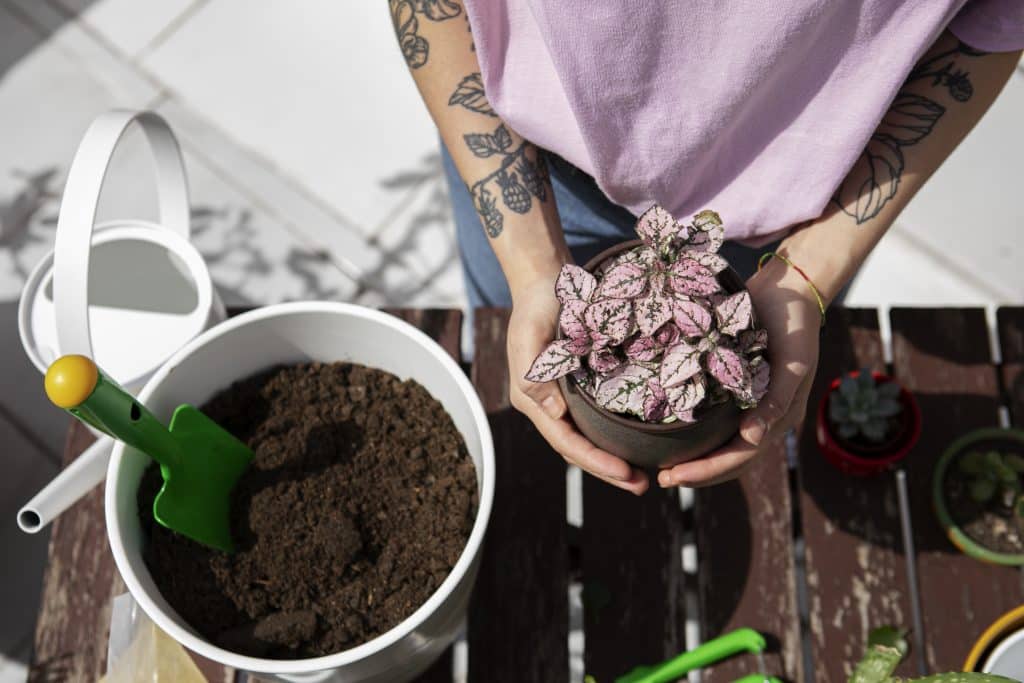
1. No-Till Gardening: Preserving Soil Structure and Biodiversity
One of the best ways to enhance soil health is by reducing the disturbance caused by tilling. No-till gardening, which involves planting without tilling the soil, has become a popular practice for those who want to maintain soil structure and promote healthy ecosystems.
Why It Works
Tilling disrupts the natural layers of the soil, leading to erosion, compaction, and the loss of vital nutrients. By avoiding tilling, no-till gardening helps protect the soil’s natural structure and encourages the growth of beneficial microorganisms. These microorganisms help break down organic matter and keep the soil rich in nutrients.
Research findings:
- According to the Soil Science Society of America, no-till gardening can increase organic matter, improve soil aeration, and help retain water more effectively.
- A study published in the Journal of Environmental Management highlights that no-till farming increases microbial diversity, which is essential for long-term soil health.
How to Implement
- Start small: Begin by planting in small patches without disturbing the soil. Use mulch or cover crops to keep weeds in check.
- Invest in the right tools: Use tools like broadforks or specialized no-till seeders that allow you to plant in undisturbed soil.
2. Composting: Adding Nutrients to the Soil Naturally
Composting is one of the simplest and most effective ways to boost soil health. By turning kitchen scraps and yard waste into nutrient-rich compost, gardeners can enrich their soil with organic matter, improve soil structure, and encourage beneficial organisms.
Why It Works
Compost is rich in nutrients like nitrogen, phosphorus, and potassium, which are essential for plant growth. It also improves soil structure, making it more friable, allowing roots to penetrate more easily. Additionally, compost helps retain moisture and enhances microbial activity in the soil, leading to healthier plants.
The Environmental Impact of Composting:
- The Environmental Protection Agency (EPA) notes that composting reduces the need for chemical fertilizers, which can be harmful to both the environment and soil health.
- According to the Rodale Institute, composting helps build up soil organic matter, which is crucial for soil fertility and long-term plant health.
How to Implement
- Start a compost bin: Collect kitchen scraps like fruit and vegetable peels, coffee grounds, and yard waste such as grass clippings and leaves.
- Balance your compost: Ensure a balance of “greens” (nitrogen-rich materials) and “browns” (carbon-rich materials) for optimal decomposition.
- Apply compost: Spread a thin layer of compost on garden beds to improve soil quality and nourish plants.
3. Cover Crops: Protecting the Soil Between Growing Seasons
Cover crops are plants grown primarily to protect and improve the soil during the off-season. These crops, such as clover, vetch, and rye, are excellent for preventing soil erosion, adding organic matter, and improving soil fertility.
Why It Works
Cover crops help reduce soil erosion, especially during the winter months when soil is vulnerable. Certain cover crops, like legumes, also fix nitrogen in the soil, enriching the soil with this essential nutrient. They also help improve soil structure and prevent weed growth.
Research Findings:
- A study from the University of California Agriculture and Natural Resources shows that cover crops help increase soil organic matter, improve water retention, and reduce the need for synthetic fertilizers.
- According to The Rodale Institute, cover crops help increase biodiversity in the soil and reduce the need for chemical herbicides.
How to Implement
- Choose the right crops: Select cover crops suited for your region and the time of year. For instance, clover or vetch for nitrogen fixation, or rye for soil protection.
- Plant cover crops between growing seasons: After harvesting your main crops, sow cover crops to protect the soil.
- Tillage: When ready to plant your next crop, till the cover crop into the soil to provide additional organic matter.
4. Vermiculture: Boosting Soil Fertility with Worms
Vermiculture, or worm farming, is an innovative method of enriching the soil using worms to break down organic materials and produce nutrient-dense worm castings. These castings are packed with beneficial microorganisms and essential nutrients for plant growth.
Why It Works
Worm castings are rich in nutrients such as nitrogen, phosphorus, and potassium, which plants need for optimal growth. Worms also help aerate the soil, improve water retention, and boost microbial activity, creating a more fertile and thriving ecosystem for plants.
The Benefits of Vermiculture:
- According to the University of California, worm castings can increase plant growth by improving soil fertility and boosting microbial activity.
- The National Organic Program supports vermiculture as a natural and sustainable way to enhance soil health.
How to Implement
- Start a worm bin: Set up a small bin for composting with red wiggler worms, which are best for composting.
- Feed your worms: Provide organic materials like vegetable scraps, coffee grounds, and paper waste for the worms to process.
- Use the castings: Harvest the worm castings and incorporate them into your garden beds to improve soil health.
5. Agroforestry: Combining Trees and Crops for Sustainable Soil Management
Agroforestry, the practice of integrating trees with crops or livestock, is an emerging trend that improves soil health while promoting sustainability. This practice has gained traction due to its ability to increase soil fertility, improve water retention, and support biodiversity.
Why It Works
The integration of trees into agricultural systems helps protect soil from erosion and compaction. Trees also contribute to soil fertility by adding organic matter, enhancing water retention, and promoting microbial diversity. Additionally, agroforestry systems can sequester carbon, making them beneficial for climate change mitigation.
Research Findings:
- According to the World Agroforestry Centre, agroforestry systems increase soil fertility and biodiversity while reducing the impact of climate change.
- A study by the University of California showed that agroforestry practices improve water retention, reduce runoff, and support sustainable farming systems.
How to Implement
- Select the right trees: Choose trees that complement the crops you’re growing and help improve soil structure without competing for resources.
- Mix crops and trees: Plant crops beneath or around trees to optimize land use and enhance soil health.
- Consider nitrogen-fixing trees: Plant legumes like acacia trees to fix nitrogen in the soil, reducing the need for synthetic fertilizers.
Conclusion: Sustainable Gardening Practices for Healthier Soil
In 2025, soil health remains a crucial element of sustainable gardening. By implementing practices like no-till gardening, composting, cover crops, vermiculture, and agroforestry, gardeners can promote healthier soil while reducing environmental impacts. These sustainable gardening practices not only help improve soil fertility but also contribute to long-term agricultural sustainability and climate resilience.
As gardeners continue to face the challenges of climate change and resource depletion, these innovative practices offer a pathway toward healthier soils, thriving plants, and a more sustainable future for gardening and farming alike.
References
- Multispecies Cover Crops & Living Mulches- https://www.nature.com
- Enhanced Weathering & Mineral Amendments- https://arxiv.org
- Regenerative Microbial Restoration and “Soil Food Web” Practices- https://www.theguardian.com

 Everyday AI Tools That Might Change How You Live