Gardening Techniques That Improve Soil Health
Isabella Rossi September 22, 2025
Healthy soil is the cornerstone of productive gardens, vibrant landscapes, and sustainable food systems. In 2025, gardeners are increasingly adopting innovative techniques that prioritize long-term soil health over quick fixes. Maintaining fertile soil not only boosts plant growth but also enhances water retention, supports biodiversity, and reduces the need for synthetic fertilizers.
This article explores the latest emerging trends in soil health management, focusing on biochar integration, compost tea application, strategic use of cover crops, and complementary practices that together create thriving, resilient soil ecosystems. These gardening techniques that improve soil health are practical, effective, and increasingly accessible for gardeners of all experience levels.
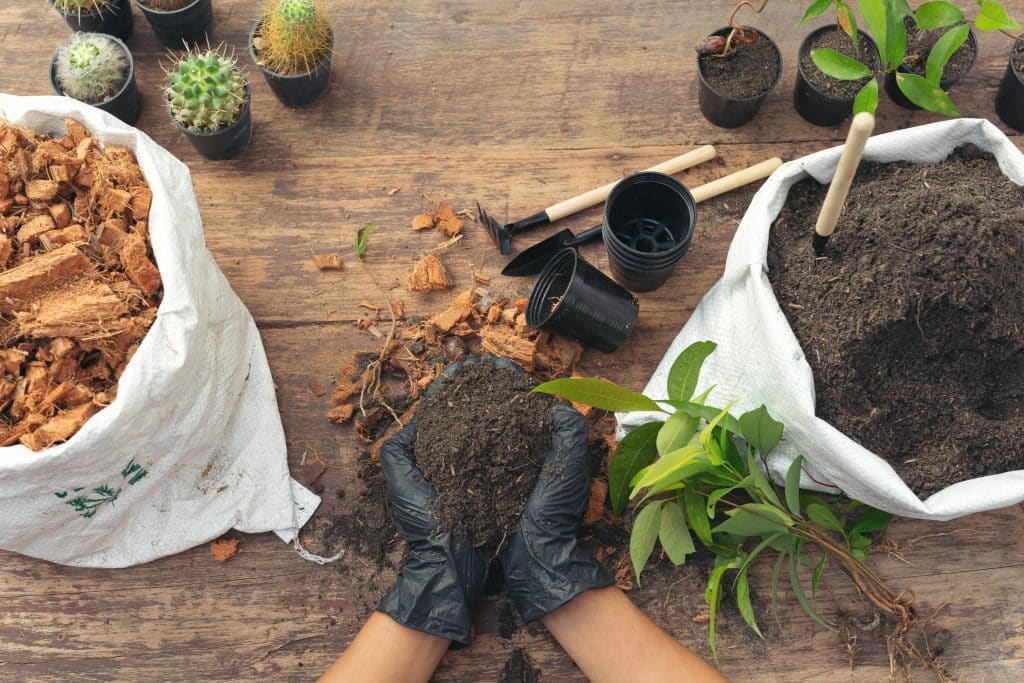
Understanding Soil Health and Its Importance
Before exploring specific techniques, it’s essential to understand what constitutes soil health. Soil health refers to the soil’s ability to sustain plant growth, maintain environmental balance, and support microbial life. Key indicators include:
- Organic Matter Content: The presence of decomposed plant and animal materials, which supply nutrients and improve soil structure.
- Microbial Diversity: A thriving soil microbiome contributes to nutrient cycling and disease suppression.
- Soil Structure and Porosity: Well-structured soil allows roots to penetrate easily and water to drain appropriately.
- Nutrient Availability: Balanced levels of nitrogen, phosphorus, potassium, and micronutrients are critical for healthy plant growth.
- Water Retention and Drainage: Healthy soil retains enough water for plants while preventing waterlogging.
By improving these aspects, gardeners can reduce dependency on chemical inputs, improve yields, and create sustainable, self-sufficient garden ecosystems.
1. Biochar: A Powerful Soil Amendment
Biochar has emerged as a leading tool for improving soil health. Produced by pyrolyzing organic material (such as wood chips or agricultural waste) in low-oxygen conditions, biochar is a stable, carbon-rich substance that offers multiple benefits when added to soil.
Benefits of Biochar
- Enhanced Soil Structure: Biochar’s porous texture improves aeration and drainage, creating a better environment for root growth.
- Microbial Habitat: The porous structure provides shelter for beneficial microbes, enhancing soil biodiversity.
- Nutrient Retention: Biochar binds nutrients, reducing leaching and making them more available to plants.
- Carbon Sequestration: Incorporating biochar into soil traps carbon, contributing to climate change mitigation.
How to Use Biochar in Your Garden
- Combine With Compost: Mixing biochar with compost before application enhances nutrient absorption and microbial colonization.
- Apply Gradually: Start with small quantities (around 5–10% of the soil volume) to assess plant response.
- Incorporate Into Soil: Spread evenly and lightly till into the topsoil to ensure even distribution.
Gardeners are increasingly using biochar not just for annual crops but also for perennial plantings, orchards, and vegetable gardens to improve long-term soil fertility.
2. Compost Tea: Feeding Soil Microbes Naturally
Compost tea is a liquid extract brewed from high-quality compost that contains beneficial microorganisms, nutrients, and organic matter. It acts as a natural fertilizer and soil conditioner.
Benefits of Compost Tea
- Nutrient-Rich Fertilizer: Provides nitrogen, phosphorus, potassium, and micronutrients in a form easily absorbed by plants.
- Disease Suppression: Beneficial microbes can outcompete harmful pathogens, reducing soil-borne diseases.
- Enhanced Soil Microbial Activity: Regular application boosts microbial diversity, essential for nutrient cycling and soil health.
- Improved Root Development: Nutrient-rich teas stimulate root growth and overall plant vigor.
How to Brew and Apply Compost Tea
- Select Quality Compost: Use well-matured compost free from chemical residues.
- Aerate Properly: Steep compost in water for 24–48 hours, aerating to encourage microbial growth.
- Apply to Soil and Foliage: Pour over the soil around plants and spray lightly on leaves to enhance disease protection.
Compost tea is an eco-friendly solution for gardeners seeking to minimize chemical fertilizers while supporting sustainable soil ecosystems.
3. Cover Crops: Growing Soil Health Year-Round
Cover crops, or green manure, are planted not for harvest but to improve soil health. These plants are typically grown between main crops or during fallow periods to enhance fertility and prevent degradation.
Benefits of Cover Crops
- Nitrogen Fixation: Legumes such as clover and vetch capture atmospheric nitrogen and enrich the soil naturally.
- Erosion Prevention: Root systems stabilize soil and reduce erosion, especially in off-seasons.
- Weed Suppression: Dense growth of cover crops outcompetes weeds, reducing the need for herbicides.
- Organic Matter Contribution: When tilled into the soil, cover crops add organic matter and improve soil structure.
Implementing Cover Crops
- Select the Right Crop: Choose species based on soil type, climate, and garden goals.
- Plant Strategically: Sow between main crops or during fallow periods to maximize benefits.
- Incorporate Properly: Cut and lightly till cover crops into the soil before flowering to optimize nutrient contribution.
Many gardeners are adopting mixed-species cover crops to achieve a combination of nitrogen fixation, erosion control, and biodiversity support.
4. No-Till and Reduced-Till Gardening
Reducing soil disturbance is a growing trend in sustainable gardening. No-till or minimal-till practices protect soil structure and promote microbial health.
Benefits of No-Till Gardening
- Preserves Soil Microbes: Minimizes disruption of beneficial organisms and fungi networks.
- Reduces Erosion: Maintains soil cover and reduces the impact of heavy rain.
- Improves Water Retention: Soil structure remains intact, allowing better infiltration.
Implementing no-till techniques can be as simple as planting directly into mulch-covered soil or using raised beds with minimal digging.
5. Integrating Organic Mulches
Organic mulches, such as straw, wood chips, and shredded leaves, are more than just protective ground cover—they actively improve soil health.
Benefits of Organic Mulches
- Moisture Retention: Reduce evaporation and maintain consistent soil moisture.
- Temperature Regulation: Protect roots from extreme heat and cold.
- Nutrient Addition: Gradually decompose, adding organic matter to the soil.
- Weed Suppression: Limit weed growth by blocking sunlight.
Practical Tips for Implementing Emerging Soil Techniques
- Assess Soil Health First: Conduct a soil test to determine pH, nutrient levels, and organic matter content.
- Plan Seasonally: Integrate cover crops, compost applications, and biochar before planting cycles.
- Combine Methods: Use biochar with compost tea, and follow with cover crops for maximum benefits.
- Monitor and Adjust: Observe plant growth and soil condition to refine your approach each season.
- Encourage Biodiversity: Introduce pollinator-friendly plants and avoid chemical pesticides to support soil ecosystems.
By thoughtfully combining these practices, gardeners can achieve long-term improvements in soil health, productivity, and environmental sustainability.
Conclusion
Gardening techniques that improve soil health are evolving rapidly, with trends like biochar use, compost tea, cover cropping, no-till gardening, and organic mulching becoming mainstream in 2025. These practices go beyond simple plant care—they address the root causes of soil degradation and foster resilient, nutrient-rich ecosystems.
Adopting these techniques allows gardeners to grow healthier plants, reduce chemical dependency, conserve water, and contribute to broader environmental goals. By integrating multiple strategies and tailoring them to local conditions, gardeners can cultivate soil that sustains productivity for years to come.
Healthy soil is the foundation of sustainable gardening, and 2025 offers an unprecedented range of tools and techniques to support it.
References
- Enhancing Soil Health with Biochar- https://www.frontiersin.org
- Biochar’s Impact on Soil Fertility and Microbial Diversity- https://www.sciencedirect.com
- Impacts of Compost Tea in Organic Cultivation- https://tajet.com.ng

 Nutrition Practices That Improve Energy and Focus