Interior Decor Ideas That Reflect Individual Style
Isabella Rossi September 22, 2025
Cookie-cutter design is fading fast. In 2025, the design world is embracing interior decor ideas that reflect individual style through eclectic, personality-driven spaces layered with sustainable choices. Forget trend-chasing—home decor is increasingly about authenticity, intention, and what feels right for you.
If you’re looking to personalize your home while staying current with emerging design trends, this guide breaks down how you can use the rise of eclectic personalization and sustainable design to create spaces that reflect your identity and values—without sacrificing beauty, comfort, or function.
Why Interior Design is Shifting Toward Personalization
The days of perfectly staged Pinterest homes with identical grey sofas and white marble everything are behind us. In their place, homeowners and renters alike are seeking designs that reflect their lifestyles, cultures, values, and experiences.
Several forces are behind this shift:
- Pandemic lifestyle changes made people rethink how they use space and what makes them feel comfortable.
- Gen Z and younger millennials are driving demand for expressive, mixed-style interiors that reflect their digital-native, culturally diverse upbringing.
- Climate consciousness is influencing purchasing behavior—people want eco-friendly materials, vintage items, and decor that tells a story, not just fills a room.
- According to the 2025 Houzz Emerging Trends Study, over 68% of homeowners now prioritize personal expression over resale value when redesigning spaces.
What Is Eclectic Personalization?
Eclectic personalization is not a single style—it’s a framework that blends elements from multiple styles, eras, cultures, and material palettes into a cohesive and unique space.
Key Elements:
- Mixing vintage and modern furniture: A mid-century chair with a rustic reclaimed table.
- Combining textures: Velvet, rattan, concrete, raw wood, all layered together.
- Displaying personal artifacts: Art you made, books you love, travel mementos.
- Using color intentionally: Not just trending shades, but colors that evoke personal meaning or comfort.
- Creating non-linear layouts: Spaces that feel lived in and adaptive to your needs, not showroom-staged.
This style doesn’t follow rules—it’s about building a visual narrative that reflects you.
The Rise of Sustainable Decor as a Style Statement
Sustainability is no longer just a buzzword—it’s a major design influence. And it fits naturally with the ethos of individual style: making conscious, intentional choices that matter.
Current Sustainable Decor Trends:
- Vintage and secondhand furniture: Reduces waste and adds character.
- Low-VOC and non-toxic paints and finishes: Better for health and the planet.
- Natural materials: Wood, linen, wool, jute, clay, and stone are in high demand.
- Upcycling and DIY projects: Refresh old items instead of replacing them.
- Energy-conscious lighting: LED, solar-powered, and mood lighting with timers.
Interior designers like Justina Blakeney and Leanne Ford emphasize sustainability as not only responsible but deeply stylish when combined with eclectic interiors.
According to a 2024 NielsenIQ sustainability report, 73% of consumers under 40 are willing to pay more for sustainable home products, especially when paired with personal aesthetic value.
How to Create Interior Decor That Reflects Your Style in 2025
Ready to make your space feel truly yours? Here’s how to turn the emerging trends into practical, personal design.
Step 1: Start With What You Own
Before buying anything new:
- Audit your current decor: What items make you feel good or hold emotional value?
- Identify keepers: Sentimental items, inherited pieces, DIY projects, favorite colors or textures.
- Spot themes: You might naturally lean toward boho, industrial, minimalist, or art deco, even without knowing it.
This step helps anchor your space with authentic elements—an essential part of interior decor ideas that reflect individual style.
Step 2: Choose a Core Style…Then Break the Rules
Pick a foundational aesthetic (e.g., Japandi, Art Deco, Rustic Modern), but don’t feel bound by it.
Example:
Start with a minimal Scandinavian base—neutral walls, simple lines—and layer it with bold artwork, vintage rugs, or a handmade ceramic lamp.
Combining styles creates tension and personality. Just maintain a common visual thread (such as a color palette, recurring material, or shape) for cohesion.
Step 3: Use Color and Pattern with Intention
In 2025, bold color is back—but not just for shock value. Designers recommend using:
- Colors that make you feel something (calm, inspired, nostalgic)
- Contrasting palettes—pair soft pastels with bold earth tones
- Unexpected color in functional spaces like kitchens and bathrooms
- Pattern play in wallpaper, rugs, textiles, or art (try stripes with florals or abstract prints)
According to color expert Eve Ashcraft, “When color choices are emotional, they age better and feel more authentic over time.”
Step 4: Source Decor Sustainably
Make personalization purposeful by choosing items with longevity and ethics:
- Shop vintage or local artisans to find one-of-a-kind pieces
- Avoid fast furniture—opt for items that age well and can be refinished
- Invest in quality lighting and rugs—they anchor a space
- DIY when possible: Paint a thrifted table, repurpose an old cabinet
Don’t just buy—curate.
Step 5: Show Your Story Through Objects
What makes a room yours? Things that reflect who you are. Consider including:
- Framed photos—not just posed ones, but candid or vintage family shots
- Travel finds—textiles, ceramics, or wall art
- Personal collections—vinyl, film cameras, handmade objects
- Books, art, or crafts you’ve made or love
Designers call this “emotional layering”—and it’s what separates staged rooms from lived-in ones.
Step 6: Embrace Imperfection & Flexibility
2025’s decor trend is about progress, not perfection. Your space should evolve as your life does.
- Let rooms be unfinished—it’s okay for your collection to grow slowly
- Move pieces around seasonally or when your mood shifts
- Mix high and low—pair a thrifted lamp with a designer chair
- Celebrate quirks—chips in ceramics, worn finishes, uneven textures
This not only supports sustainability but also adds soul.
Bonus: Decor Ideas by Personality
Here’s how different personal identities might shape their spaces using this approach:
- The Creative: Bold paint, gallery walls, sculptural furniture, DIY upcycled art.
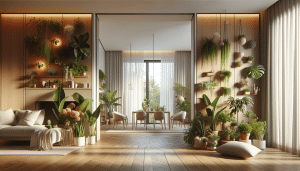
- The Minimalist Environmentalist: Earthy tones, low-waste furniture, plants, natural textures.
- The Maximalist Historian: Eclectic vintage finds, patterned wallpaper, historical motifs, books.
- The World Traveler: Layered global textiles, maps, travel art, multicultural objects.
The idea? Decor that looks like your life—not a showroom.
Industry Backing & Expert Sources
- Houzz 2025 Trend Report: 68% of respondents prefer style expression over resale value.
- NielsenIQ (2024): 73% of Gen Z and millennials value sustainable products in home design.
- Fixr Design Forecast (2025): Lists personalization and reuse as top rising decor values.
- Vogue Living (2025): Notes shift from trend-chasing to intentional, expressive design.
Final Thoughts: Your Space, Your Statement
Interior decor ideas that reflect individual style are no longer optional—they’re the standard in 2025. Whether you lean into vintage maximalism, clean eco-minimalism, or something wildly in between, the common thread is authenticity.
Don’t worry about whether it’s trendy. Ask: Does it feel like me?
If the answer is yes, then you’re right on trend.
References
- interior decor ideas that reflect individual style- https://www.thesun.co.uk
- Embracing Handcrafted Textures and Artisanal Pieces- https://www.elledecor.com
- Sustainable and Natural Materials: A Nod to Nature- https://www.artsy.net

 Smart Finance Tools That Help Manage Daily Expenses