Hidden Benefits of Minimalist Home Decor You Never Imagined
Sofia Alvarez September 29, 2025
Discover the quietly transformative impact of minimalist home decor on both your living space and mental well-being. This guide reveals practical tips, surprising benefits, and how simplicity can craft a peaceful, stylish environment with minimal effort and cost.
The Essence of Minimalist Home Decor
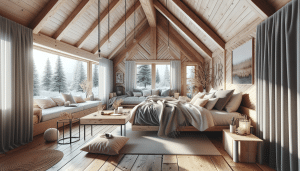
Minimalist home decor has surged in popularity, captivating those who crave serenity and function. The essence of this style lies in prioritizing simplicity, clean lines, and thoughtful space usage. Instead of cluttering every corner with furniture or knick-knacks, minimalist design curates essential items that serve both an aesthetic and practical role. This approach not only helps cut down on visual chaos but also introduces a calming influence to any room. Minimalism empowers individuals to make deliberate choices, elevating meaningful pieces while removing distractions. Rooms decorated this way feel airy, open, and genuinely relaxing—a welcome contrast to a busy world outside.
At its core, minimalist home decor isn’t about depriving oneself of comfort or personality. Instead, it encourages mindfulness and a shift toward quality over quantity. For many, transitioning to minimalism is also a way to reclaim space and time, as less furniture and fewer trinkets mean less cleaning and maintenance. Environmental benefits follow, too, since a minimalist home focuses on sustainable choices and often incorporates natural materials. Whether you live in a spacious house or a modest apartment, this design philosophy adapts effortlessly and brings out the best in your living environment. It’s timeless, adaptable, and surprisingly attainable for various budgets.
Designers and homeowners alike point out that minimalist decor fosters positive mental effects. Reduced clutter can lessen anxiety and promote better focus, making activities like reading, working, or relaxing more enjoyable. Research now supports what many have intuitively felt: physical surroundings significantly impact mood and productivity (Source: https://www.apa.org/news/press/releases/2019/08/clutter-cognitive-overload). By streamlining possessions and using neutral color schemes, individuals discover unique ways to personalize their homes without creating visual stress. It’s a design trend with deep, lasting value.
Unexpected Emotional Benefits of Simplicity
Minimalist decor goes far beyond stylish interiors; it subtly nurtures emotional clarity and relaxation. Environments overly filled with objects have been linked to increased stress and even disrupted sleep. In contrast, minimalist settings allow the mind to rest, supporting relaxation and fostering mindful living. When your living space feels uncluttered, so too does your mind. You may feel lighter, more in control, and better able to concentrate on what truly matters in daily life. This effect is magnified when you blend calming color palettes, gentle lighting, and strategic open space into your decor plan.
Creating a minimalist home can also provide a sense of accomplishment. The process of decluttering prompts you to reflect on what is genuinely valuable. This introspection encourages gratitude for the things you own, helping to combat the cycle of constant consumerism and the emotional fatigue it brings. Many people find that as their environment shifts, so does their outlook—an uncluttered room often leads to a clearer, more positive mindset. By making conscious design decisions, you take active steps toward self-care that resonate in unexpected ways over time.
Clinical studies suggest that a well-ordered physical space contributes to emotional regulation and even creativity. Reducing visual distractions lets the brain process information more efficiently, making daily tasks less overwhelming (Source: https://news.stanford.edu/2019/07/18/mental-benefits-decluttering/). For families, minimalist decor can decrease friction over chores and lost items, fostering greater harmony. This emotional lift holds tremendous appeal, especially for those balancing work-from-home routines or family life.
Financial Freedom Through Style Choices
People are often surprised to discover that minimalist home decor paves the way to remarkable savings. Embracing a minimalist ethos means curating what you truly need, which often leads to buying fewer things of higher quality. Over time, this cuts down on impulse purchases and unnecessary spending. Instead of chasing fleeting trends, you can invest in timeless, versatile items that outlast seasonal fads. Many minimalist fans report that their homes feel more luxurious even with less, as each chosen piece gets showcased without distraction—proof that comfort and sophistication don’t hinge on abundance.
The sustainability movement dovetails neatly with minimalist home design. By intentionally purchasing less, you not only save money but also contribute to reducing waste and environmental impact. Minimalist homes often prioritize recycled, upcycled, or responsibly sourced materials. These decisions deliver both financial savings and the satisfaction of lowering one’s ecological footprint. As living costs rise, exploring affordable yet chic minimalist solutions becomes even more appealing, with options ranging from DIY decor swaps to selecting secondhand statement pieces that stand the test of time.
Minimalism also makes ongoing maintenance simpler and more cost-effective. Fewer possessions mean less time and money spent on cleaning, organizing, and repairing. As the years pass, individuals with minimalist spaces often find themselves replacing items less frequently, limiting their exposure to the endless loop of consumer culture. Resources and research, including advice from extension university programs, confirm that strategic downsizing in home decor encourages budgeting skills and improves financial well-being (Source: https://extension.umn.edu/healthy-home-environment/cleaner-safer-home).
Boost Productivity With an Organised Space
An organized, minimalist space doesn’t just look good—it can transform daily productivity levels. A cluttered environment can sap energy and scatter focus, making it difficult to stay on top of priorities. In a minimalist home, every zone serves a distinct function, whether it’s a serene reading corner or a streamlined workspace. This level of intention has been shown to help people transition from task to task with greater fluidity, reducing procrastination and heightening efficiency. Multiple studies emphasize the connection between clear environments and improved cognitive function, especially for those working or studying from home.
Minimalism in home offices and living areas is especially valuable. By keeping surfaces clear, cable management tight, and only essential tech visible, distractions are minimized and creativity has room to grow. Proper storage solutions—including subtly integrated shelving and hidden compartments—allow you to keep daily necessities on hand without visual clutter. This not only supports organization but also maintains a calming, visually pleasing environment. When routines feel effortless, motivation and achievement naturally follow. People notice that their stress declines and creative ideas appear more frequently in a serene, ordered environment.
Minimalist design principles work regardless of space size. Small apartments benefit from the same less-is-more approach as larger homes when it comes to organization strategies. By selecting multi-functional furniture and thoughtful storage solutions, even the tiniest studio can be transformed into a productivity-boosting haven. The end result is an interior that never feels cramped—a major win in today’s urban living landscapes (Source: https://www.houzz.com/magazine/why-does-clutter-make-us-feel-stressed-stsetivw-vs~134820264).
Finding Personal Expression Within Minimalism
Some people worry that minimalist home decor may seem impersonal. In reality, it offers a canvas for deep personal expression. By limiting elements to those most meaningful, your values and story shine through more brightly. Signature artwork or handpicked textiles pop against neutral backgrounds, creating a curated feel that feels individual, not generic. Those who practice mindful curation often discover that guests sense their unique style even more intensely than in traditional, busier spaces. Minimalist interiors make cherished possessions stand out, often sparking conversations or providing mindfulness.
Personal touches set apart every minimalist home. The trick lies in balancing simplicity with select features—like heirloom vases, favorite books, or a particular shade of wall paint. Rather than overwhelming spaces, these accents are intentionally spotlighted, honoring both form and memory. Plants, for example, are a go-to choice as they provide tranquility and a living, evolving element. This blend offers comfort without clutter and keeps routines refreshingly easy. As more people value sustainability and wellness, integrating nature has become a cornerstone of modern minimalist decor.
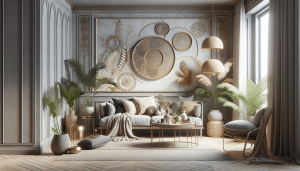
Color plays a pivotal role in personalization. Minimalist spaces need not be cold or stark; instead, they often employ soft earth tones or carefully chosen pops of color. By intentionally controlling the color palette, each room maintains cohesion while celebrating individual taste. Experts suggest exploring textures—like plush rugs, woven baskets, or tactile ceramics—to add warmth and character. The goal is an approachable, lived-in feel that’s both calming and uniquely yours (Source: https://www.architecture.com/knowledge-and-resources/knowledge-landing-page/minimalism-in-architecture-why-less-is-more).
Simple Steps for Adopting Minimalist Decor
Making the switch to minimalist home decor needn’t be daunting. Start by choosing one area—perhaps the bedroom or living room—and identifying what you genuinely use and love. Declutter surfaces by storing away or donating redundant items. Once the essentials remain, arrange them with intention. Focus on spacing and natural light to create a feeling of openness. Repeating this process in each area builds momentum and can make the whole process enjoyable rather than overwhelming. Consider using resources from reputable design institutions and home organization guides as you go.
After decluttering, think about the materials and colors that offer both practicality and beauty for your specific needs. Natural wood, neutral textiles, and soft lighting are staples in minimalist design. It’s not about purchasing all new items; instead, repurpose what you own or find affordable upgrades that serve multiple purposes. Minimalist living is also about being flexible, welcoming change, and occasionally rotating art or accent pieces to keep your space inspiring. Learning from museum exhibits or curated hotel designs can spark new ideas for your own home (Source: https://www.si.edu/spotlight/design-minimalism).
Sustainability is easily woven into a minimalist approach, supporting both planet and pocketbook. Shop locally or secondhand when updating decor. Invest in long-lasting pieces rather than disposable trends. Community workshops and online platforms offer ideas for DIY decor that support low-cost transformation. Gradually, these conscious decisions will make minimalist living second nature—promoting ongoing calm, creativity, and satisfaction within your home haven.
References
1. American Psychological Association. (2019). Clutter and Cognitive Overload: Impact on Mental Health. Retrieved from https://www.apa.org/news/press/releases/2019/08/clutter-cognitive-overload
2. Stanford University News. (2019). The Mental Health Benefits of Decluttering. Retrieved from https://news.stanford.edu/2019/07/18/mental-benefits-decluttering/
3. University of Minnesota Extension. (n.d.). Steps to a Cleaner, Safer Home. Retrieved from https://extension.umn.edu/healthy-home-environment/cleaner-safer-home
4. Houzz. (n.d.). Why Does Clutter Make Us Feel Stressed? Retrieved from https://www.houzz.com/magazine/why-does-clutter-make-us-feel-stressed-stsetivw-vs~134820264
5. Royal Institute of British Architects. (n.d.). Minimalism in Architecture—Why Less is More. Retrieved from https://www.architecture.com/knowledge-and-resources/knowledge-landing-page/minimalism-in-architecture-why-less-is-more
6. Smithsonian Institution. (n.d.). Design & Minimalism. Retrieved from https://www.si.edu/spotlight/design-minimalism

 Quantum Computing Basics and Why You Should Care