Travel Experiences That Encourage Cultural Awareness
Daniel Kim September 29, 2025
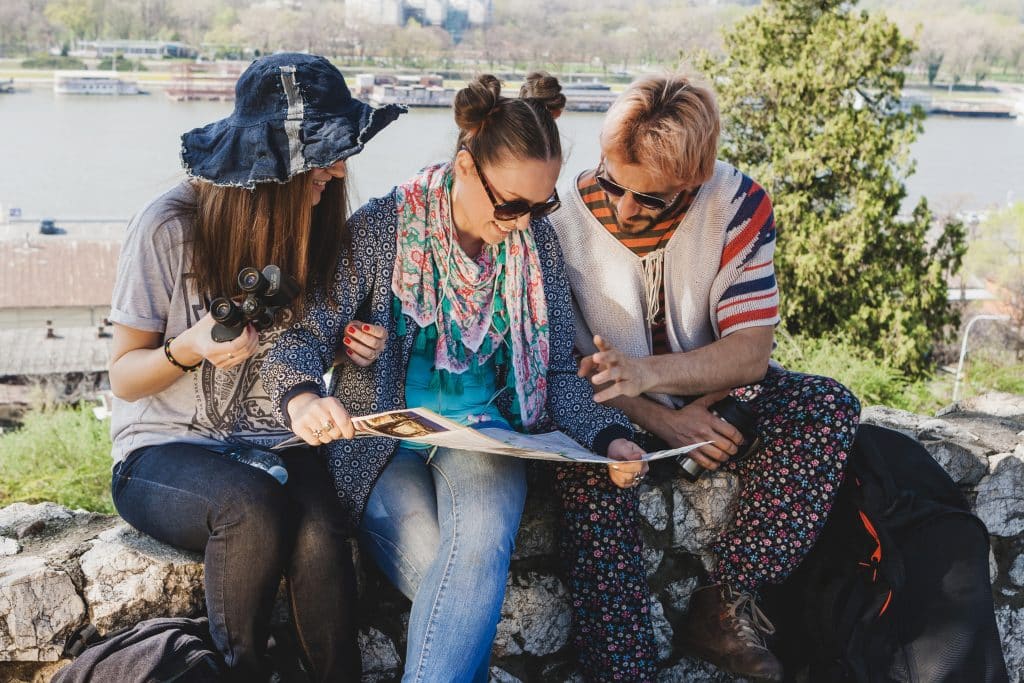
In 2025, many travelers are moving beyond simply visiting places. They seek immersive cultural exchange travel—journeys where they live, learn, and connect deeply with local communities. Instead of glancing at landmarks, they participate in daily life, learn traditional crafts, and engage in stories with hosts. These experiences can shift views, erase stereotypes, and foster empathy. This article explores why immersive cultural exchange travel is gaining momentum, what it looks like in practice, and how you can plan a journey that truly cultivates cultural awareness.
Why Immersive Cultural Exchange Travel Is Rising
Growing Demand for Experiential Travel
Recent industry reports show that travelers increasingly prefer experiences over possessions. A consumer insight study found that 70 percent of people express interest in cultural immersion and hands‑on local interaction when planning future trips (Consumers Are Seeking Out Experiential Travel). This indicates a strong shift toward travel that is participatory, not passive.
Immersive Experiences Outperform Traditional Sightseeing
In 2025, a major travel industry survey reported that 86 percent of travelers prioritize immersive experiences over standard sightseeing. Immersion in culture, arts, rituals, and community life is now a defining criterion for meaningful travel (Skift / Qiddiya research on immersive travel experiences).
Luxury Travel Embraces Authenticity
The luxury sector is adapting to this shift. High-end travelers now often expect more than opulence—they want authentic local engagement. Hospitality brands are offering curated cultural stays, artisan workshops, and storytelling events to meet demand for deeper connection (luxury hospitality embracing cultural immersion).
Cultural Immersion as Sustainable Travel
Cultural immersion is recognized as part of sustainable and ethical travel frameworks. It encourages spending that directly supports local communities, gives agency to cultural hosts, and avoids superficial displays of culture. In fact, cultural immersion is increasingly defined as a sustainable travel trend that emphasizes authentic insight into community life.
Because of these converging shifts—consumer preference, luxury demand, and sustainability—immersive cultural exchange travel is more than a fad. It’s becoming a central travel mode for those seeking understanding and connection.
What True Immersive Cultural Exchange Travel Looks Like
To encourage cultural awareness, good immersive travel has several core characteristics. Here’s what to look for:
- Active involvement rather than passive observation. You might cook alongside locals, help with traditional farming, or assist in community cultural projects.
- Hosting by local communities who direct the experience and benefit spiritually, culturally, and economically.
- Longer stays or slow travel so you can see cycles—daily routines, seasonal shifts, rituals—not just snapshots.
- Reflection built in—time to process, journal, discuss perceptions, and ask hard questions.
- Narrative context that includes history, social dynamics, and power relations—not only romantic or sanitized versions of culture.
- Respect, consent, reciprocity—no exploitation, fair compensation, and dignity in how hosts and culture are portrayed.
When those elements are present, immersive travel becomes a vehicle for empathy, not simply entertainment.
Emerging Models & Examples for 2025
While immersive cultural exchange travel has roots in volunteer tourism or study abroad, 2025 brings new models and innovations:
- Eagle Hunter Cultural Center in Mongolia: This new center is managed by local Kazakh falconry associations. Visitors live in yurts with hosts, learn the art of eagle hunting, and contribute financially to community operations. It’s a rare example of cultural tourism run by community guardians, not external operators.
- AR / VR augmented heritage paths: Some destinations are layering digital storytelling over cultural routes. Travelers may walk ancestral trails while using AR to see past rituals, local perspectives, or stories embedded in the land. Immersive technology helps visitors understand deeper cultural layers.
- Slow cultural travel hubs: Destinations are focusing on staying in one region for deeper engagement instead of “checklist tourism.” Guests stay in villages for weeks, rotating through craft classes, community dinners, ritual observances, and everyday participation—living like locals for a stretch.
These innovations are bringing immersive cultural exchange travel into new territory—less performance, more co‑creation.
How to Plan an Immersive Cultural Exchange Trip
Here’s a practical 8‑step guide to help you design or choose a trip that truly supports cultural awareness.
Step 1: Clarify Your Cultural Intent
Ask yourself what you want to learn—language, arts, ritual, farming, storytelling. That focus helps filter what experiences will be meaningful.
Step 2: Choose Community‑Led Programs
Seek programs co‑created or led by local cultural institutions, NGOs, or community groups. Avoid ones where external providers package “exotic culture” for tours.
Step 3: Opt for Longer or Deeper Stays
Instead of covering many places, spend more time in one region. Live with hosts, stay in local homes, and repeat interactions.
Step 4: Mix Structured Learning and Open Time
Include guided workshops, local interviews, performances, but leave gaps for spontaneous discovery, wandering, and listening.
Step 5: Learn Some Local Language & Customs
Even a few phrases and cultural protocol knowledge encourages respect, smoother exchanges, and signals humility.
Step 6: Reflect Daily
Carry a journal. Each day, write what surprised you, what seemed familiar, and what assumptions changed. These reflections enable growth.
Step 7: Be a Responsible Storyteller
When you share your trip afterward, credit hosts, represent complexity, and avoid reducing culture to props or stereotypes.
Step 8: Give Back Thoughtfully
Support cultural preservation or host initiatives (through fair purchase, volunteering, knowledge exchange) only when requested. Avoid imposing change.
If you structure your trip this way, you’ll go beyond visiting — you’ll weave new relationships and perspectives.
Common Pitfalls & How to Avoid Them
- Tourist spectacle culture: Avoid programs that turn ceremonies into performances just for guests.
- Cultural tokenism: One cooking class or dance show does not equal deep immersion.
- Narrative tourism controlled by outsiders: Be careful when operators script cultural stories detached from local voice.
- Overtourism and weariness: Choose off‑peak seasons or lesser-known communities to reduce burden.
- Short visits with no reflection: Without time to digest, superficial impressions may reinforce stereotypes.
If you travel with humility, curiosity, and respect, those risks shrink considerably.
Why Immersive Cultural Exchange Travel Matters in 2025
- Enhances empathy and cross‑cultural understanding — living small slices of local life dissolves “us vs them.”
- Supports heritage preservation — cultural tourism revenue can sustain language, crafts, and traditions.
- Counters homogenized travel — as tourists flock to the same Instagram spots, immersive exchange moves away from sameness.
- Fosters mindful global citizenship — participants return with nuanced perspectives, not commodified souvenirs.
- Aligns with evolving consumer values — 85 percent of travelers want deeper cultural exploration and 78 percent prefer trips that support local communities (Cultural Tourism Statistics).
These alignments mean immersive cultural exchange travel can be more than a niche—it’s part of how people want to explore in 2025.
A Sample Itinerary: One Region, Seven Days
Here’s a template you can adapt to any region:
| Day | Focus | Experience |
|---|---|---|
| 1 | Arrival & introduction | Meet hosts, local history, village walk |
| 2 | Craft & daily routine | Join artisans, visits to workshops, work side by side |
| 3 | Food & ritual | Cook local meals, attend a ritual or ceremony |
| 4 | Community project | Engage in a local initiative—planting, restoration, care |
| 5 | Language & stories | Conversational sessions, narrative sharing, local tales |
| 6 | Free exploration | Wander nearby paths, talk informally, observe daily life |
| 7 | Sharing & reflection | Present what you learned, listen to host feedback, farewell |
This roughly balanced itinerary gives structure but also space for reflection and connection.
Conclusion
If your next trip is going to be more than photos, aim for immersive cultural exchange travel. Choose experiences led by local voices, stay long enough to truly absorb, allow space for reflection, and travel with humility. When done thoughtfully, travel can widen hearts, break stereotypes, and build bridges across cultures.
In 2025, the most meaningful journeys are not to places you “finish”—they’re to people you meet, stories you absorb, and perspectives you carry home. Travel better. Travel with awareness.
References
- Eagle Hunter Cultural Center in Mongolia- https://www.cntraveler.com
- AR/VR in Heritage Revival (e.g., the Silk Road)- https://arxiv.org
- Rural Art Fields & Cultural Revitalization- https://en.wikipedia.org

 Fitness Routines That Improve Posture and Mobility