Interior Design Ideas That Reflect Individual Style
Isabella Rossi September 19, 2025
Interior design is more than just arranging furniture or picking out colors. It’s a way to express your personality, create a sense of belonging, and build a space that feels like a reflection of who you are. In today’s world, where individuality and uniqueness are highly valued, interior design has evolved beyond generic trends. People are now looking for ways to incorporate their personal style into their homes, making spaces more comfortable, meaningful, and functional.
If you’re interested in how to design a space that truly reflects your unique taste, this guide will walk you through some of the latest trends and ideas in interior design that can help you create a space that feels authentically “you.”
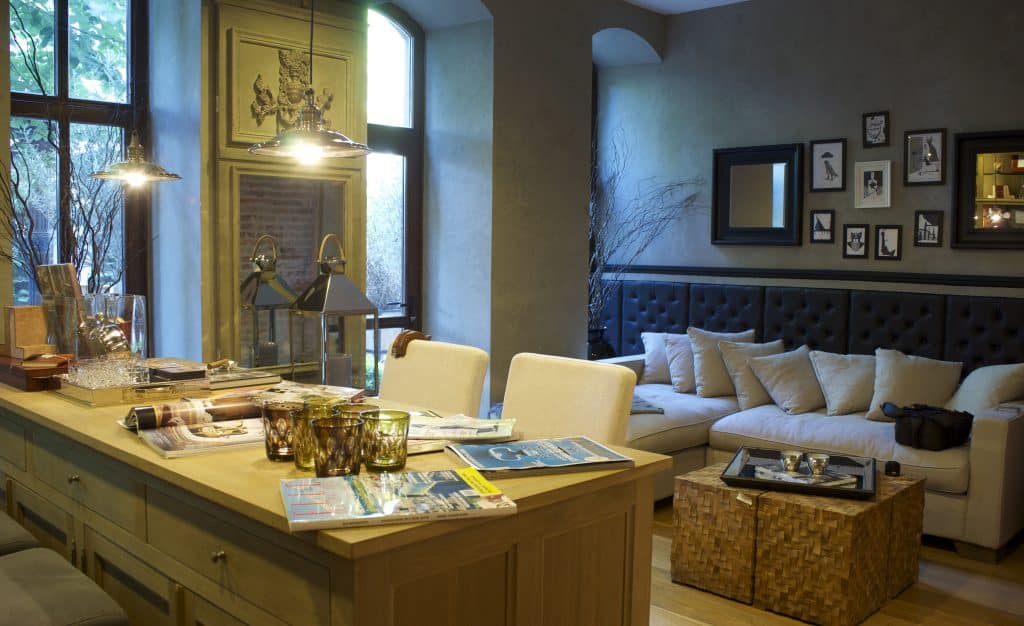
The Power of Personalization in Interior Design
Personalization in interior design goes beyond simply adding a few personal items to a room. It’s about creating a space that tells a story. Personalization allows you to transform a generic living area into a home that mirrors your interests, lifestyle, and values.
Whether it’s through color schemes, furniture choices, or unique art pieces, there are countless ways to inject personality into your interior. In fact, according to House Beautiful, personalization is a major factor in creating a space that’s not only functional but emotionally fulfilling. From statement furniture pieces to incorporating elements from your culture or experiences, personalization helps establish a connection between the person and their living environment.
1. Bold Color Palettes That Reflect Your Personality
Color plays a crucial role in setting the tone of a room. While neutrals like white, beige, and gray have dominated design trends for years, there’s been a shift toward embracing bolder, more expressive colors.
Hot Trends in Color for 2023:
- Earthy Tones: Warm, earthy shades such as terracotta, rust, and ochre are gaining popularity. These colors create a calming and grounded feel, evoking a connection to nature. They work well in both modern and rustic settings.
- Vibrant Accents: While neutral walls are still a common choice, vibrant pops of color are becoming more popular in furniture, accessories, and accent walls. Think of jewel tones like emerald green, sapphire blue, and deep mustard yellow.
- Moody Hues: Darker shades, such as charcoal, navy, and forest green, are being used to add sophistication and drama to spaces. These colors pair well with lighter accents and natural materials like wood or metal.
Incorporating colors that resonate with you can enhance the emotional impact of your space, making it feel more like an extension of your personality.
2. Sustainable Design: A Reflection of Your Values
Sustainability is not just a trend; it’s a mindset that reflects a growing concern for the environment. More homeowners and renters are looking to design spaces that are both beautiful and eco-friendly. Sustainable interior design is all about creating spaces that minimize environmental impact while still providing comfort and style.
Ideas for Sustainable Design:
- Upcycled Furniture: Look for vintage furniture or pieces that can be repurposed. Not only does this contribute to sustainability, but it also adds unique character to your home. A well-chosen antique can serve as a beautiful conversation starter.
- Natural Materials: Opt for furniture and accessories made from natural materials like bamboo, cork, reclaimed wood, and linen. These materials are not only durable but also provide a timeless, organic look.
- Energy-Efficient Solutions: Incorporate energy-efficient appliances, LED lighting, and natural lighting strategies. Installing energy-saving systems like smart thermostats or solar panels can also reflect your commitment to the environment.
Sustainable choices in design don’t just make your home environmentally friendly; they create a space that mirrors your values and ethics, enhancing the authenticity of your surroundings.
3. Mixing Old and New: The Charm of Eclectic Style
One of the most popular trends in today’s interior design is the eclectic style—mixing old and new elements to create a layered, personalized look. Eclectic design allows you to blend various design styles, eras, and textures while creating a cohesive and curated space.
How to Achieve the Eclectic Look:
- Blend Furniture Styles: Don’t be afraid to mix modern furniture with vintage or antique pieces. Pairing a sleek, contemporary sofa with a mid-century modern coffee table or a vintage armchair creates an interesting contrast that reflects your diverse tastes.
- Incorporate Different Textures: Mixing various textures like velvet, leather, wool, and silk can make a room feel rich and inviting. Textural variety adds depth and complexity to the space.
- Display Art and Collectibles: Showcasing your personal collection of art, sculptures, or travel souvenirs adds a sense of storytelling to your home. It gives visitors a glimpse of your passions and experiences.
The eclectic style is perfect for those who have an appreciation for both the past and the present, allowing you to craft a home that is both stylish and meaningful.
4. Minimalism with a Personal Touch
While maximalist design celebrates vibrant patterns and bold combinations, minimalism focuses on simplicity and functionality. However, minimalist design doesn’t have to feel cold or impersonal. Adding subtle, personal elements can make minimalist spaces feel warm, inviting, and reflective of your unique personality.
How to Personalize a Minimalist Home:
- Statement Pieces: In minimalist spaces, fewer items are on display, but each item should be chosen carefully. Invest in a few statement pieces, such as a striking piece of art, a unique lamp, or a custom-made furniture piece that tells your story.
- Neutral Tones with Warm Accents: While minimalist designs often use neutral colors, introducing a few warm accents—like a cozy throw, soft rugs, or wooden textures—can make the space feel more inviting and comforting.
- Open Shelving: Instead of closed cabinets, open shelving allows you to display a few meaningful items, such as your favorite books or heirloom pieces, making your minimalist space more personal.
Minimalism isn’t about empty spaces; it’s about quality over quantity. By incorporating personal items thoughtfully, you can create a home that feels calm and reflective of your individual style.
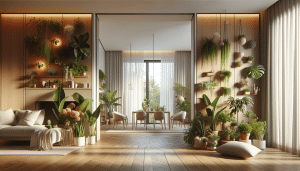
5. Biophilic Design: Bringing the Outdoors In
Biophilic design is the practice of incorporating natural elements into interior spaces. It’s a growing trend as more people seek to reconnect with nature and enjoy the health benefits of natural surroundings, especially in urban areas. Integrating plants, natural light, and outdoor-inspired elements into your home can help improve air quality, reduce stress, and boost productivity.
How to Bring Nature Indoors:
- Indoor Plants: Adding indoor plants not only improves air quality but also creates a calming atmosphere. Choose plants like snake plants, pothos, or succulents that are easy to maintain and can thrive in different light conditions.
- Natural Light: Maximize natural light by using sheer curtains or opting for open spaces with large windows. Letting natural light flood your home helps you feel more connected to the outdoors.
- Natural Materials: Incorporate materials like stone, wood, and woven textiles into your furniture and decor to evoke a sense of being outdoors. A wooden dining table or stone countertops add a rustic, natural touch to modern interiors.
Biophilic design creates a space where you can feel both relaxed and energized, reinforcing the importance of nature in our daily lives.
6. Personalized Home Office Design
The rise of remote work has made home office design an essential part of interior design in the modern era. Creating a personalized, functional, and inspiring workspace in your home can boost productivity, improve work-life balance, and make working from home feel less isolating.
Tips for Personalizing Your Home Office:
- Comfortable Furniture: Invest in ergonomic furniture that promotes good posture and comfort during long work hours. A good chair and adjustable desk are crucial for maintaining health and comfort.
- Personal Touches: Add decor that motivates you, such as inspiring artwork, plants, or a vision board. Make your workspace unique to you, reflecting your personality while also keeping it functional.
- Smart Storage Solutions: Keep your workspace organized by incorporating smart storage options like filing cabinets, floating shelves, and multi-functional furniture pieces that double as storage.
A personalized home office makes working from home a more enjoyable and productive experience, contributing to your overall well-being.
Conclusion: Reflect Your Style, Embrace Your Uniqueness
Interior design is about creating a space that makes you feel comfortable and connected to your personal style. By incorporating bold colors, sustainable choices, eclectic furniture, minimalist touches, biophilic elements, and personalized workspaces, you can create an environment that reflects your values, personality, and lifestyle. As trends continue to evolve, the key is to focus on what resonates most with you and make intentional design choices that enhance your daily life.
References
- Personalization in Interior Design- https://www.housebeautiful.com/
- Bold Color Palettes- https://www.pantone.com/hk/en/
- Sustainable Interior Design- https://www.usgbc.org/

 How AI Supports Personalized Learning Experiences