Interior Design Ideas That Enhance Productivity
Isabella Rossi October 1, 2025
When your environment supports your brain, work stops being a chore. In 2025, interior design increasingly intersects with neuroscience, wellness, and the realities of hybrid work culture. More than just aesthetics, design choices are now recognized as direct influences on focus, mood, and overall performance.
This article explores interior design ideas that enhance productivity by examining current research and emerging trends. From biophilic micro-zones to neuro-inclusive layouts and adaptive furniture, these strategies are designed not only to look appealing but also to improve the way we work and think.
Why Design Affects Productivity: The Science Behind It
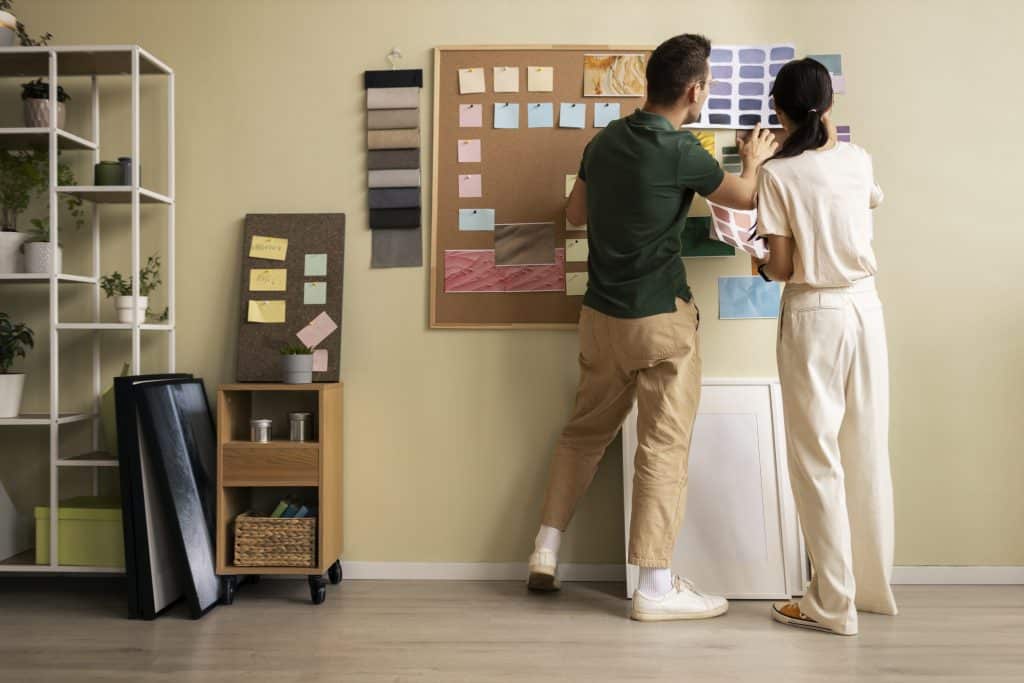
The link between design and productivity is no longer anecdotal. Scientific studies confirm that our physical surroundings influence stress levels, attention span, and creative output.
- A workplace survey on biophilia found that employees in greener spaces reported significantly higher well-being and were up to 15% more creative compared to those in less natural environments.
- Neuroscience research shows that exposure to natural light stabilizes circadian rhythms, which in turn helps maintain energy and focus throughout the day.
- Systematic reviews highlight how simple design features—like noise reduction and flexible lighting—can lower cognitive fatigue and improve motivation.
- Studies on “green dose” theory reveal that even small amounts of indoor greenery can lead to measurable improvements in task performance and mental health.
In short, design is a functional productivity tool, not an afterthought. The right setup makes daily tasks easier and helps sustain focus over longer periods.
Top Emerging Trends in Productivity-Focused Interior Design
Here are six of the strongest trends shaping 2025, each centered on interior design ideas that enhance productivity.
1. Biophilic Micro-Work Zones
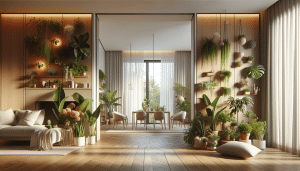
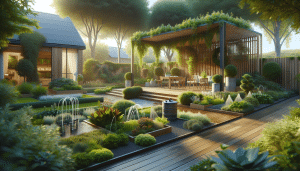
Large office gardens are impressive, but smaller “micro-work zones” are proving more practical. These are compact spaces enriched with natural elements, designed to provide short but meaningful exposure to greenery.
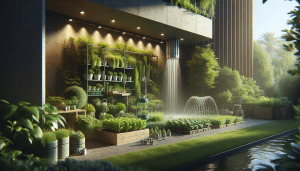
- Vertical plant walls maximize greenery in tight spaces.
- Compact water features introduce calming sounds and visual rhythm.
- Natural textures like stone or untreated wood connect occupants to organic patterns.
Even brief contact with these natural features reduces stress and creates moments of mental clarity during work.
2. Neuro-Inclusive Layouts
Not all brains process environments the same way. Neuro-inclusive design acknowledges sensory differences and provides adaptable solutions.
- Acoustic comfort: Panels and layered textiles absorb disruptive sounds.
- Lighting choice: Task lighting, dimmable ambient lighting, and customizable presets give individuals control over brightness and tone.
- Flexible partitions: Sliding panels or curtains create visual boundaries without permanent construction.
- Tactile diversity: Incorporating varied materials helps stimulate sensory engagement and breaks monotony.
This trend recognizes that productivity is personal, and no single design fits everyone.
3. Modular & Adaptive Furniture
Work styles are increasingly fluid, making adaptability essential. Furniture now doubles as infrastructure for shifting tasks.
- Adjustable desks allow seamless transitions between sitting and standing.
- Mobile shelving systems can create temporary boundaries for focus.
- Multi-purpose tables integrate wireless charging and cable management.
- Ergonomic chairs feature swappable cushions for task-specific comfort.
Adaptive furniture means a space can serve as a focused office in the morning, a creative studio in the afternoon, and a video call hub by evening.
4. Sensorial & Multisensory Design
Productivity is not just visual—it’s multisensory. Designers are integrating sound, scent, and texture to enhance work performance.
- Layered fabrics like wool and linen provide tactile variety.
- Natural scents such as rosemary and citrus have been linked to alertness.
- Soft ambient sounds or nature audio help reduce distraction.
- Textured walls or artwork encourage “micro-breaks” for the eyes.
Engaging multiple senses creates a richer environment that sustains energy without overstimulation.
5. Subtle Smart & Invisible Tech
Technology should enhance, not distract. The 2025 approach to smart interiors is about seamless integration.
- Desks and nightstands now come with invisible wireless charging surfaces.
- Voice-activated climate and lighting systems let you adjust settings hands-free.
- Smart glass provides instant privacy while still allowing light flow.
- Retractable screens support both collaboration and individual focus.
This approach ensures that tech blends into the background, letting the environment feel natural and supportive.
6. Warm Earthy Palettes & Textural Depth
After years of sterile minimalism, warmer palettes are making a comeback. Muted earth tones and natural materials create environments that are visually calm but emotionally engaging.
- Soft browns, deep greens, and clay reds provide grounding energy.
- Layered materials—wood, stone, textiles—create tactile richness.
- Subtle contrasts in shades help define work zones without walls.
These tones reduce visual fatigue and provide a backdrop that feels inviting rather than clinical.
How to Build a Productivity-Driven Workspace: Step-by-Step Guide
To make these interior design ideas that enhance productivity actionable, here’s a structured process you can follow:
- Audit Your Needs – List the main tasks you perform daily. Are you reading, coding, sketching, or on calls? Your design should serve those priorities.
- Maximize Natural Light – Position desks near windows, but perpendicular to avoid glare. Use adjustable blinds to balance brightness throughout the day.
- Create Micro-Zones – Separate spaces for focused work, brainstorming, and rest. Use rugs or screens rather than heavy construction to define areas.
- Integrate Greenery – Choose low-maintenance plants like pothos, ZZ plants, or ferns that thrive indoors. Even two or three can shift the mood of a space.
- Manage Noise – Add rugs, curtains, and wall panels to soften sound. If needed, introduce background white noise or natural sounds.
- Select Modular Furniture – Pick desks and chairs that adapt to multiple tasks. Consider storage units that double as dividers.
- Layer Lighting – Combine ambient, task, and accent lighting. Smart bulbs allow quick shifts from high-focus brightness to warm relaxation.
- Add Sensory Details – Incorporate textures, subtle scents, and tactile surfaces that keep the environment engaging.
- Embed Tech Discreetly – Hide wires, use built-in charging, and keep screens retractable for cleaner visuals.
- Test and Adjust – After a week, assess what works. Adjust one element at a time to find the ideal balance.
This process ensures that design choices stay intentional and functional rather than overwhelming.
Real-World Applications
- Creative studios use adaptive furniture and plant walls to allow shifts between brainstorming sessions and quiet focus.
- Remote workers set up compact home offices with biophilic corners and adjustable lighting scenes.
- Coworking hubs now include neuro-inclusive areas such as low-sensory pods and collaborative open zones.
- Tech firms embed invisible tech into furniture, keeping workspaces uncluttered while highly functional.
Each example demonstrates how interior design ideas that enhance productivity scale across different environments.
Common Pitfalls to Avoid
Even good design can fail if applied without strategy. Avoid these missteps:
- Too much greenery or texture – A crowded space can overwhelm rather than calm.
- Uniform lighting – A single harsh light doesn’t meet all needs. Always layer.
- Neglected wiring – Visible cables ruin otherwise clean designs. Plan for management early.
- Rigid setups – If furniture or layouts can’t evolve with your work, productivity will decline.
Balance is key: effective design should feel supportive but not distracting.
Conclusion
The science is clear: interior design is not just about aesthetics—it directly influences performance and well-being. In 2025, the most effective trends emphasize biophilic micro-zones, neuro-inclusive layouts, modular furniture, multisensory elements, invisible technology, and warmer palettes.
By applying these interior design ideas that enhance productivity, you can create a workspace that is not only visually appealing but also tailored to support focus, creativity, and mental clarity. A well-designed environment is no longer a luxury—it’s a necessity for thriving in the modern era of hybrid work.
References
- Why Biophilic Design Is Crucial in the Workplace- https://www.gensler.com
- Exploring the Impact of a Multisensory Approach- https://www.sciencedirect.com
- Restorative Effects of Biophilic Workplace and Nature Exposure- https://pmc.ncbi.nlm.nih.gov

 DIY Home Projects That Add Style and Function