Interior Design Solutions That Enhance Comfort
Isabella Rossi September 26, 2025
When it comes to interior design, comfort should always be a top priority. Whether you’re redesigning a small apartment or revamping a large home, the right design choices can greatly enhance your comfort and well-being. In 2025, interior design isn’t just about making spaces look good—it’s about making them feel as good as they look. Emerging trends are shifting the focus to mindfulness, sustainability, and practical layouts that prioritize relaxation.
This article explores some of the most popular interior design solutions that enhance comfort, offering you practical, stylish ideas for creating a cozy, functional haven.

Why Comfort in Interior Design Matters
Interior design is no longer just about aesthetics. Research shows that our environment affects our mental and physical health. In fact, the American Society of Interior Designers (ASID) found that 80% of people’s emotions are influenced by the physical spaces they inhabit. Comfortable spaces can promote relaxation, boost productivity, reduce stress, and improve overall happiness.
Here are some interior design solutions that can transform your home into a space that prioritizes comfort.
1. Biophilic Design: Bringing Nature Inside
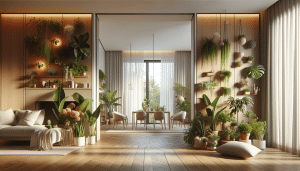
Biophilic design continues to rise in popularity. This trend incorporates natural elements into indoor spaces, making them feel more calming and connected to the outdoors. Research shows that biophilic design can reduce stress, boost creativity, and improve overall well-being.
How to Integrate Biophilic Design:
- Use Natural Materials: Incorporate wood, stone, bamboo, or cork in furniture, flooring, and walls. These materials add texture and warmth.
- Add Indoor Plants: Plants like succulents, ferns, and flowering plants improve air quality and add an organic touch to your home.
- Maximize Natural Light: Open windows, install larger panes of glass, or use light-colored surfaces to brighten rooms.
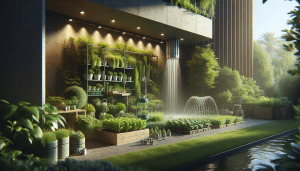
- Create Green Zones: Set up a vertical garden or small indoor herb garden. These green spaces bring tranquility to any room.
Incorporating biophilic elements enhances comfort by making spaces feel refreshing and peaceful.
2. Soft Furnishings and Cozy Textures
A simple way to make any room more comfortable is through soft furnishings and textures. In 2025, designers are focusing on tactile experiences. Fabrics and textures play a crucial role in making spaces feel cozy and inviting.
Key Trends in Textures:
- Velvet and Linen: Velvet adds a luxurious touch, while linen offers a relaxed, breezy feel.
- Layered Rugs and Throws: Layer woolen throws over velvet cushions or jute rugs on carpeted floors for added texture.
- Plush Seating: Oversized armchairs and sectional sofas are perfect for lounging or gathering with friends and family. Add cushions and ottomans for extra softness.
These textures not only create visual appeal but also provide comfort by offering warmth and sensory enjoyment.
3. Smart Furniture and Ergonomic Solutions
As more people work from home, comfort is no longer just about looks; it’s about functionality too. In 2025, ergonomic solutions and smart furniture are revolutionizing how we think about comfort. Adjustable furniture and ergonomically designed seating options are essential for both work and relaxation.
How to Improve Comfort with Smart Furniture:
- Ergonomic Office Chairs: Invest in chairs that offer lumbar support and encourage good posture.
- Adjustable Standing Desks: These desks allow you to alternate between sitting and standing, reducing fatigue and improving comfort.
- Heated and Massaging Furniture: Recliners with built-in heating or sofas with massaging features provide ultimate relaxation.
- Modular Furniture: Modular sofas and chairs allow you to rearrange pieces for maximum comfort depending on your needs.
These solutions ensure that comfort doesn’t just come from aesthetics but also from practical, user-friendly design.
4. Minimalist Design with a Focus on Functionality
Minimalism remains a strong design trend, but in 2025, it’s all about functionality. Minimalist design focuses on creating spaces that enhance comfort by eliminating distractions and promoting simplicity.
How to Create a Comfortable Minimalist Space:
- Declutter Regularly: Keep only what you need. A clean, organized space helps promote calm and focus.
- Opt for Neutral Palettes: Light neutral colors like whites, creams, and soft grays make rooms feel spacious and serene.
- Invest in Quality Over Quantity: Choose timeless, high-quality furniture that serves a purpose, avoiding unnecessary decor.
Minimalism’s focus on function ensures that every piece in a room serves a purpose, creating a more peaceful environment.
5. Smart Lighting: Creating Mood and Ambiance
Lighting plays a significant role in comfort. In 2025, smart lighting systems are at the forefront, allowing you to adjust brightness, color, and warmth to suit your mood or activity. Proper lighting can make spaces feel more inviting, relaxing, and even improve your sleep quality.
How to Optimize Lighting for Comfort:
- Smart Bulbs: Install bulbs that allow you to adjust the color and brightness with a simple voice command or app.
- Ambient Lighting: Use soft, warm lights to create a cozy atmosphere in living rooms and bedrooms. Consider floor lamps, sconces, or pendant lights instead of harsh overhead lighting.
- Task Lighting: Adjustable lights are perfect for areas like your home office, kitchen, or reading nook.
Smart lighting lets you create the ideal environment, enhancing comfort by adjusting to your needs throughout the day.
6. Sustainable and Eco-Friendly Design Choices
Sustainability continues to be a priority in interior design. In 2025, eco-friendly choices contribute not only to the environment but also to your comfort. Sustainable materials improve air quality, provide natural insulation, and promote a healthier living environment.
How to Make Your Home More Comfortable and Sustainable:
- Natural Materials: Opt for sustainable materials like bamboo, reclaimed wood, and cork for flooring and furniture.
- Energy-Efficient Appliances: Choose energy-efficient appliances to reduce utility costs and environmental impact.
- Non-Toxic Paints and Finishes: Use low-VOC paints to improve indoor air quality and create a healthier living space.
- Natural Insulation: Consider materials like hempcrete or recycled denim for better insulation.
Sustainable design choices not only enhance comfort but also contribute to a healthier, more eco-conscious living environment.
Conclusion
Interior design solutions that enhance comfort in 2025 are about more than just creating beautiful spaces. They focus on designing environments that improve mental, physical, and emotional well-being. From biophilic design to ergonomic furniture, minimalist layouts to smart lighting, today’s trends prioritize mindfulness, functionality, and sustainability.
By integrating these design solutions, you can transform your home into a place where comfort is paramount, and relaxation is always within reach.
References
- Biophilic Design and Well-Being- https://www.asid.org
- Sustainable and Eco-Friendly Design Choices- https://www.epa.gov
- The Role of Smart Furniture and Ergonomics in Comfort- https://www.forbes.com

 Tips to Maximize Your Retirement Savings Potential