Interior Design Trends That Encourage Productivity
Isabella Rossi September 22, 2025
In 2025, interior design has evolved beyond aesthetic appeal to become a vital tool for enhancing productivity, well-being, and creativity. With hybrid and remote work models becoming increasingly standard, the spaces we inhabit play a crucial role in shaping focus, comfort, and efficiency. The design of workspaces—both in offices and homes—can either stimulate productivity or create distractions. This article explores the most significant interior design trends of 2025 that encourage productivity, offering actionable insights for individuals, businesses, and designers seeking to create effective environments.
Biophilic Design: Bringing Nature Indoors
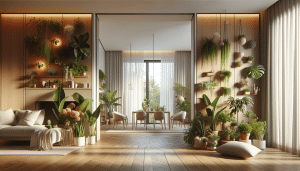
Biophilic design, which integrates natural elements into interior spaces, continues to gain attention. Research indicates that exposure to natural elements in the workplace can boost productivity, reduce stress, and improve creativity by up to 15 percent. Core components of biophilic design include:
- Indoor plants: Beyond aesthetic benefits, plants improve air quality and provide a sense of calm. Studies suggest that even a small number of plants can significantly reduce stress and mental fatigue.
- Natural materials: Using wood, stone, and cork introduces organic textures that appeal to the senses and create a grounding atmosphere.
- Maximizing natural light: Sunlight supports circadian rhythms, which regulate sleep and energy levels, directly impacting alertness and productivity.
Incorporating biophilic design elements creates environments that are both restorative and stimulating, supporting both focus and mental well-being.
Flexible and Modular Workspaces
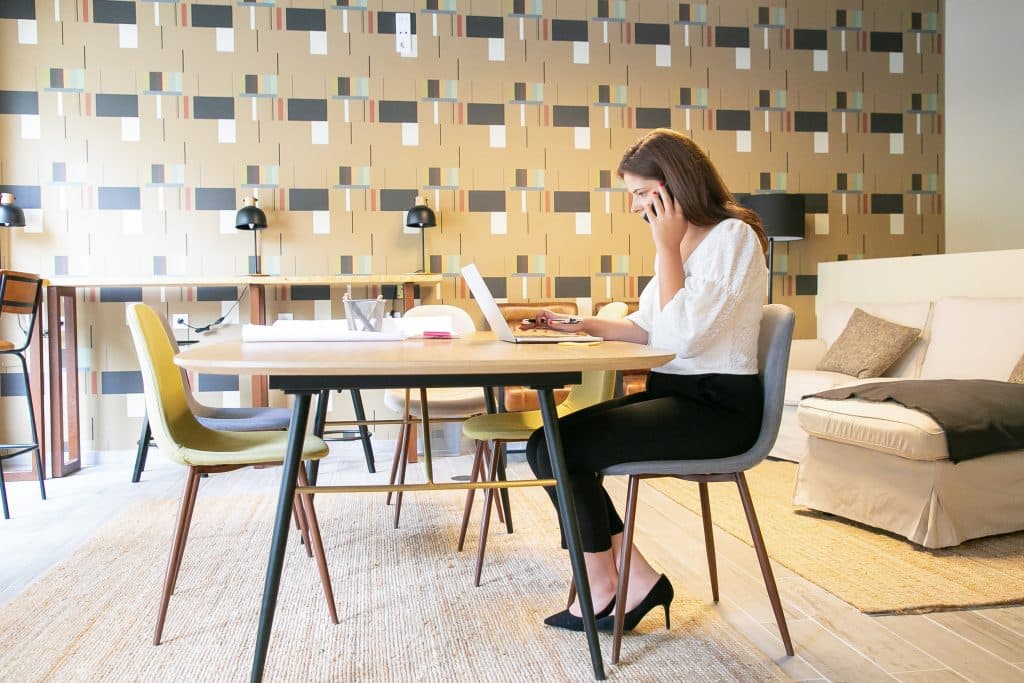
The rise of hybrid work has made flexibility essential. Modular furniture and adaptable spaces allow for dynamic reconfigurations, enabling individuals to switch between collaborative work, focused tasks, or personal projects with ease. Key benefits of flexible design include:
- Multi-functional layouts: Movable desks, modular partitions, and foldable furniture allow spaces to accommodate different activities.
- Personalized setups: Adjustable seating and desks empower users to create environments suited to their work style.
- Optimized space utilization: In smaller offices or homes, modular furniture maximizes functionality without overcrowding.
Flexible spaces not only support productivity but also encourage creativity, as employees and residents can adapt their surroundings to meet evolving needs.
Smart Technology Integration
Smart technology is increasingly integrated into modern interiors, creating responsive environments that enhance efficiency. Examples of technology-driven productivity features include:
- Voice-controlled systems: Adjusting lighting, temperature, and sound settings through voice commands reduces distractions.
- Smart desks and chairs: Height-adjustable desks and chairs with posture monitoring encourage healthy work habits.
- Wireless charging and cable management: Clutter-free spaces reduce stress and interruptions, keeping essential devices powered.
Technology integration ensures that spaces are optimized for both comfort and efficiency, helping individuals maintain focus throughout the day.
Acoustic Design for Concentration
Noise is a major productivity disruptor. Acoustic design focuses on reducing unwanted sound, creating environments conducive to concentration and focus. Effective strategies include:
- Sound-absorbing materials: Acoustic panels, rugs, curtains, and upholstered furniture reduce reverberation and ambient noise.
- Quiet zones: Dedicated areas for focused work minimize interruptions from collaborative activities.
- Spatial planning: Separating noisy equipment or high-traffic areas from quiet workspaces maintains a balanced acoustic environment.
By paying attention to acoustics, designers can create environments that facilitate deep focus and sustained attention.
Ergonomic Principles in Design
Ergonomics prioritizes comfort and health by designing spaces and products to fit users’ needs. Well-executed ergonomics prevents physical strain, enhances comfort, and boosts productivity. Considerations include:
- Adjustable furniture: Chairs, desks, and monitor stands that adapt to individual height and posture.
- Optimal equipment placement: Proper positioning of keyboards, screens, and peripherals prevents repetitive strain injuries.
- Supportive accessories: Footrests, lumbar cushions, and anti-fatigue mats enhance comfort during extended work periods.
Prioritizing ergonomics in interior design fosters sustained productivity and reduces physical discomfort.
Minimalist Aesthetics and Purposeful Decor
Clutter can be mentally exhausting and hinder productivity. Minimalist design emphasizes simplicity, organization, and functional decor. Effective strategies include:
- Neutral color palettes: Whites, grays, and muted earth tones create a calm, focused environment.
- Decluttered surfaces: Keeping workspaces clean removes distractions and enhances mental clarity.
- Functional decor: Storage solutions and organizational tools add utility without visual noise.
Minimalist spaces allow individuals to focus on tasks at hand without being overwhelmed by unnecessary visual stimuli.
Personalized Workspaces
Customization enhances productivity by creating environments that align with individual preferences and needs. Personalization strategies include:
- Adjustable lighting: Task lighting, dimmers, and natural light adjustment help accommodate different activities.
- Personal artifacts: Art, photos, or objects that inspire creativity and comfort improve engagement.
- Flexible furniture layouts: Configurations tailored to workflow preferences allow for an optimal work experience.
Personalized spaces foster ownership and engagement, motivating individuals to maintain focus and productivity.
Wellness-Centric Design
Wellness-focused interior design improves both physical and mental health, directly impacting productivity. Strategies include:
- Air quality management: Ventilation systems and indoor plants improve air quality and reduce fatigue.
- Natural light exposure: Sunlight promotes alertness, regulates circadian rhythms, and enhances mood.
- Relaxation areas: Spaces for meditation, stretching, or breaks prevent burnout and improve mental recovery.
Designing for wellness ensures that occupants maintain energy, focus, and overall well-being throughout the day.
Color Psychology for Productivity
Colors have a profound impact on mood, energy, and focus. Interior design in 2025 leverages color psychology to enhance productivity:
- Blue: Encourages calmness and concentration.
- Green: Promotes balance, relaxation, and harmony.
- Yellow: Stimulates creativity and energy.
Selecting color schemes intentionally helps create spaces that support specific types of work and mental states.
Sustainable and Eco-Friendly Materials
Sustainability is increasingly central to interior design. Eco-friendly materials not only reduce environmental impact but also create healthier indoor environments. Approaches include:
- Reclaimed or recycled materials: Wood, metal, and glass reduce resource consumption.
- Non-toxic paints and finishes: Promote healthier air quality and reduce chemical exposure.
- Energy-efficient appliances and lighting: Reduce electricity use while maintaining functionality.
Sustainable design supports long-term productivity by creating spaces that are both environmentally responsible and comfortable for occupants.
Multifunctional Zones for Dynamic Workflows
Modern workspaces often incorporate multifunctional zones that accommodate diverse tasks. Examples include:
- Combined work and relaxation areas: Spaces designed for alternating focus and mental breaks.
- Creative corners: Areas equipped for brainstorming, sketching, or design work.
- Exercise or stretching spaces: Encourage short physical activity sessions to boost energy and concentration.
Multifunctional zones enable flexibility, supporting productivity in both focused and collaborative work settings.
Emphasis on Natural Lighting
Natural lighting remains a top priority in 2025 design trends. Well-lit spaces improve productivity by:
- Reducing eye strain: Proper lighting prevents fatigue from prolonged screen time.
- Supporting circadian rhythms: Light exposure helps regulate sleep patterns and energy levels.
- Creating an inviting atmosphere: Bright, airy spaces enhance mood and motivation.
Design strategies include larger windows, skylights, and reflective surfaces to maximize daylight in workspaces.
Conclusion
Interior design in 2025 goes beyond aesthetics to become a strategic tool for boosting productivity. By combining biophilic elements, flexible furniture, smart technology, acoustic optimization, ergonomic principles, minimalist decor, personalization, wellness-centric features, color psychology, sustainable materials, multifunctional zones, and abundant natural light, spaces can foster focus, creativity, and efficiency. Aligning design choices with modern work and lifestyle needs ensures that environments support not only productivity but also overall well-being.
References
- The Benefits of Using Biophilic Design in the Workplace- https://www.ssinorthamerica.com
- Designing Safe Spaces: How Wellness- https://www.livingbrightinteriors.com
- Wellness Architecture & Design Initiative Trends for 2025- https://globalwellnessinstitute.org

 Gardening Ideas That Support Urban Living