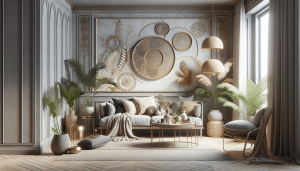
Is Minimalist Living Right for You Discover the Stylish Secret
Sofia Alvarez September 28, 2025
Minimalist living is gaining traction as more people seek simplicity, functionality, and style in their homes and lives. Explore how adopting minimalist design, mindful shopping, and decluttered spaces can boost well-being and bring harmony at home. This guide unravels the appeal, benefits, and practical strategies for building a minimalist lifestyle that resonates.
What Makes Minimalist Living So Compelling
Minimalist living is more than an aesthetic—it’s a deliberate lifestyle choice that focuses on what truly matters. In a culture saturated with consumer goods, many seek out minimalist design for a sense of peace and order. Clean lines, uncluttered spaces, and an intentional approach to possessions are hallmarks of this trend. By removing visual distraction, minimalist interiors allow the mind to relax, promoting a sense of calm. This is especially valuable as society grows more fast-paced and digitally connected.
Adopting this lifestyle goes beyond tidying; it’s rooted in values such as sustainability and mindful consumption. Minimalist interiors often concentrate on high-quality, long-lasting furniture and decor rather than disposable trends. Fewer items mean less waste, encouraging a habitat that aligns with eco-conscious priorities. For many, choosing a minimalist home is a way to be kind to both the environment and the mind, reducing the urge for unnecessary spending and the weight of excess possessions.
Embracing minimalist living can initially feel daunting. Yet, stories of transformation abound—people finding clarity and deeper satisfaction with fewer material items. Many comment on the relief that comes with letting go of clutter and freeing up both physical and mental space. Whether for a studio apartment or family home, minimalism brings an elegant efficiency that suits diverse lives and tastes. The real magic lies in the freedom to focus on relationships and experiences instead of objects.
The Science Behind Decluttered Spaces and Well-being
Research continually supports the psychological benefits of organized, clutter-free environments. Studies from environmental psychology indicate that crowded and chaotic rooms can raise stress levels, while orderly settings calm the mind. When people reduce clutter, they report increased concentration, better sleep, and overall satisfaction in daily routines. Decluttering triggers positive emotions by providing a sense of achievement and control—keys for mental well-being.
Minimalism’s emphasis on function and open space enhances these benefits. Light-filled rooms, thoughtfully arranged furniture, and neutral color palettes help reduce sensory overload. For families, minimalist spaces are easier to clean and maintain, which can lower anxiety tied to domestic chores. The practice of eliminating non-essentials also cultivates mindfulness—a mental state shown to help tackle anxiety and seasonal blues. The science backs up why so many feel drawn to this lifestyle.
Some experts recommend a gradual approach. Start by sorting possessions by utility and emotional value. People may find that sentimental items are best displayed thoughtfully, while unused or duplicate objects can be donated. This mindful process gives every item a purpose and place. As living spaces become less crowded, the mind often becomes more focused, creative, and open to new possibilities. The journey becomes an act of self-care, benefiting overall quality of life.
Curating a Minimalist Home Room by Room
Creating a minimalist home does not require a complete overhaul. Start in one area, such as the living room. Choose versatile furniture that serves multiple purposes, like a sofa bed or an ottoman with hidden storage. Select a soothing color palette, ideally based on whites, grays, or earth tones, to amplify natural light and make the space feel serene. By focusing on fewer, functional pieces, every corner can breathe—inviting rest and conversation.
The kitchen and dining spaces can follow suit. Minimize countertops by storing appliances that aren’t used daily. Consider open shelving or clear glass containers for organization that doubles as decor. A minimalist kitchen often means keeping just enough dinnerware and utensils for everyday meals, making hosting and clean-ups simpler. In bedrooms, opt for soft textures and uncluttered bedside tables; this encourages restful sleep and easy routines, supporting both health and peace of mind.
Bathrooms are ideal for minimalist upgrades. Store only daily essentials in easy-to-access containers or drawers. Hang only the most-used towels and keep surfaces bare except for necessary toiletries. Touches like a single plant or candle add personality without overcrowding. Throughout the house, art can be carefully chosen to anchor a room’s focus. Every decision—from lamp choice to art selection—echoes the minimalist mantra: less, but better. This curation process also supports daily habits by fostering calm energy in all spaces.
Mindful Shopping and Minimalist Consumption Habits
Minimalist living is closely tied to conscious consumerism. Rather than impulse buying, proponents advocate for thoughtful purchase decisions. This habit not only protects finances but ensures that every addition to the home is meaningful and necessary. Many people create short lists or wait several days before committing to a new purchase. This buffer time helps curb emotional spending and leads to greater satisfaction with items that are chosen.
Sustainable shopping is another pillar of minimalist living. Quality is prioritized over quantity. Furniture, textiles, and decor are selected for durability and style longevity. By investing in ethically-made or secondhand items, it’s possible to keep waste low while still expressing individual taste. Minimalist shoppers often seek multipurpose objects or modular systems—items that adapt as life changes. This kind of buying benefits not only the environment but also fosters gratitude and pride in what one owns.
Seasonal wardrobe edits are a practical example of minimalist habits. People regularly review clothing, donating pieces that are unworn, and filling in gaps with timeless staples. In entertainment, the trend translates to digital decluttering: only keeping subscriptions and apps that are used and enjoyed. Mindful consumption makes every dollar and minute more meaningful. As people align their shopping behaviors with their values, the minimalist lifestyle becomes self-reinforcing and rewarding.
The Aesthetics of Minimalism in Entertainment and Leisure
Minimalist principles have entered the world of entertainment, shaping design and experiences. Streaming services now highlight simple interfaces and curated content, reducing the overwhelm of excess choices. Retreats and social gatherings echo minimalism through open layouts, simple menus, and digital-free zones. These environments put the focus on authentic experience and personal connection, drawing people together in restful, inspiring settings. The simplicity offers an escape from the constant stimulation of busy lives.
Even tech influencers and content creators foster minimalist practices by encouraging viewers to curate social feeds and limit screen time. Gaming platforms, for example, release pared-back interfaces and games emphasizing creativity and exploration rather than accumulation. These choices reflect a growing demand for meaningful, uncluttered entertainment. As audiences grow weary of information overload, minimalist channels offer a welcome breath of fresh air. Many people report greater enjoyment and focus, as the mind is freed from competing distractions.
In leisure spaces, minimalist decor translates into inviting home theaters or reading nooks furnished with soft textures and warm lighting. Books, films, and music are chosen thoughtfully, with collections curated for personal resonance rather than sheer volume. Many find that enjoyment increases when access is limited to only favorites. Ultimately, minimalist entertainment is about savoring moments and media, not racing to consume more. This approach fosters long-lasting happiness as old favorites grow richer with each encounter.
Overcoming Common Challenges and Myths About Minimalism
Many people believe minimalist living is too restrictive, expensive, or sterile for daily life. Yet, successful minimalists often tailor the approach to suit their culture, family, and personality. Minimalism isn’t about rules—it’s about the freedom to make intentional choices. In practice, most people integrate minimalism in stages, balancing practicality with personal style. The process often involves experimentation, with some trial and error, to discover what is essential and what can be let go.
Another misconception is that minimalist homes lack warmth and creativity. On the contrary, the blank spaces act as a canvas for meaningful moments and personal expression. Statement furniture, cherished keepsakes, and favorite colors can all play a role in minimalist interior design. The goal is to highlight what truly brings happiness while removing distractions. This tailored balance is what makes minimalism accessible and appealing for a wide audience, regardless of age or background.
Challenges may arise, particularly when sharing a space with those who have different views on possessions. Open dialogue, compromise, and shared goal-setting can ease the transition. The minimalist process is not about deprivation; it’s about cultivating an environment that supports well-being, clarity, and connectedness. Over time, many find the rewards—like easier cleaning, more meaningful time, and improved financial health—are well worth the effort. Minimalist living is, ultimately, a journey of self-discovery and intentional living.
References
1. Kondo, M. (2014). The Life-Changing Magic of Tidying Up. Retrieved from https://www.nytimes.com/2016/01/10/books/review/the-life-changing-magic-of-tidying-up-by-marie-kondo.html
2. American Psychological Association. (2023). Stress and clutter. Retrieved from https://www.apa.org/topics/stress/clutter-mental-health
3. U.S. Green Building Council. (2023). Sustainable interiors. Retrieved from https://www.usgbc.org/articles/how-sustainable-interiors-create-healthier-environments
4. Harvard Health Publishing. (2019). The health benefits of decluttering. Retrieved from https://www.health.harvard.edu/staying-healthy/health-benefits-of-decluttering
5. National Sleep Foundation. (2022). Bedroom environment and sleep. Retrieved from https://www.sleepfoundation.org/bedroom-environment
6. Stanford Graduate School of Business. (2021). Mindful consumption and sustainability. Retrieved from https://www.gsb.stanford.edu/insights/how-mindful-consumption-leads-happier-lives

 Unlocking Glowing Skin With Hydration Secrets