Travel Experiences That Encourage Mindful Exploration
Daniel Kim September 22, 2025
In 2025, travel is no longer just about visiting a destination or checking off a list of tourist attractions. Increasingly, travelers are seeking mindful exploration, which emphasizes intentionality, personal growth, and deep connection with the places they visit. Mindful travel encourages individuals to slow down, immerse themselves in local cultures, engage with nature, and prioritize wellness, all while reducing the environmental impact of their journeys. This approach represents a shift away from traditional, hurried travel and toward experiences that leave a lasting positive impression on both travelers and the communities they visit.
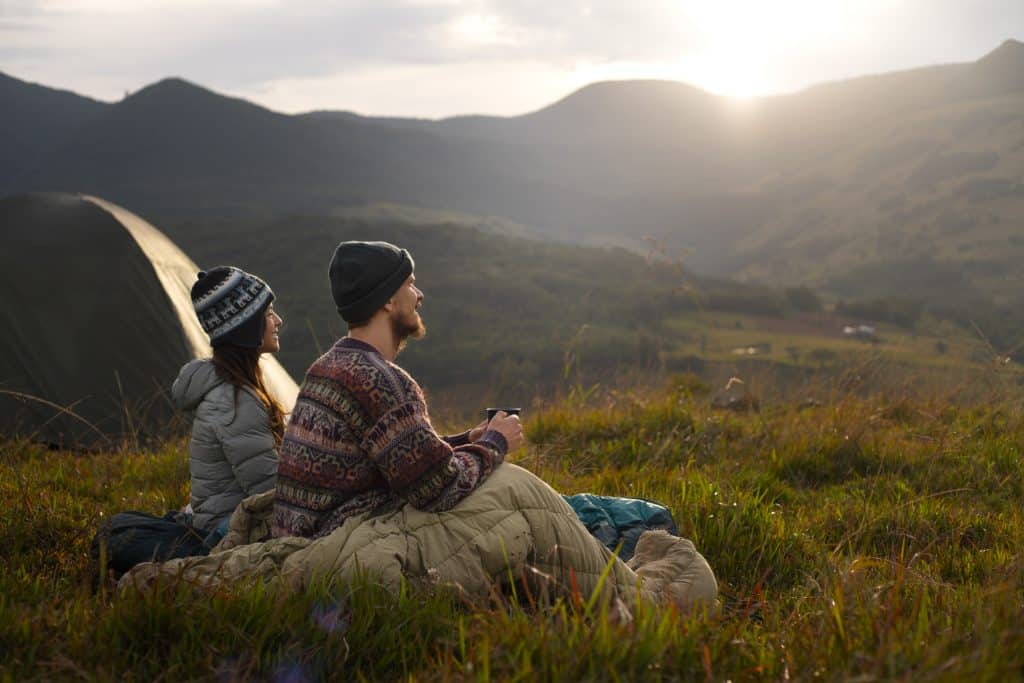
The Emergence of Slow Travel
Slow travel has become one of the most influential trends in 2025. Unlike traditional sightseeing trips, slow travel encourages spending more time in a single destination to fully appreciate its culture, landscape, and community. Travelers are increasingly favoring longer stays in smaller cities or rural areas, rather than rapid tours of multiple locations. This approach fosters a deeper understanding of local traditions, cuisine, and ways of life.
Slow travel also reduces stress and promotes mindfulness by eliminating the constant rush associated with conventional travel. This trend aligns with research suggesting that meaningful travel experiences can improve mental well-being, foster creativity, and increase satisfaction with life. By spending more time in one place, travelers are better able to form authentic connections with locals, participate in cultural activities, and reflect on their experiences.
Wellness and Regenerative Travel
Wellness travel is evolving in 2025 into a regenerative model, where trips actively benefit both the traveler and the destination. Regenerative travel goes beyond traditional wellness retreats by incorporating environmental stewardship, cultural respect, and personal growth. Activities such as forest bathing, meditation retreats, yoga, and sustainable culinary experiences are becoming integral components of mindful travel.
Many destinations now offer programs that allow visitors to engage with the local environment, such as volunteering in reforestation projects or learning sustainable farming practices. This hands-on approach encourages travelers to develop a sense of responsibility toward the places they visit, creating a mutually beneficial relationship between traveler and destination. Studies indicate that tourists increasingly prioritize sustainability when choosing accommodations, activities, and modes of transport, demonstrating the growing demand for regenerative travel experiences.
Cultural Immersion and Authentic Experiences
Cultural immersion is at the heart of mindful exploration. Travelers are seeking authentic experiences that go beyond the typical tourist activities. Participating in local festivals, attending workshops, or staying in locally run accommodations allows visitors to engage meaningfully with communities. For instance, attending a traditional music or dance event or learning to cook local dishes provides insights into a region’s heritage and lifestyle.
Destinations that embrace cultural immersion as part of their tourism offering often report higher visitor satisfaction. Mindful travelers are more likely to invest time and money in local businesses, supporting the community while gaining richer experiences. This trend reflects a broader movement in travel, where quality of experience increasingly outweighs quantity of destinations visited.
Digital Detox and Nature-Based Experiences
Modern travelers are seeking opportunities to disconnect from technology, which has led to the rise of digital detox travel. Digital detox experiences encourage travelers to limit screen time, focus on the present, and engage with their surroundings without distractions. Nature retreats, wellness resorts, and guided eco-tours are popular options for those wishing to escape the digital noise.
Nature-based activities such as hiking, kayaking, or guided wildlife tours allow travelers to cultivate mindfulness and awareness. These experiences not only enhance mental clarity but also foster a deeper appreciation for environmental conservation. Being fully present in natural settings supports stress reduction, improves mood, and increases overall well-being, aligning perfectly with the goals of mindful travel.
Mindful Travel Practices for 2025
To maximize the benefits of mindful exploration, travelers can adopt several practical strategies:
- Prioritize Quality Over Quantity: Focus on a few key experiences rather than trying to see everything in a destination. This allows for deeper engagement and reduces travel fatigue.
- Engage With Local Communities: Choose accommodations, dining options, and activities that are locally owned. Participate in workshops, volunteer opportunities, or cultural events to immerse yourself authentically.
- Slow Down Your Pace: Take time to enjoy each activity or location. Avoid overscheduling and allow for moments of reflection and observation.
- Limit Screen Time: Create boundaries for mobile devices to reduce distractions. Journaling or photography can be used intentionally to capture memories without becoming a constant focus.
- Travel Mindfully: Reflect on the environmental and social impact of your travel. Opt for eco-friendly transportation, reduce waste, and support sustainable businesses.
- Incorporate Wellness Activities: Include yoga, meditation, or nature-based exercises in your itinerary. These activities promote relaxation and help you remain present during your journey.
Benefits of Mindful Travel
The benefits of mindful travel extend beyond the immediate enjoyment of the trip. Research indicates that travelers who engage in slow, intentional, and culturally immersive experiences report:
- Improved mental well-being and reduced stress levels
- Increased creativity and problem-solving abilities
- Enhanced appreciation for other cultures and ways of life
- Greater environmental awareness and commitment to sustainability
- Long-lasting memories and meaningful personal growth
Mindful travel encourages intentional reflection, helping travelers return home with a renewed perspective and greater clarity. It transforms trips into opportunities for personal development, not just leisure.
Planning a Mindful Travel Experience
When designing a mindful travel itinerary, consider the following tips:
- Select Destinations with Purpose: Choose places that resonate with your interests, values, and wellness goals. This ensures each experience aligns with your personal journey.
- Balance Activity and Rest: Integrate time for relaxation, meditation, or gentle walks to complement more active pursuits. Avoid overscheduling to maintain a mindful pace.
- Engage Locally: Seek authentic interactions through homestays, guided tours by local experts, or volunteering opportunities.
- Document Reflection: Keep a travel journal or take mindful notes to capture insights, emotions, and lessons learned throughout the trip.
- Evaluate Environmental Impact: Opt for eco-conscious accommodations, minimize single-use plastics, and respect wildlife and natural habitats.
Conclusion
Mindful travel in 2025 emphasizes experiences that prioritize personal well-being, cultural connection, and environmental stewardship. By embracing slow travel, regenerative wellness experiences, cultural immersion, and digital detox, travelers can create meaningful journeys that enrich both their lives and the communities they visit. Practicing mindful travel encourages intentionality, reflection, and presence, transforming ordinary trips into transformative experiences. As this trend grows, it represents a shift toward travel that is not only enjoyable but also responsible, sustainable, and profoundly enriching.
References
- The Rise of Slow Travel- https://www.accio.com
- Digital Detox and Nature-Based Experiences- https://www.theguardian.com
- Cultural Immersion and Authentic Experiences- https://timesofindia.indiatimes.com

 Home Renovation Ideas That Boost Property Value