Smart Home Innovations That Enhance Comfort
Isabella Rossi September 30, 2025
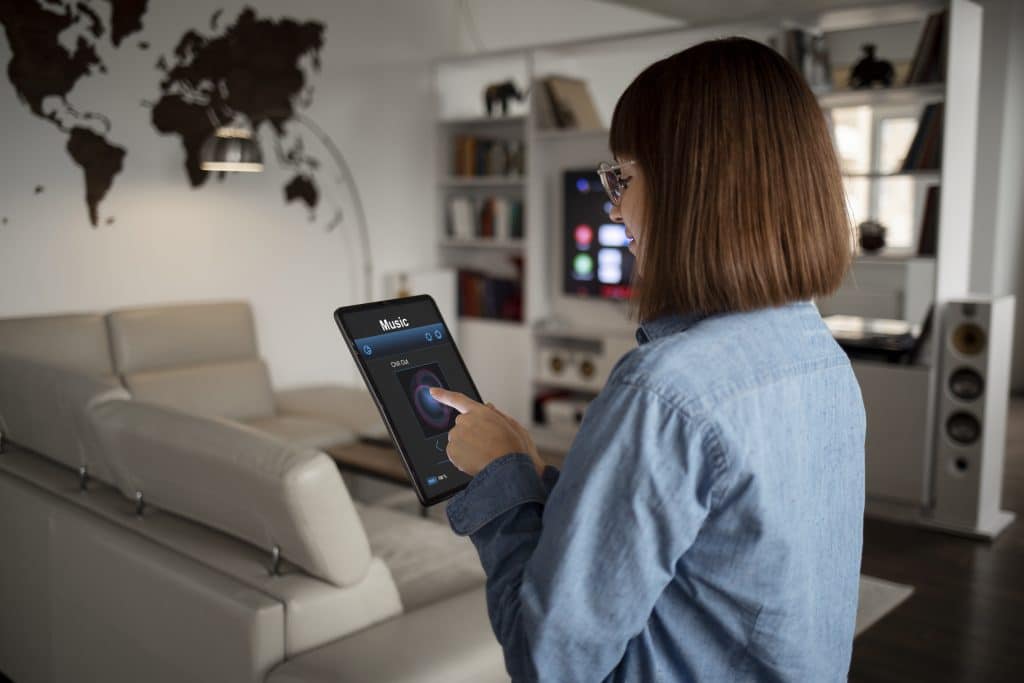
Technology has reshaped how we live, and nowhere is this more apparent than in our homes. In 2025, smart home innovations are no longer limited to voice-activated lights or app-controlled thermostats. Instead, the focus has shifted toward solutions that prioritize comfort, energy efficiency, and personalization. Consumers want spaces that respond to their routines, anticipate needs, and make everyday life easier. As demand grows, companies are developing smart home innovations that enhance comfort in ways that blend technology seamlessly into daily living.
Why Smart Home Comfort Matters Today
Comfort has become the new standard for smart home design. People are not just looking for convenience—they want homes that feel adaptive, sustainable, and supportive of well-being. This means:
- Temperature management that balances comfort with energy efficiency.
- Lighting systems that adjust to circadian rhythms for better sleep and productivity.
- Connected appliances that simplify tasks and free up time.
- Wellness-focused features that monitor air quality, reduce allergens, or promote relaxation.
These trends reflect a cultural shift toward using technology not just for control, but for creating environments that actively improve quality of life.
Key Smart Home Innovations That Enhance Comfort
1. AI-Powered Climate Control
Traditional thermostats are giving way to AI-driven systems that learn from user behavior. Smart climate systems can adjust temperature based on occupancy, weather forecasts, and even individual preferences. For example, a system may pre-cool a bedroom before bedtime or reduce energy use when the house is empty.
By combining sensors, predictive analytics, and energy data, these systems provide both comfort and sustainability. This dual focus is why they’ve become one of the most in-demand smart home innovations.
2. Circadian Lighting Systems
Lighting influences mood, sleep, and productivity. New smart lighting systems are designed to mimic natural daylight, shifting color temperature and brightness throughout the day. Warmer tones in the evening support melatonin production, while brighter, cooler light in the morning promotes alertness.
Some systems integrate with wearable devices, adjusting light based on real-time data about your activity or sleep cycle. This trend highlights how smart home innovations that enhance comfort often intersect with health and wellness.
3. Intelligent Kitchens and Appliances
Comfort also means reducing daily stress, and nowhere is this more important than the kitchen. Smart appliances are evolving to do more than just connect to an app. Examples include:
- Refrigerators that track expiration dates and suggest recipes.
- Ovens that automatically adjust cooking times based on the dish.
- Coffee makers that sync with alarms to brew at the perfect time.
These tools simplify routines while reducing food waste and energy use, turning the kitchen into a hub of efficiency.
4. Air Quality and Wellness Monitoring
Indoor air quality has become a growing concern, especially as people spend more time at home. Smart systems now track pollutants, humidity, and carbon dioxide levels. When necessary, they automatically activate purifiers, humidifiers, or ventilation systems.
Comfort is no longer just about temperature—it’s about creating a healthier environment. This innovation is particularly appealing in urban areas where air pollution is a constant challenge.
5. Voice and Gesture Control Interfaces
While voice assistants have been around for years, the technology is becoming more sophisticated. In 2025, smart home platforms use natural language processing and contextual awareness to respond more accurately. Gesture-based systems are also gaining traction, allowing users to control devices with simple movements—useful in kitchens or situations where hands-free control enhances comfort.
6. Smart Furniture and Adaptive Design
Furniture is also becoming part of the connected ecosystem. Examples include:
- Smart beds that adjust firmness and temperature for better sleep.
- Desks that change height automatically based on posture.
- Recliners with built-in massage and biometric tracking.
These designs show how comfort is being built directly into the physical home environment.
7. Security That Feels Seamless
Comfort also comes from peace of mind. Modern smart security systems integrate discreetly into daily life: cameras with AI that distinguish between pets and people, doorbells that offer two-way communication, and sensors that detect unusual activity. Instead of adding stress, these systems provide reassurance without requiring constant attention.
The Role of AI in Enhancing Comfort
Artificial intelligence ties all these innovations together. By analyzing user habits and environmental data, AI can orchestrate multiple systems at once. Imagine a scenario where your smart home dims the lights, adjusts the thermostat, and plays relaxing music as soon as you begin winding down for bed. This seamless integration reflects the future of comfort: environments that anticipate needs rather than waiting for manual input.
Practical Tips for Adopting Smart Home Comfort Features
For those interested in integrating smart home innovations that enhance comfort, here are steps to get started:
- Start with one system – Focus on a priority area like climate control or lighting before expanding.
- Choose interoperable devices – Select platforms that work together to avoid compatibility issues.
- Prioritize privacy and security – Ensure devices have strong encryption and user control over data.
- Consider long-term scalability – Look for solutions that can grow with your needs rather than becoming obsolete.
- Balance comfort with energy savings – Many smart systems offer dashboards showing how adjustments affect both well-being and utility costs.
Future Outlook for Smart Home Comfort
As technology evolves, smart homes are expected to become even more intuitive. Anticipated developments include:
- Biometric integration – Systems that adjust settings based on heart rate or stress levels.
- Advanced energy grids – Homes that optimize comfort while aligning with renewable energy availability.
- Predictive maintenance – Appliances that identify issues before breakdowns occur, reducing disruptions.
These innovations reinforce a larger cultural trend: homes are no longer just physical spaces, but adaptive environments designed around human comfort and well-being.
Conclusion
Smart home innovations that enhance comfort are redefining modern living. From AI-powered climate systems to circadian lighting and adaptive furniture, these technologies create homes that are more responsive, supportive, and efficient. The emphasis on wellness, personalization, and sustainability shows that comfort is no longer a luxury—it’s a central goal of home technology design in 2025 and beyond.
By adopting these tools strategically, homeowners can create spaces that don’t just function better but also feel better. As innovations continue to evolve, the homes of the future promise to be more adaptive and human-centered than ever before.
References
- The Consumer Psychology of Adopting AI– https://hbr.org
- Here’s how we can build net-positive homes- https://www.weforum.org
- Connected Homes (research on connected devices and consumer behavior)- https://www.mckinsey.com

 Nutrition Practices That Support Long-Term Health