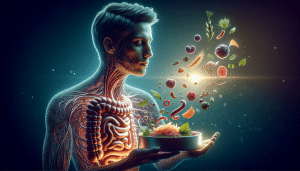
Strategies for Healthy Aging Through Fitness and Nutrition
Sofia Alvarez September 18, 2025
Healthy aging is no longer just about avoiding illness; it involves actively maintaining physical vitality, cognitive function, and overall well-being. Fitness and nutrition play a pivotal role in promoting longevity, improving quality of life, and reducing the risk of chronic diseases. Emerging research reveals how personalized fitness routines and nutrition strategies can enhance the aging process, helping individuals stay strong, active, and engaged at every stage of life. In addition to physical activity and diet, integrating mental wellness and technology-driven health solutions ensures a comprehensive approach to thriving in later years.
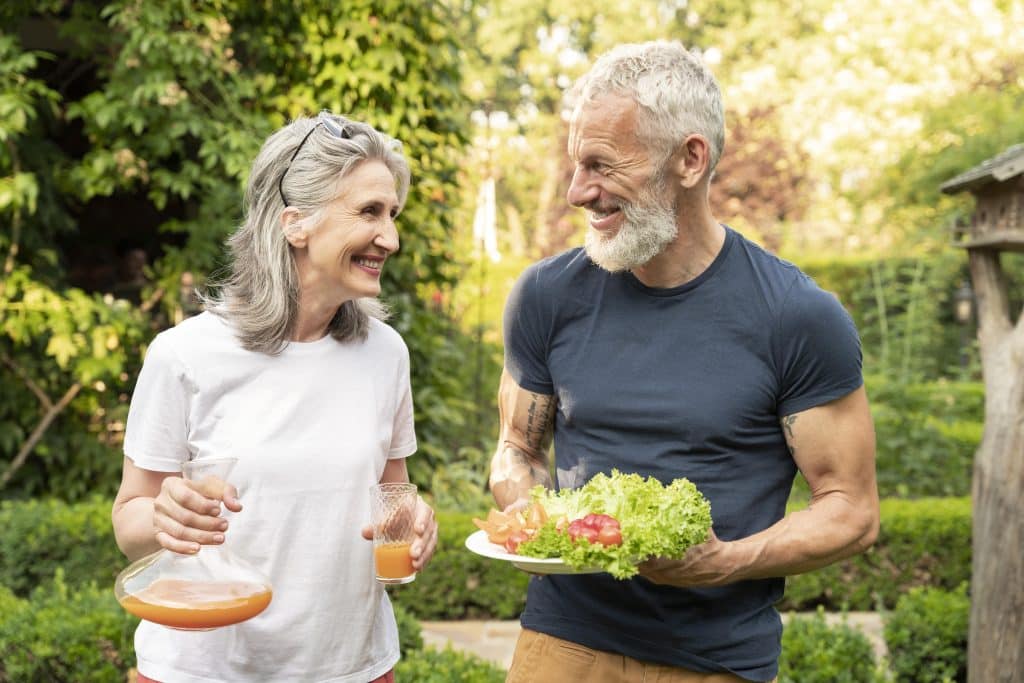
The Role of Exercise in Healthy Aging
Regular physical activity is one of the most effective strategies for healthy aging. Exercise improves cardiovascular health, strengthens muscles and bones, enhances flexibility, and supports mental health. Beyond physical benefits, staying active also fosters social engagement, increases confidence, and promotes emotional well-being.
Strength Training
Resistance exercises like weightlifting or resistance bands help maintain muscle mass and prevent sarcopenia, a condition linked to muscle loss in older adults. According to the American College of Sports Medicine (ACSM), adults over 50 should engage in strength training at least two times per week.
Strength training exercises can include:
- Bodyweight exercises: Squats, lunges, and push-ups provide a functional approach to maintaining strength.
- Free weights and resistance bands: These tools offer scalable resistance for progressive muscle development.
- Functional fitness: Movements that mimic daily activities, like lifting groceries or reaching overhead, enhance independence.
Research indicates that consistent strength training not only improves physical performance but also positively affects bone density, reducing the risk of osteoporosis.
Cardiovascular Exercise
Cardiovascular or aerobic exercises such as brisk walking, swimming, cycling, and dancing support heart health, enhance metabolism, and improve endurance. Studies show that regular aerobic exercise can lower the risk of heart disease by up to 30%.
Cardio activities can also:
- Improve lung function and oxygen utilization
- Enhance mood by releasing endorphins
- Promote weight management and healthy metabolism
Older adults can adapt cardio intensity based on individual fitness levels, incorporating low-impact exercises like water aerobics or recumbent cycling to reduce joint stress.
Balance and Flexibility
Yoga, Pilates, and tai chi enhance balance and mobility, reducing the likelihood of falls—a major concern in older populations. A study in the Journal of Aging and Physical Activity demonstrated that balance-focused exercise significantly decreases fall risk in adults over 65.
Flexibility and balance exercises help:
- Improve posture and range of motion
- Reduce joint stiffness and discomfort
- Support mind-body connection through controlled movements
By combining strength, aerobic, and flexibility training, older adults can create a comprehensive fitness plan that addresses both physical and mental aspects of aging.
Nutrition Strategies to Support Longevity
Nutrition directly influences cellular health, energy levels, and disease prevention. Emerging trends emphasize anti-inflammatory diets, nutrient-dense foods, and personalized nutrition plans tailored to an individual’s age, metabolism, and health conditions.
Protein Intake
Adequate protein is essential for muscle preservation and repair. Older adults may benefit from consuming 1.0–1.2 grams of protein per kilogram of body weight daily. Sources include lean meats, fish, legumes, eggs, and dairy products.
Incorporating protein throughout the day, rather than in a single meal, ensures efficient absorption and promotes muscle protein synthesis. Plant-based proteins like lentils, chickpeas, quinoa, and tofu provide additional fiber and phytonutrients.
Antioxidants and Phytonutrients
Berries, leafy greens, nuts, and seeds contain compounds that combat oxidative stress, which contributes to aging and cognitive decline. Research published in Nutrients highlights that antioxidant-rich diets are linked to improved cognitive function in older adults.
Other antioxidant-rich foods include:
- Dark chocolate (in moderation)
- Cruciferous vegetables like broccoli and kale
- Spices such as turmeric and cinnamon
Antioxidants help neutralize free radicals, reduce inflammation, and protect cellular integrity.
Healthy Fats
Omega-3 fatty acids, found in fatty fish, walnuts, chia seeds, and flaxseed, reduce inflammation and support brain and heart health. The American Heart Association recommends at least two servings of fatty fish per week.
Monounsaturated fats from olive oil, avocado, and nuts also improve cholesterol profiles and support cardiovascular function.
Fiber and Whole Foods
Whole grains, fruits, and vegetables promote digestive health, stabilize blood sugar, and reduce the risk of cardiovascular disease. Incorporating a variety of colorful produce ensures a broad spectrum of vitamins, minerals, and phytonutrients.
Personalized Nutrition
Emerging trends emphasize personalized approaches. Genetic testing, microbiome analysis, and wearable health devices allow individuals to tailor their diet for optimal nutrient absorption and long-term health outcomes. Personalized nutrition plans can enhance energy levels, improve metabolic health, and support cognitive function.
Mind-Body Integration
Healthy aging involves more than physical health; mental well-being is equally crucial. Practices that integrate mind and body contribute to cognitive resilience and emotional stability.
Mindful Movement
Yoga, tai chi, and meditation improve stress management, balance, and flexibility. Mindful exercise enhances awareness, helping older adults maintain proper posture and prevent injuries.
Cognitive Training
Combining physical activity with mental stimulation—such as learning new sports, dance routines, or even memory games—supports neuroplasticity and delays age-related cognitive decline. Cognitive challenges can include:
- Learning a new language
- Practicing musical instruments
- Engaging in strategy-based games
Social Engagement
Group fitness classes, walking clubs, or community exercise programs foster social connections, which are vital for emotional health and longevity. Studies show that socially active older adults experience lower rates of depression and cognitive decline.
Technology-Driven Fitness and Nutrition
Emerging digital tools and apps provide innovative ways to support healthy aging.
- Wearable Devices: Smartwatches and fitness trackers monitor heart rate, steps, sleep quality, and exercise performance, providing actionable insights.
- Nutrition Apps: Personalized meal planning apps track caloric intake, nutrient balance, and hydration.
- Virtual Coaching: Online platforms offer guided workouts and nutrition coaching tailored to older adults’ abilities and goals.
These technologies enhance adherence to health routines, offer motivation, and enable ongoing monitoring of progress.
Recovery and Rest
Recovery is an essential aspect of healthy aging. Adequate rest ensures that the body can repair, rebuild, and maintain optimal function.
- Sleep Hygiene: Adults over 60 should aim for 7–9 hours of quality sleep per night. Sleep supports immune function, cognitive performance, and emotional regulation.
- Active Recovery: Light activities like walking, stretching, or gentle yoga between intense workouts improve circulation and reduce muscle soreness.
- Hydration: Proper hydration supports metabolism, joint function, and cognitive health. Older adults should monitor fluid intake closely, as the sense of thirst diminishes with age.
Combining Strategies for a Holistic Approach
The most effective strategy for healthy aging integrates fitness, nutrition, mind-body practices, and technology. Key steps include:
- Personalized Fitness Plan: Incorporate strength, cardio, balance, and flexibility training tailored to individual health status and goals.
- Tailored Nutrition: Focus on protein, antioxidants, healthy fats, and fiber while considering metabolic needs.
- Mindful Practices: Engage in meditation, yoga, or cognitive challenges to support mental well-being.
- Technology Integration: Use apps, wearables, and virtual coaching to track progress and maintain motivation.
- Adequate Recovery: Prioritize sleep, active recovery, and hydration to ensure overall health and resilience.
By adopting a holistic approach, older adults can maintain independence, prevent disease, and enhance their quality of life.
Conclusion
Emerging research underscores the synergy between fitness and nutrition in promoting healthy aging. Personalized exercise routines, nutrient-dense diets, mind-body integration, and technology-driven solutions offer powerful tools for maintaining vitality. By combining these strategies, older adults can improve physical health, cognitive function, and emotional well-being, ensuring a fulfilling and active life. Healthy aging is not just about living longer—it’s about living better, with energy, strength, and joy.
References
- Exercise and Healthy Aging- https://www.nia.nih.gov/health/exercise-and-physical-activity
- Nutrition and Longevity- https://www.heart.org/
- Mind-Body Practices and Cognitive Health- https://www.mayoclinic.org

 Interior Design Tips That Maximize Small Living Areas