Surprising Benefits of Minimalist Living for You
Sofia Alvarez October 15, 2025
Explore how adopting a minimalist lifestyle can impact your well-being, home, and daily mindset. Learn about decluttering, intentional choices, and the creative joys of living with less—all supported by real-world advice and expert research on minimalism and simple living for a healthier lifestyle.
The Core Principles Behind Minimalist Living
Minimalist living isn’t just about owning fewer things. At its core, it means choosing what truly matters to you and letting go of the rest. Many people find that when their living spaces become intentionally uncluttered, their minds feel clearer too. The connection between physical and mental space is at the heart of this lifestyle, and research has shown that reducing household clutter can support emotional well-being by creating a sense of control and focus. Living intentionally—opting for quality over quantity—becomes a powerful habit, impacting not just your home but also your daily decision-making.
The minimalist lifestyle centers on careful selection and mindful consumption. Rather than simply throwing items away, true minimalism emphasizes conscious choices. This can include analyzing what items support daily happiness and utility and which ones simply take up space. By making each possession purposeful, people who embrace minimalism often report increased satisfaction in other parts of life, such as relationships or work. Minimalism isn’t about deprivation—it’s about positive selection and finding freedom in less.
This approach often spills over into other areas. Financial choices, like fewer impulsive purchases or a focus on experiences instead of material goods, can lead to greater budget control. Many people speak of discovering joy in simple routines or appreciating everyday moments. The minimalist mindset asks: Does this item or activity provide value? As individuals answer this question, they shape daily environments that are less stressful and more uplifting. Minimalism, it seems, is a journey of ongoing reflection and realignment.
How Decluttering Impacts Your Mental Health
The act of decluttering is linked to clearer thinking and reduced anxiety. Studies suggest that visual clutter competes for attention, lowering the ability to focus and process information. By removing excess, people create environments where attention can rest. The cycle is self-reinforcing: a tidy space encourages calm, which helps maintain order, making it easier to avoid feeling overwhelmed. Some therapists even recommend decluttering as a strategy for managing stress and improving mood (Source: https://www.health.harvard.edu/mind-and-mood/how-de-cluttering-your-space-could-make-you-healthier-and-happier).
Letting go can be emotional, especially for sentimental items. That’s why many minimalist guides recommend starting with less-charged spaces—like a kitchen drawer—before progressing to more meaningful areas. Often, as clutter decreases, a sense of relief and accomplishment emerges. Some experts liken this clarity to ‘mental breathing room,’ supporting routines and even sparking creativity. By focusing on essentials, you remember what matters most and design a space that supports daily peace.
Minimalist living can also prompt new habits. Once clutter leaves, routines like daily cleaning become simpler, leaving more time for self-care or family. The benefits extend further: research has found connections between organized environments and healthier eating, stronger sleep habits, and even increased productivity. While the process can require effort, many find the payoff—mental clarity and a deeper sense of calm—well worth the change.
Designing Your Home for Minimalism and Comfort
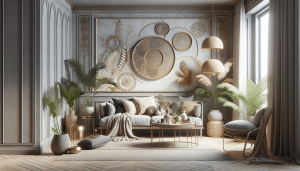
Transforming your home into a minimalist haven doesn’t mean cold or bare rooms. Instead, focus on functional aesthetics—each item should offer utility or joy. Experts suggest starting with a clear vision for how you want your space to feel. Use storage solutions that keep only daily essentials visible; multi-purpose furniture can maximize both style and use. Natural lighting, neutral colors, and personal touches add warmth to minimalist rooms, preventing that ‘empty’ sensation. Creating a home that feels both inviting and simple helps sustain minimalist habits beyond initial changes.
Practical tips also matter. For instance, digital decluttering—keeping devices organized and practicing mindful browsing—reduces digital overwhelm. Bringing plants indoors can improve air quality and introduce calming elements. According to home wellness advocates, pausing before bringing new items into the house is key: ask if you truly need it or if it will enhance daily life. Over time, this approach fosters spaces that feel intentional and support relaxation after a long day.
Minimalist interiors can offer unexpected health benefits. Cleaner spaces are easier to sanitize, which can reduce exposure to dust and allergens. Some research notes that streamlined environments encourage more active lifestyles—when surfaces aren’t crowded, people are more likely to move, stretch, or complete small wellness routines. Whether you rent a small apartment or own a large home, minimalism can adapt to fit your needs, offering flexible solutions for any stage of life.
Minimalism and Sustainable Living Choices
Choosing minimalism can be an eco-friendly decision. By buying less and favoring durable goods, you help reduce waste and your carbon footprint. Many minimalists also choose to recycle, repair, or repurpose items, adopting habits that align with sustainable living. Organizations like the Environmental Protection Agency emphasize the positive ripple effect of reducing material consumption, showing that minimalist habits can benefit both individuals and the planet (Source: https://www.epa.gov/recycle/reducing-waste-what-you-can-do).
Minimalist living often leads people to reconsider daily consumables. This might mean choosing products with less packaging, supporting local or second-hand shops, and embracing quality over quantity in clothing or home goods. The concept of ‘buy nothing new’ for set periods is gaining popularity, helping people reset their relationships with shopping and consumerism. These small steps add up, making a measurable difference over time. Sustainable minimalism is about mindful participation in production and disposal cycles.
Adopting a minimalist and eco-friendly approach often creates a strong sense of empowerment. Many people report increased satisfaction from aligning actions with values, such as environmental care or simple living. These choices can extend to every area—like transportation, meal planning, or holiday celebrations—making minimalism a holistic and community-oriented lifestyle. It’s a path toward living with intention and leaving a positive impact.
Minimalist Living for Families and Roommates
Contrary to common misconceptions, minimalist living isn’t only for singles or couples. Families and shared households can benefit as well. Open communication is essential: discuss which items everyone values, and respect differences in sentimental attachment or practicality. With teamwork, families can create shared spaces that feel spacious but still reflect everyone’s personality. Child development specialists, for example, suggest that organized and less chaotic environments can promote focus and cooperation in young children (Source: https://www.nidirect.gov.uk/articles/limiting-screen-time-and-toys-children).
Strategies for minimalist family living include shared decluttering routines and rotating toys or seasonal belongings, rather than owning large amounts at once. Labeling storage, choosing versatile furniture, and making tidy-up a shared ritual can help everyone participate. Minimalism, when practiced in community, teaches the value of resources, patience, and creativity—skills that benefit every age group. This approach often results in stronger family bonds and a sense of harmony at home.
Roommates can also benefit from minimalism. Setting clear boundaries around shared and private spaces makes it easier to keep common areas organized. Open dialogue around purchases for the household—appliances, décor, even kitchen gadgets—helps prevent unnecessary duplication or clutter. When everyone has a voice in what enters and stays, harmony comes more easily. Minimalism encourages mutual respect as people navigate different preferences, longings, and routines in shared living spaces.
Integrating Minimalism Into Digital and Social Life
Minimalist living naturally extends into digital habits. Managing screen time, unsubscribing from unused services, and setting boundaries with notifications can transform how technology shapes daily moods. Digital minimalism means more than a clean desktop; it’s about valuing quality information and authentic connections. Experts in media psychology suggest that intentional use of technology can boost overall satisfaction and stress management (Source: https://www.apa.org/topics/social-media-internet/digital-life-balance).
Cultivating a minimal social life focuses on investing in deeper, more meaningful relationships over sheer quantity. Many find that choosing a handful of strong social ties can lead to increased support, reduced pressure, and a more sustainable emotional routine. Scheduling regular, undistracted time with loved ones—offline, if possible—deepens connection. Being present, rather than constantly multitasking, is a core value of both minimalism and healthy social living.
Minimalism can also aid in combating information overload from social networks. Mindfully curating what you follow and participate in supports mental clarity. Redirecting the time saved from passive scrolling towards creative hobbies, outdoor activities, or volunteer work often brings a renewed sense of fulfillment. With intentional choices, both digital spaces and real-world experiences can become richer and more vibrant.
References
1. Harvard Health Publishing. (n.d.). How decluttering your space could make you healthier and happier. Retrieved from https://www.health.harvard.edu/mind-and-mood/how-de-cluttering-your-space-could-make-you-healthier-and-happier
2. Environmental Protection Agency. (n.d.). Reducing Waste: What You Can Do. Retrieved from https://www.epa.gov/recycle/reducing-waste-what-you-can-do
3. Mayo Clinic Staff. (n.d.). Clutter and Your Health. Mayo Clinic. Retrieved from https://www.mayoclinichealthsystem.org/hometown-health/speaking-of-health/how-clutter-affects-your-brain-and-what-you-can-do-about-it
4. Psychological Science. (2011). Physical Order Produces Healthy Choices, Generosity, and Conventionality. Retrieved from https://journals.sagepub.com/doi/10.1177/0956797612465877
5. nidirect government services. (n.d.). Limiting Screen Time and Toys for Children. Retrieved from https://www.nidirect.gov.uk/articles/limiting-screen-time-and-toys-children
6. American Psychological Association. (n.d.). Digital Life Balance Resources. Retrieved from https://www.apa.org/topics/social-media-internet/digital-life-balance

 What Makes Sustainable Investing a Smart Choice for You