Surprising Ways Minimalism Can Transform Your Life
Sofia Alvarez October 16, 2025
Minimalism is making waves in lifestyle trends, attracting those curious about simplicity, intentional living, and creative decluttering. Explore how embracing minimalist habits influences well-being, home design, and even finances, with practical ideas for anyone seeking positive, mindful change.
Understanding Minimalism’s Core Philosophy
Minimalism is more than reducing possessions—it’s a way of redefining what truly matters. By focusing on mindful choices and intentional living, individuals discover greater clarity. Many express that minimalism has enhanced not just their physical space but also created mental calm. This approach isn’t about deprivation. Instead, it’s about making room for meaningful experiences over material excess. For some, adopting minimalist lifestyle tips becomes the first step to breaking free from the cycle of consumption and re-evaluating life priorities in a consumer-driven world.
Minimalist living challenges conventional beliefs about success and happiness. The philosophy suggests happiness isn’t rooted in accumulation, but rather in the freedom to choose which items and commitments bring joy. This shift influences daily decisions and encourages a conscious curation of belongings, schedules, and even relationships. The growing appeal of minimalism can also be seen in popular books and documentaries that highlight the movement’s positive impact on stress, motivation, and personal fulfillment.
It helps to see minimalism not as a rigid rule set, but as a flexible guide suitable for many lifestyles. Some people find value in decluttering just a few items, while others prefer a more radical approach. Research points to benefits for both—less clutter often means less stress, and greater awareness of spending habits may result. Exploring this philosophy can be empowering, with countless stories attesting to its transformative influence on well-being and mental clarity (https://www.psychologytoday.com/us/blog/living-forward/201905/minimalism-in-the-modern-world).
Decluttering as a Path to Mental Clarity
One hallmark of minimalism is decluttering—removing unnecessary possessions. Studies suggest that a cluttered environment can lead to increased anxiety, decreased productivity, and even difficulties with decision-making. Clearing space is often seen as creating room for new energy and ideas. Organizational psychologists note that the process can be therapeutic. People often report feeling lighter and more focused after thoughtfully reducing their belongings to only what is purposeful or truly cherished (https://www.mayoclinic.org/healthy-lifestyle/adult-health/expert-answers/declutter/faq-20421767).
Embracing minimalist habits for mental wellness involves more than just tidying rooms. It’s about establishing routines that encourage calm and intentionality. Experts suggest starting with small areas—a desk, a closet, or a digital folder—so that progress feels achievable and sustainable. The act of sorting can reveal old patterns, prompting self-reflection. Many find that the clarity gained in their environment quickly translates to improved focus, better sleep habits, and reduced mental fatigue.
Decluttering can be deeply personal. Some find the process emotional, especially when letting go of gifts, inherited possessions, or old memorabilia. Mindfulness is a key component: being present and considering each item’s value. There’s no need to rush. The real reward appears when simplified surroundings lead to newfound creativity, peace, and a sense of control over the personal environment (https://www.ncbi.nlm.nih.gov/pmc/articles/PMC5940152/).
Minimalist Design and Home Organization
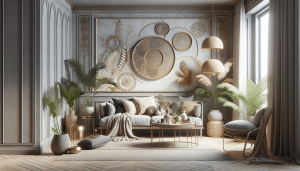
The influence of minimalism extends to home design, from furniture choices to open floor plans. Minimalist interior design isn’t just about white walls and bare shelves. Instead, it emphasizes function, quality, and a sense of openness without excess. Architects and designers around the globe have celebrated this style for its ability to make spaces feel larger, more restful, and easier to maintain. Many people try minimalist decorating ideas for practical reasons—fewer possessions mean simpler cleaning and less visual noise.
Applying minimalist principles to living spaces encourages conscious purchasing and intentional decorating. Homeowners learn to prioritize items they love—those that serve a true function or elicit positive feelings. Experts recommend multi-purpose furniture, neutral color palettes, and clever storage solutions to create harmony from entryway to bedroom. Living with less opens opportunities to highlight special art pieces or plants, bringing beauty and tranquility indoors. Open shelving and natural light help amplify a sense of peace in daily routines.
The trend of ‘capsule’ wardrobes and modular furniture further reflects how minimalism can adapt to changing needs and tastes. Families often discover that shared minimalist spaces encourage better organization and less conflict over clutter. The overall effect? A more organized, welcoming home, where every corner serves a purpose—and maintenance becomes much less overwhelming (https://www.homesandgardens.com/interior-design/minimalist-interiors).
Minimalism’s Financial Benefits and Mindful Consumption
Adopting a minimalist lifestyle can have significant financial benefits, too. Mindful consumption—making deliberate choices about what to buy and why—often results in reduced spending over time. Many people find that simply pausing before a purchase or asking if an item fits their values reduces impulse buying dramatically. This healthy habit also encourages evaluating needs versus wants, which contributes to long-term savings and less financial stress (https://www.consumerfinance.gov/about-us/blog/7-steps-to-take-control-of-your-finances/).
Financial minimalism doesn’t mean never shopping or denying joys; instead, it’s about making conscious investments. High-quality, durable goods tend to outlast lower-quality alternatives, saving resources in the long run. Tracking expenses, assessing monthly subscriptions, and adopting a “one-in, one-out” rule are popular tactics among minimalists. The psychological boost from financial control can lessen anxiety, while supporting broader goals—like travel, hobbies, or supporting loved ones—rather than regrettable purchases.
For some, embracing fewer, better possessions becomes a form of environmental stewardship as well. Minimizing unnecessary purchases decreases waste and reduces reliance on fast fashion or disposable goods. As a growing trend, minimalist budgeting apps and online communities help share encouragement and ideas. The interconnectedness between money, values, and sustainable habits highlights the diverse potential gains from pursuing a minimalist approach (https://www.ncbi.nlm.nih.gov/pmc/articles/PMC8489509/).
The Emotional Impact of Letting Go
Letting go—whether of possessions, old routines, or unnecessary commitments—isn’t always easy. Minimalism invites individuals to examine what truly serves them emotionally. Psychologists note that the act of releasing sentimental items, for example, may bring up nostalgia or guilt. Yet, by letting go consciously, many report emotional relief and even gratitude for the experiences tied to those items. These moments encourage growth and a greater appreciation for the present.
Minimalist approaches to emotional wellness often extend beyond the physical. By saying “no” more confidently to activities or social obligations that don’t align with core values, people report improved relationships and a more meaningful routine. Research supports the idea that intentional living fuels satisfaction; focusing time and energy on what matters most deepens engagement and strengthens emotional resilience. This shift may even lessen the fear of missing out, replacing it with calm acceptance and joy in the now.
Families, partners, and roommates practicing minimalism together often rediscover connection in shared experiences—cooking, talking, even simply enjoying a well-designed room. The process offers an invitation to identify what brings true happiness, rather than chasing trends. The resulting sense of emotional freedom can be profound, empowering people to face new challenges with a lighter heart and clearer intentions (https://www.psychologytoday.com/us/articles/201509/the-heart-of-minimalism).
Building Lasting Minimalist Habits
Building a minimalist lifestyle is rarely an overnight change. Experts encourage breaking goals into small, actionable steps for lasting results. This might mean tackling a single drawer, practicing daily gratitude, or reflecting on spending habits at the end of each week. Habit trackers, journals, and group challenges can support ongoing progress and motivation. The non-judgmental nature of minimalism’s philosophy allows for setbacks, emphasizing the journey over perfection.
Establishing routines that align with core values strengthens commitment to minimalist habits. Morning rituals, simplified meal plans, and designated digital detox times often become second nature over time. Joining local or online communities of like-minded individuals can provide accountability, fresh ideas, and inspiration. Minimalism is accessible to anyone—regardless of age, income, or household size—thanks to its adaptable, personally meaningful focus.
Finally, learning from minimalism’s setbacks and successes fosters lifelong growth. Individuals frequently report enhanced mindfulness, improved finances, and closer relationships after integrating minimalist practices. Progress may fluctuate, but the continued pursuit of clarity, purpose, and peace becomes its own reward (https://www.nytimes.com/guides/smarterliving/how-to-declutter).
References
1. Psychology Today. (2019). Minimalism in the Modern World. Retrieved from https://www.psychologytoday.com/us/blog/living-forward/201905/minimalism-in-the-modern-world
2. Mayo Clinic. (n.d.). Ask the expert: Decluttering for better health. Retrieved from https://www.mayoclinic.org/healthy-lifestyle/adult-health/expert-answers/declutter/faq-20421767
3. National Center for Biotechnology Information. (2018). Clutter, Chaos, and Overwhelm: Impacts on Well-being. Retrieved from https://www.ncbi.nlm.nih.gov/pmc/articles/PMC5940152/
4. Homes & Gardens. (n.d.). Minimalist interiors: a beginner’s guide. Retrieved from https://www.homesandgardens.com/interior-design/minimalist-interiors
5. Consumer Financial Protection Bureau. (n.d.). 7 steps to take control of your finances. Retrieved from https://www.consumerfinance.gov/about-us/blog/7-steps-to-take-control-of-your-finances/
6. New York Times. (n.d.). How to declutter. Retrieved from https://www.nytimes.com/guides/smarterliving/how-to-declutter

 You Can Find Affordable Housing Rental Options