Travel Guides That Focus on Local Culture
Daniel Kim September 19, 2025
In the ever-evolving travel industry, one trend that continues to gain traction is immersive travel experiences that offer a deeper connection to local culture. As travelers increasingly seek authentic and meaningful experiences, traditional sightseeing tours are no longer enough to satisfy their curiosity. Instead, tourists are looking for opportunities to engage with the local customs, traditions, and people in a more profound way. This shift towards cultural immersion has given rise to a new wave of travel guides that focus on exploring the heart and soul of a destination.
In this article, we will explore how travel guides that focus on local culture are reshaping the way we travel. From culinary experiences to community-based tourism, we’ll look at emerging trends and practical tips on how these guides are making travel more enriching and sustainable.
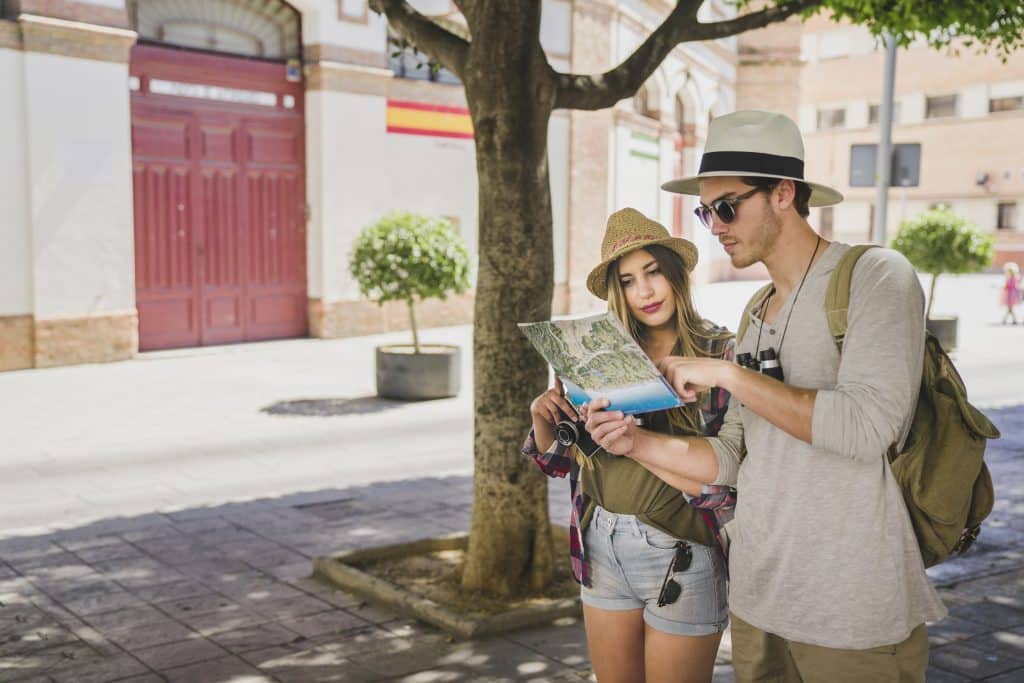
The Shift Towards Authenticity in Travel
Travelers today are increasingly aware of the environmental, social, and cultural impacts of tourism. As a result, there has been a growing desire to experience destinations in a way that supports local communities, preserves cultural heritage, and minimizes harm to the environment. This change in mindset has shifted the focus from mass tourism to more personalized and immersive experiences.
Why Focus on Local Culture?
Focusing on local culture offers a wealth of benefits to both the traveler and the destination:
- Deeper Connections: Travelers get to experience the true essence of a place, forging meaningful connections with locals and understanding their way of life.
- Support for Local Communities: Cultural tourism helps support small businesses, artisans, and local guides, fostering economic growth and preserving traditions.
- Sustainability: By engaging with the culture directly, travelers can contribute to sustainable tourism practices that emphasize conservation and community empowerment.
1. Culinary Tourism: A Taste of Tradition
One of the most prominent ways that travel guides are immersing tourists in local culture is through food. Culinary tourism allows travelers to engage with a destination’s history, traditions, and people through their cuisine. This trend has gained significant momentum, especially with the rise of food-based travel documentaries, blogs, and cooking shows.
Travelers can now participate in cooking classes, visit local markets, and dine with local families to learn about the dishes that define a culture. The key here is authenticity – rather than dining at a touristy restaurant, travelers are seeking opportunities to taste food made from ingredients grown locally and prepared in traditional ways.
Examples of Culinary Travel Experiences:
- Italy: Learning how to make pasta from scratch in a Tuscan villa or participating in a wine-tasting tour through the vineyards of Chianti.
- Japan: Participating in a sushi-making class with a master chef or visiting local fish markets in Tokyo to learn about the region’s seafood culture.
- Mexico: Experiencing traditional Oaxacan cooking with a local family, exploring the rich flavors of mole, and learning about indigenous ingredients.
Travel guides focused on culinary experiences not only allow for deeper cultural engagement but also give travelers the opportunity to understand the history and significance behind every dish, helping preserve these culinary traditions for future generations.
2. Community-Based Tourism: Giving Back to Locals
Community-based tourism (CBT) is an emerging trend where travelers stay in local communities, participate in activities that directly benefit the area, and engage with locals in an authentic, sustainable way. This form of travel emphasizes cultural exchange, economic development, and environmental conservation, while helping visitors understand the complexities of life in these communities.
Many travel guides are now focusing on CBT as a way to foster positive relationships between visitors and local people. By focusing on community-driven tourism, these guides highlight the benefits of traveling in a way that supports local economies and empowers residents.
How CBT is Transforming Travel:
- Volunteering Opportunities: Many tours include volunteering activities, allowing travelers to contribute to local projects such as teaching, environmental conservation, or community development.
- Homestays and Eco-lodges: Instead of staying in large resorts, travelers are encouraged to stay with locals in homestays or eco-lodges, allowing them to learn about local life firsthand.
- Cultural Immersion: Travelers can join in traditional rituals, festivals, or daily activities like fishing, farming, or crafts, making their trip a fully immersive experience.
Incorporating CBT into travel guides allows travelers to leave a positive impact on the places they visit, promoting long-term sustainability and a more meaningful travel experience.
3. Sustainable Tourism: A Growing Priority
As global awareness of climate change and environmental degradation grows, sustainable tourism has become more important than ever. The travel industry is increasingly embracing eco-friendly practices that minimize the carbon footprint of tourism, from using renewable energy to reducing waste and promoting responsible wildlife tourism.
Travel guides focusing on local culture are now integrating sustainability into their recommendations, encouraging travelers to support environmentally-conscious businesses, respect wildlife, and make more sustainable travel choices. Many of these guides highlight destinations that prioritize eco-tourism, showcasing activities like hiking, birdwatching, and wildlife conservation, which directly contribute to preserving the environment.
Sustainable Travel Tips:
- Eco-friendly Accommodations: Look for lodges, hotels, or homestays that have received eco-certifications or practice sustainability by using local materials and reducing waste.
- Respect for Local Wildlife: Choose wildlife tours that prioritize animal welfare and support conservation efforts rather than exploitative practices.
- Low-Impact Travel: Opt for transportation options with minimal environmental impact, such as trains, buses, or bicycles, instead of flights or private vehicles.
Sustainable tourism not only supports the environment but also promotes cultural preservation by encouraging practices that protect local ecosystems and communities.
4. Immersive Cultural Experiences: Learning from Locals
A growing trend in travel guides is the inclusion of immersive cultural experiences that allow travelers to learn directly from locals. Whether through art workshops, language lessons, or guided tours, these experiences give visitors the opportunity to develop a deeper understanding of a destination’s culture.
For example, travelers may participate in a traditional craft-making workshop, where they learn how to weave textiles or make pottery using techniques passed down through generations. This hands-on approach not only benefits the traveler but also helps keep ancient traditions alive.
How to Find Immersive Cultural Experiences:
- Workshops and Classes: Seek out opportunities to learn local crafts, cooking techniques, or art forms that are integral to the culture of the area.
- Cultural Festivals: Attend local festivals and celebrations to engage with the community and experience the destination’s traditions, music, dance, and cuisine.
- Local Guides: Instead of opting for generic tours, hire a local guide who can provide insight into the area’s history, culture, and current issues from a resident’s perspective.
These immersive experiences allow travelers to connect with the local culture on a much deeper level, making their travels not only enjoyable but also educational and enriching.
Conclusion: Traveling With Purpose
The demand for travel guides focused on local culture is a response to travelers’ desire to connect more deeply with the places they visit. Whether through culinary tourism, community-based travel, or immersive cultural experiences, these guides enable travelers to learn about and appreciate a destination’s history, traditions, and people. This trend represents a shift from traditional, surface-level sightseeing toward more authentic and sustainable travel experiences.
As travelers seek to make more responsible and meaningful choices, focusing on local culture offers the perfect opportunity to make a positive impact while enjoying enriching, unforgettable experiences. So, next time you plan a trip, consider a guide that allows you to explore the true heart of a destination, rather than just its tourist attractions.
References
- Sustainable Travel and Tourism- https://www.untourism.int/sustainable-development
- Immersive Cultural Experiences- https://www.tandfonline.com/
- Community-Based Tourism- https://www.researchgate.net

 Steps to Build Healthy Daily Habits