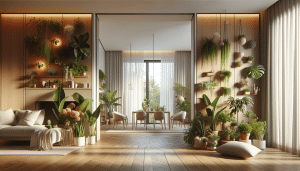
Uncommon Ways You Can Refresh Your Living Space
Isabella Rossi September 25, 2025
Discover innovative home improvement ideas that help transform ordinary rooms into personalized retreats. This guide explores affordable upgrades, sustainable options, and surprising trends—making it easier to create a home that truly reflects you.
Making Small Spaces Surprisingly Spacious
Many people believe that cozy apartments or compact homes limit interior design. However, simple tricks can give even small rooms an airy, open feel—no construction required. The strategic use of mirrors, for example, can visually double the space and reflect natural light into darker corners. Investing in multi-purpose furniture, such as ottomans with hidden storage or foldaway tables, also helps create room to breathe. These home improvement strategies make daily life more comfortable and functional without requiring a major remodel. With thoughtful arrangement and the right design elements, anyone can maximize their home’s potential no matter its size.
Vertical storage solutions are a powerful tool for creating order in a small space. Wall-mounted shelves and hanging organizers eliminate clutter from tabletops and countertops, resulting in a tidier, more relaxing environment. Choosing lighter color palettes for walls, curtains, and upholstery expands visual perception, making rooms seem larger. Even subtle changes—like rearranging furniture to improve traffic flow—can transform how a room feels and functions for residents. With a little creativity, maximizing limited floor area becomes a rewarding project, leading to a fresh sense of openness.
Less is often more when it comes to decor. By adopting a minimalist approach and displaying only cherished or practical items, rooms become more serene and inviting. The adoption of open shelving instead of bulky cabinets keeps essentials accessible and creates a seamless transition between different zones in an open-plan layout. Embracing dual-purpose décor, such as storage benches or nesting tables, further supports flexibility—a crucial asset for those who frequently host guests or change up their interiors. These adjustments reflect a growing trend toward adaptable, clutter-free living tailored to individual lifestyles.
Sustainable Upgrades for Long-Term Value
Sustainability in home improvement has taken center stage recently, with homeowners seeking ways to reduce their environmental impact and lower energy bills. Swapping outdated light bulbs for LEDs is a quick win, providing bright illumination while consuming less electricity. Window treatments that block excessive heat or cold help regulate indoor temperatures and may lead to noticeable savings over time. Upgrading insulation or weather-stripping doors and windows can further boost a home’s energy efficiency, benefiting both comfort and the planet. These green upgrades align with national and international recommendations and often qualify for incentives.
Eco-friendly flooring options have gained popularity, offering both aesthetics and a smaller environmental footprint. Bamboo and cork floors, for instance, are renewable and durable alternatives to traditional hardwood. Low-VOC paints ensure healthier indoor air quality, a critical factor for families with young children or those sensitive to allergens. Water-saving fixtures, such as low-flow toilets and efficient showerheads, help conserve resources and reduce monthly water bills. By integrating sustainable materials and smart technologies, homeowners pave the way toward a more resilient and environmentally conscious space.
Solar-powered gadgets, from patio lights to phone chargers, are small investments that contribute to greener living. Homeowners increasingly turn to smart thermostats and programmable lighting systems, which optimize energy use based on real-time needs. These changes not only protect the environment but may also increase a property’s market appeal and value (Source: https://www.energy.gov/energysaver/smart-home-technologies). Thoughtful design choices—such as planting native species in the garden—support local ecosystems and reduce maintenance needs. Embracing sustainability offers immediate comfort and lasting benefits for generations.
Surprising Color Trends and How They Change a Room
The emotional power of color is often overlooked in home design. Popular trends now move beyond neutral grays and beiges, exploring unexpected palettes such as earthy terracotta, muted sage, or gentle blush. These shades invite calm, creativity, or intimacy, changing how inhabitants relate to their environment. Using accent walls or bold furniture pieces to introduce color can redefine the entire mood of a living space, sparking inspiration and conversation. Understanding the psychology of color helps homeowners make choices that support daily routines and mental wellness.
Layering color involves more than painting walls. Incorporating vibrant textiles, area rugs, and throw pillows can quickly refresh a room without major renovation. Rotating accessories by season adds intrigue and allows personal expression. Trends such as two-toned cabinets or color-blocked shelving show how even subtle shifts in hue create focal points and highlight architectural features. Natural light plays a critical role, so it’s wise to test color samples at different times of day before making a commitment. This experimentation keeps interiors looking dynamic and current.
Personal preferences remain paramount in crafting a welcoming home. While trending colors generate excitement, classic palettes—like navy and cream, or olive and gold—also stand the test of time. There’s freedom to mix and match styles, ensuring rooms reflect both functionality and personality. Those seeking guidance can find inspiration from design platforms and nonprofit organizations dedicated to accessible, inclusive décor (Source: https://www.houzz.com/magazine/color). The right color choices add daily delight, making every corner of a home unique.
Outdoor Spaces That Invite Relaxation
Transforming outdoor areas into year-round sanctuaries is a growing priority among homeowners. Balconies, patios, and gardens need not be grand to feel inviting. Introducing weatherproof seating and layered textiles—such as cushions, rugs, or lightweight throws—creates an atmosphere reminiscent of an indoor lounge. Simple upgrades like string lights or solar path markers further enhance ambiance, extending usable hours outdoors and making everyday moments memorable (Source: https://www.garden.org/learn/articles/view/4198/).
Native plantings and container gardens offer color and biodiversity while demanding little maintenance. Raised beds and vertical planters maximize tight spaces, producing edible herbs and vegetables for kitchen use. Incorporating water features, such as a small fountain or bird bath, brings soothing sound and attracts local wildlife, fostering a sense of connection with nature. These elements help create a personalized retreat, whether for solitary relaxation or social gatherings.
Privacy screens, pergolas, or trellises draped in climbing vines transform overlooked spots into cozy nooks. Choosing durable, eco-conscious materials ensures that outdoor sanctuaries remain enjoyable through changing weather conditions. With the growing popularity of outdoor living, creating comfortable, stylish environments outside has become more accessible to all. Every yard or balcony holds potential to expand a home’s livable space, supporting well-being and leisure year-round.
Easy Smart Home Integrations Anyone Can Try
Smart home technology is now more approachable than ever, offering intuitive solutions for everyday tasks. Programmable thermostats, wireless speakers, and voice assistants are just the beginning. Entry-level devices can be installed without altering walls or rewiring, allowing renters and homeowners alike to benefit from modern conveniences. Setting up routines—for example, automatic dimming at night—saves energy and streamlines daily life.
Many people experiment with security upgrades, like video doorbells and window sensors, for peace of mind. These systems often integrate seamlessly into smartphones or tablets, giving real-time alerts and remote control options regardless of location. Simple devices—such as touchless faucets or smart plugs—enable hands-free operation and improved hygiene. The market for connected home gadgets is expanding, with a focus on accessibility and user-friendly design (Source: https://extension.psu.edu/an-introduction-to-smart-home-technology).
Cost-effective solutions empower households to reduce utility costs while customizing their environments. Smart lighting, for instance, adapts to resident behavior, lowering usage when rooms are empty. Automated blinds can be programmed to respond to sunlight, preserving privacy and comfort. These advancements illustrate how technology and home improvement blend to deliver flexible, modern living spaces. Experimenting with one or two devices is a low-commitment way to discover lasting lifestyle enhancements.
Refreshing on a Budget: Where Spending Less Gets More
Updating your living space need not strain your finances. Thrift stores, online marketplaces, and community swaps offer gently used furnishings and décor opportunities. Repurposing items—like painting an old dresser or making wall art from leftover fabric—adds character while minimizing waste. When purchases are needed, focusing on classic, multi-purpose pieces prevents regret. Even switching out lampshades or cabinet hardware quickly refreshes the look of a room (Source: https://www.habitat.org/stories/home-refresh-affordable-diy-ideas).
DIY projects foster creativity and foster pride in a personalized home. Simple improvements, such as installing a peel-and-stick backsplash, cost a fraction of traditional tiles yet deliver striking visual updates. Window treatments, green plants, and curated gallery walls adapt to fluctuating tastes and seasonal change. Leveraging sales on quality paint or hardware spreads improvement projects over time, reducing upfront costs without sacrificing style or comfort.
Community resources like tool lending libraries and neighborhood workshops connect residents with affordable options, trade expertise, and foster a sense of belonging. Many nonprofit organizations and online platforms share free or low-cost guides to accessible home improvement (Source: https://freshome.com/inspiration/budget-home-improvement-ideas/). Thoughtful changes—regardless of scale—can spark renewed excitement about daily life and inspire others to take meaningful action within their own homes.
References
1. U.S. Department of Energy. (n.d.). Smart Home Technologies. Retrieved from https://www.energy.gov/energysaver/smart-home-technologies
2. Houzz. (n.d.). Color Trends. Retrieved from https://www.houzz.com/magazine/color
3. Garden.org. (n.d.). Creating Outdoor Living Spaces. Retrieved from https://www.garden.org/learn/articles/view/4198/
4. Penn State Extension. (n.d.). An Introduction to Smart Home Technology. Retrieved from https://extension.psu.edu/an-introduction-to-smart-home-technology
5. Habitat for Humanity. (n.d.). Home Refresh: Affordable DIY Ideas. Retrieved from https://www.habitat.org/stories/home-refresh-affordable-diy-ideas
6. Freshome. (n.d.). Budget Home Improvement Ideas. Retrieved from https://freshome.com/inspiration/budget-home-improvement-ideas/

 Can You Turn Ideas Into Income Streams Online