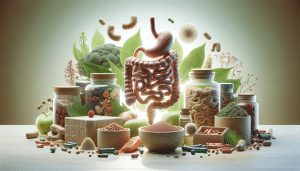
Unlocking the Power of Gut Health for Your Wellbeing
Sofia Alvarez October 16, 2025
Curious about why gut health matters? This engaging guide explores how your digestive system influences everything from energy to mood, and why focusing on gut microbes could transform overall wellbeing. Discover practical tips, the science behind gut-brain links, and strategies for balanced living.
The Foundation of Good Health Lies in the Gut
Many people wonder why there’s so much talk about gut health these days. The digestive system is not just about processing food; it’s a complex network where trillions of microbes—often termed the gut microbiome—work together, influencing how you feel every day. Scientists have discovered that gut microbes affect more than nutrient absorption. They also interact with your immune system, helping to defend against harmful invaders and reducing inflammation in the body. There are now suggestions that a thriving microbiome even supports energy production and aids in fighting off common illnesses. Evidence continues to grow, showing the gut’s remarkable contributions to wellness (Source: https://www.ncbi.nlm.nih.gov/books/NBK459455/).
Every meal introduces new substances to the digestive tract, impacting the balance of microorganisms living within. This daily interaction can either enhance or disrupt the ecosystem of bacteria, fungi, and viruses that work to process nutrients and keep harmful pathogens at bay. By making mindful choices—such as increasing fiber-rich vegetables, incorporating fermented foods, and limiting ultra-processed snacks—you encourage your gut microbes to flourish. As studies suggest, these changes don’t just benefit digestion. They have a ripple effect on skin health, immunity, and the body’s natural detoxification processes (Source: https://www.hsph.harvard.edu/nutritionsource/microbiome/).
But what about people dealing with common issues like bloating or irregularity? This is where understanding gut health makes a difference. Symptoms such as discomfort or sluggishness can be the body’s way of signaling an imbalance. Supporting the gut with diverse foods, adequate hydration, and a regular sleep schedule can provide natural relief. As awareness grows, a wider array of wellness plans now account for digestive health as a core component (Source: https://www.cdc.gov/healthyweight/healthy_eating/index.html).
The Surprising Connection Between Gut and Brain
Recent research has unraveled a powerful relationship between gut health and brain function, often called the “gut-brain axis.” Signals travel bi-directionally, linking emotional wellbeing and digestive patterns. Experiencing stress can disrupt the balance of your gut microbiota, making you more vulnerable to digestive complaints. Conversely, a healthy gut may help support emotional stability and resilience. Some emerging evidence highlights that certain probiotics could even play a role in mood regulation. This shows the digestive system’s unique influence on mental clarity, focus, and overall quality of life (Source: https://www.health.harvard.edu/blog/gut-brain-connection-2019051616560).
Choices like balanced eating, gentle movement, and meditation can reinforce the gut-brain connection. Some individuals report feeling less anxious and more focused after shifting to a diet high in plant-based foods and lower in sugar. Healthcare practitioners often suggest that restoring gut balance can be a supportive addition to traditional approaches for mood and anxiety management. This insight inspires both scientists and everyday people to pay attention to digestive comfort and emotional responses. It’s about finding harmony between body and mind—often through things as simple as a consistent mealtime or a walk outdoors.
The diversity of gut bacteria seems especially important for mental health. Increasingly, experts recommend varied meals that introduce new plant fibers and fermented products, which are rich in beneficial microbes. These dietary changes do more than nourish the body physically; they can indirectly strengthen psychological wellbeing overall. By cultivating a healthier gut, people may also cultivate a more resilient mind (Source: https://www.ncbi.nlm.nih.gov/pmc/articles/PMC5641835/).
How Diet Influences Gut Microbiota Diversity
The gut thrives on diversity, and diet plays a central role in shaping what types of bacteria dominate. Consuming a range of prebiotics, which are fibers found in foods like onions, leeks, and whole grains, provides a feast for beneficial microbes. These nutrients help good bacteria multiply and maintain a balance against potentially harmful ones. Without enough variety, specific bacterial strains may overgrow, occasionally leading to discomfort or altered immune responses. Nutritionists regularly encourage experimenting with colorful vegetables, legumes, and fruits to broaden the healthy spectrum of gut microbes (Source: https://www.gutmicrobiotaforhealth.com/how-to-diversify-your-gut-microbiota/).
Not all carbohydrates are created equal when it comes to gut support. Highly processed foods can dramatically reduce the richness of the microbiome, sometimes within just a few days. On the other hand, fermented items like yogurt, kefir, and sauerkraut introduce living cultures that replenish microbial communities and support digestive comfort. Epidemiological studies suggest that populations with plant-heavy, unrefined diets show greater microbial abundance—and often experience fewer inflammatory digestive issues as a result (Source: https://www.cdc.gov/nutrition/healthy-eating-for-a-healthy-weight/index.html).
It is not just about what’s eaten but also how meals are structured. Spacing out times between meals allows your gut “cleaning crew” (the migrating motor complex) to function properly, sweeping debris along the digestive tract. Hydration further supports digestion and microbial activity. Paired together, a mindful eating schedule and a focus on nutrient-dense variety can make a noticeable difference in day-to-day wellness for many people.
Signs That Point to Gut Health Imbalances
Many subtle signs may indicate it’s time to nurture the gut. Frequent bloating, excess gas, constipation, or recurring diarrhea are all signals that the digestive tract may require extra care. Sometimes, these symptoms relate to shifts in microbiome diversity, especially after illness, antibiotic treatment, or periods of high stress. If left unchecked, these changes can sometimes lead to reduced nutrient absorption or a weakened immune barrier. While not every symptom requires immediate concern, tracking patterns can help when discussing options with a healthcare professional (Source: https://www.gastro.org/practice-guidance/gi-patient-center/topic/keeping-your-gut-healthy).
Gut health concerns may also appear as skin irritation or fluctuations in mood. The body’s systems connect in astonishing ways, and the gut is often at the center of the web. Some individuals experience clearer skin, better sleep, and even improved focus after attending to digestive wellbeing. These improvements suggest that a flourishing microbiota plays a role far beyond what happens in the stomach or intestines. Exploring these links continues to be a focus of medical research and wellness circles alike.
What happens inside the gut is not always visible on the surface, but learning to recognize patterns can empower proactive self-care. Simple adjustments, like slowly introducing more fibrous plants, hydrating regularly, and prioritizing restful nights, can transform how one feels from the inside out. Some find that keeping a food and symptom journal reveals connections between habits and digestive comfort, guiding future choices with greater confidence.
Simple Ways to Support Gut Health Every Day
For many, the journey to happier digestion starts with curiosity and small steps. Increasing variety in the daily menu helps expose gut microbes to a broader range of fibers and nutrients. Even subtle shifts—like sprinkling seeds on breakfast or adding a new grain at lunch—can spark changes in microbial diversity and digestive ease. Regularly including fermented foods, such as kimchi, tempeh, or plain yogurt, offers live beneficial bacteria that strengthen the gut’s resilience.
Staying hydrated plays a vital part in keeping digestion smooth, as water assists the entire length of the GI tract. Gentle physical activity, such as walking or yoga, encourages healthy movement in the intestines and supports faster recovery from sluggishness. Stress-reduction techniques, including deep breathing or a quiet moment before meals, also help keep the delicate gut-brain axis balanced and responsive. A few mindful practices can lead to noticeable improvements in wellbeing over time.
Regular sleep is another pillar often overlooked. The gut’s rhythm aligns closely with sleep cycles, and disruptions can create imbalance. Studies show that people who get steady, sufficient rest tend to have more robust microbiomes and better digestive comfort. As trust in the gut’s role in health grows, these simple habits are taking center stage as the foundation of wellness routines everywhere (Source: https://www.scripps.org/news_items/7217-five-tips-for-better-gut-health).
Looking Ahead: When to Seek Professional Guidance
While everyday strategies help most people maintain gut harmony, persistent or severe digestive issues warrant professional attention. Chronic discomfort, unexplained weight changes, recurring gastrointestinal bleeding, or suspected food allergies should always be discussed with a healthcare provider. Specialist testing can uncover underlying causes and inform personalized care plans. Seeking expert guidance ensures safety, especially for individuals who already have complex medical histories, autoimmune conditions, or immune deficiencies.
Medical experts use advanced tools to assess digestive health, including breath tests for bacterial overgrowth or stool analyses for microbial diversity. They may recommend modifications in diet, stress management, or targeted supplementation for best results. Individualized plans are crucial, as gut health needs vary significantly from person to person. Quick answers rarely suffice. Instead, thoughtful, evidence-based care leads to more sustainable balance and comfort over time.
Remember, maintaining good gut health is an ongoing process shaped by daily routines and self-reflection. Regular check-ins with trusted practitioners, especially after illness or life changes, offer reassurance and early intervention if needed. With professional insights and a proactive mindset, nurturing the gut can enrich wellbeing for years to come.
References
1. National Center for Biotechnology Information. (n.d.). Gut Microbiota. Retrieved from https://www.ncbi.nlm.nih.gov/books/NBK459455/
2. Harvard T.H. Chan School of Public Health. (n.d.). The Nutrition Source: Microbiome. Retrieved from https://www.hsph.harvard.edu/nutritionsource/microbiome/
3. Centers for Disease Control and Prevention. (n.d.). Healthy Eating for a Healthy Weight. Retrieved from https://www.cdc.gov/healthyweight/healthy_eating/index.html
4. Harvard Health Publishing. (n.d.). The gut-brain connection. Retrieved from https://www.health.harvard.edu/blog/gut-brain-connection-2019051616560
5. Gut Microbiota for Health. (n.d.). How to diversify your gut microbiota. Retrieved from https://www.gutmicrobiotaforhealth.com/how-to-diversify-your-gut-microbiota/
6. Scripps Health. (n.d.). Five Tips for Better Gut Health. Retrieved from https://www.scripps.org/news_items/7217-five-tips-for-better-gut-health

 Unlocking Business Growth with Startup Accelerators