Wellness Routines That Reduce Stress Naturally
Sofia Alvarez September 19, 2025
In today’s fast-paced world, stress has become a common part of daily life. The pressures of work, family, and personal commitments often leave little time for relaxation, leading to physical and mental burnout. However, there is good news: adopting wellness routines that reduce stress naturally is not only possible but also essential for maintaining balance and health. By incorporating simple and sustainable practices into your daily life, you can improve your overall well-being and combat stress effectively.
This article will explore wellness routines and strategies that help reduce stress, including emerging trends and practices that have gained significant traction in recent years. From mindfulness techniques to physical exercise, these approaches can be tailored to your lifestyle and provide long-term relief from stress.
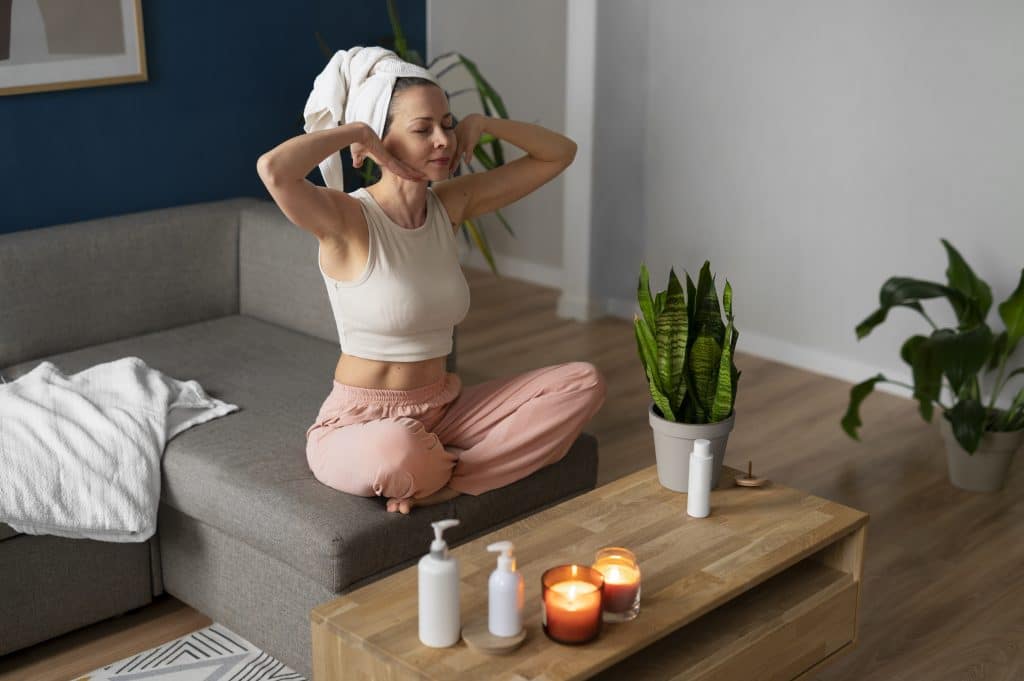
1. Mindfulness Meditation: Cultivating Calm in a Chaotic World
Mindfulness meditation has become one of the most popular and effective ways to manage stress. Rooted in ancient Buddhist practices, it involves focusing your attention on the present moment, observing your thoughts without judgment. The benefits of mindfulness extend beyond stress relief, helping to improve emotional regulation, cognitive focus, and even physical health.
Why It Works:
- Reduces Cortisol: Research has shown that mindfulness meditation can lower cortisol, the stress hormone, leading to a more relaxed state.
- Increases Resilience: Regular practice can help increase your ability to cope with challenging situations by fostering a calm and balanced mindset.
- Improves Emotional Health: Mindfulness improves self-awareness and emotional regulation, which reduces feelings of anxiety and depression.
How to Implement:
- Start Small: Begin with just 5-10 minutes of mindful breathing or guided meditation each day.
- Use Apps: Many apps, such as Headspace or Calm, offer guided meditations and mindfulness exercises tailored to different needs.
- Create a Calm Environment: Designate a quiet space for your practice. Dimming the lights, using essential oils, or playing calming music can help enhance relaxation.
2. Yoga: A Holistic Approach to Stress Management
Yoga combines physical postures, breathing techniques, and meditation to promote relaxation, flexibility, and mindfulness. It is one of the most well-established wellness routines for reducing stress naturally and improving both mental and physical health.
Why It Works:
- Activates the Parasympathetic Nervous System: Yoga’s focus on deep breathing and slow movements helps activate the parasympathetic nervous system, which is responsible for rest and relaxation.
- Relieves Muscle Tension: Physical postures stretch and release built-up tension in the body, easing stress-related aches and pains.
- Enhances Mental Clarity: The practice encourages present-moment awareness, which can clear the mind of distractions and worries.
How to Implement:
- Join a Class or Use Online Resources: If you’re new to yoga, consider attending a beginner class or using online platforms like YouTube or apps such as Daily Yoga.
- Try Different Styles: There are various types of yoga, from the more dynamic Vinyasa to the calming Hatha or restorative Yin yoga. Experiment to see which suits your needs.
- Incorporate Breathing Techniques: Focus on deep, controlled breathing during your yoga practice. Pranayama, the practice of controlled breathing, has been shown to reduce stress and anxiety.
3. Physical Exercise: A Proven Stress-Buster
Exercise is one of the most effective ways to reduce stress naturally. It boosts endorphins, the body’s natural “feel-good” chemicals, and provides an outlet for built-up tension. Whether through cardiovascular workouts, strength training, or stretching exercises, physical activity helps manage stress and improve overall health.
Why It Works:
- Boosts Endorphins: Regular exercise increases the release of endorphins, which improve mood and help reduce feelings of anxiety and stress.
- Improves Sleep Quality: Exercise improves sleep quality, which is essential for stress recovery.
- Increases Energy: While it might seem counterintuitive, regular physical activity actually increases overall energy levels, which can combat the fatigue caused by stress.
How to Implement:
- Find What You Enjoy: Whether it’s running, cycling, swimming, or yoga, find an activity that you genuinely enjoy. This makes it easier to stick to your routine.
- Set Realistic Goals: Start with small, achievable goals and gradually increase intensity as your fitness improves. This keeps you motivated and ensures steady progress.
- Incorporate Movement into Your Day: If finding time for long workouts is challenging, incorporate short bursts of activity throughout the day, such as taking the stairs or walking during lunch.
4. Nature Walks: Reconnecting with the Outdoors
Spending time in nature has long been associated with stress reduction. Studies have shown that spending just 20 minutes in a natural setting can lower cortisol levels and improve mood. Nature walks, or “forest bathing” (Shinrin Yoku), are becoming an increasingly popular wellness routine for people looking to disconnect and recharge.
Why It Works:
- Calms the Nervous System: Nature walks help calm the autonomic nervous system, reducing stress and promoting relaxation.
- Improves Mental Health: Being in nature has been shown to lower symptoms of depression and anxiety while boosting overall mental well-being.
- Encourages Mindfulness: The natural world provides a peaceful, distraction-free environment to practice mindfulness and live in the moment.
How to Implement:
- Take Regular Walks: Aim for a walk in a park, forest, or green space at least a few times a week. Leave your phone behind to focus on the experience.
- Engage Your Senses: During your walk, pay attention to the sights, sounds, and smells around you. This mindful approach can help you feel more grounded and relaxed.
- Combine with Breathing: Take deep breaths while walking to enhance relaxation and increase the stress-relieving benefits of the activity.
5. Healthy Nutrition: Eating for Stress Reduction
What we eat can directly impact our stress levels. Certain foods have been shown to support the body’s ability to handle stress, while others may exacerbate stress by increasing inflammation or impairing sleep. A balanced, nutrient-rich diet is crucial for managing stress naturally.
Why It Works:
- Reduces Inflammation: A healthy diet rich in antioxidants, omega-3 fatty acids, and vitamins helps reduce inflammation, which can be exacerbated by stress.
- Supports Brain Function: Nutrients like magnesium and B vitamins support brain health and improve the body’s ability to cope with stress.
- Boosts Energy Levels: Eating balanced meals throughout the day provides sustained energy, helping you avoid the fatigue that often accompanies stress.
How to Implement:
- Eat Whole Foods: Focus on whole, nutrient-dense foods like leafy greens, nuts, seeds, whole grains, and lean proteins. Avoid excessive sugar and caffeine, which can spike stress levels.
- Incorporate Stress-Busting Foods: Include foods known for their stress-reducing properties, such as salmon (rich in omega-3s), dark chocolate (rich in antioxidants), and herbal teas like chamomile.
- Stay Hydrated: Dehydration can worsen stress, so make sure to drink plenty of water throughout the day.
6. Breathing Techniques: Simple Tools for Immediate Stress Relief
Deep breathing exercises are a simple yet highly effective method for managing stress. Practices like diaphragmatic breathing, box breathing, and the 4-7-8 technique can immediately activate the parasympathetic nervous system, helping to reduce stress and promote calmness.
Why It Works:
- Activates Relaxation: Deep breathing reduces the body’s fight-or-flight response, triggering the relaxation response and lowering stress levels.
- Improves Oxygen Flow: Breathing exercises improve oxygen intake, which can boost brain function and reduce feelings of anxiety.
How to Implement:
- Practice Box Breathing: Inhale for 4 counts, hold for 4 counts, exhale for 4 counts, and hold for 4 counts. Repeat this cycle several times.
- Use the 4-7-8 Technique: Inhale for 4 counts, hold your breath for 7 counts, and exhale slowly for 8 counts. This method helps slow the heart rate and calms the mind.
- Incorporate Breathing Breaks: Take short, 5-minute breathing breaks throughout the day to maintain a calm and focused state.
Conclusion: Sustainable Wellness Routines for Stress Relief
Incorporating wellness routines into your daily life that naturally reduce stress can lead to profound improvements in both mental and physical well-being. Practices like mindfulness meditation, yoga, exercise, nature walks, healthy nutrition, and breathing techniques offer simple and effective ways to manage stress without relying on medication or other interventions. By making these wellness practices part of your daily routine, you can foster a more relaxed, focused, and balanced life.
References
- Cultivating Calm in a Chaotic World- https://www.health.harvard.edu/
- A Holistic Approach to Stress Management- https://www.mayoclinic.org
- Reconnecting with the Outdoors- https://www.heart.org

 Gardening Tips That Maximize Plant Health