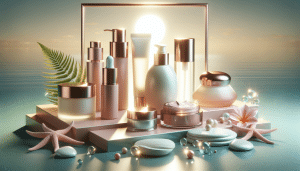
Why Moisturizing Matters for Healthier Skin
Sofia Alvarez September 25, 2025
Unlock the secrets of glowing, hydrated skin in this guide to everyday moisturizing. Explore how routine hydration supports the skin barrier, prevents irritation, and gives lasting radiance. This article includes natural hydration strategies, product types, and essential tips for unlocking your healthiest complexion.
The Importance of Daily Skin Hydration
Moisturizing is more than a beauty ritual. It’s the foundation of skin health and a key defense against environmental stressors. The skin barrier, made up of lipids and cells, is responsible for keeping moisture in and irritants out. When skin is not properly hydrated, this barrier can weaken, leading to dryness, itching, and a dull appearance. Experts recommend replenishing moisture daily to support optimal skin function and help the barrier recover from pollutants and harsh weather.
Consistent hydration offers noticeable benefits. It locks in essential water, so skin appears plumper and more resilient. Many individuals notice smoother texture and improved elasticity when using products with humectants, ceramides, or hyaluronic acid. The process doesn’t just impact the surface. Hydrated skin is less prone to microtears, which means there’s a reduced chance of irritation and redness. This makes moisturizing critical for both comfort and appearance.
Those with sensitive or allergy-prone skin can especially benefit from careful moisturizing. Applying gentle, fragrance-free creams may relieve discomfort and reduce the frequency of flare-ups. Not only does this help with immediate relief, but it also contributes to long-term barrier repair. Embracing daily hydration transforms self-care into science-backed skin wellness, putting everyday radiance within reach for everyone.
Moisturizer Types and How to Pick What Works
Choosing the right moisturizer can feel overwhelming. Formulas typically fall into three categories: humectants, emollients, and occlusives. Humectants, such as glycerin and hyaluronic acid, draw water into the skin from the environment and deeper layers. These are ideal for those with oily or combination skin seeking lightweight hydration without residue. Humectants also work well as a first step layered beneath other types.
Emollients like shea butter, natural oils, and fatty alcohols fill in rough or uneven areas, giving skin a silky, soft finish. These formulas are best for drier complexions or individuals experiencing flakiness. Occlusives, such as petrolatum or dimethicone, provide a protective seal over the skin, slowing water loss. Individuals exposed to wind, cold, or aggressive skincare ingredients benefit most from this category, as it delivers intense barrier support.
Product choice should also align with lifestyle. For instance, athletes or outdoors enthusiasts may prefer sweat-resistant or non-comedogenic options. Comparing ingredient lists, testing textures, and considering skin reactions over several days can help identify the most compatible formula. Mindful product selection enhances results and supports long-term hydration goals.
Natural Moisturizing Methods and Ingredients
Beyond commercial formulations, certain natural ingredients offer excellent moisture-boosting properties. Aloe vera, renowned for its calming and hydrating effects, soothes irritation and provides light hydration suitable for most skin types. Coconut oil, rich in medium-chain fatty acids, can be found in balms and body butters to address deeper dryness. Another popular option, oatmeal, is used in colloidal preparations to relieve itchiness and reinforce moisture balance.
Some people incorporate honey masks into weekly routines for extra nourishment. Honey’s humectant qualities help draw moisture to the skin, while its antibacterial properties may discourage breakouts. A simple DIY mask of mashed avocado also delivers antioxidants and omega fatty acids, locking in softness without harsh chemicals. These options are typically budget-friendly and can supplement a gentle, daily moisturizing routine.
While exploring home remedies, it’s important to check for sensitivities or allergies. A patch test behind the ear or on the forearm may help prevent reactions. Combining natural techniques with dermatologist-approved products allows for a holistic approach, ensuring both effectiveness and safety. Many find that these integrative practices maximize the skin’s comfort and glow year-round.
Hydration’s Role in Aging and Skin Resilience
Aging impacts skin’s ability to retain water, often leading to fine lines, sagging, and roughness. Research suggests that hydration can slow the visible effects of aging, as plumped skin shows fewer wrinkles and reflects light more evenly. Ingredients like hyaluronic acid are celebrated for attracting up to 1,000 times their weight in water, boosting skin fullness and bounce. Consistent hydration also supports smoother makeup application and a more youthful-looking finish.
External factors—sun exposure, pollution, and temperature swings—chip away at skin’s resilience over time. Well-moisturized skin better withstands daily stress and recovers faster from minor damage. Moisturizers with peptides and antioxidants further enhance defense, strengthening the matrix that gives skin its structure. For mature skin, products that combine moisture and barrier-repair actives deliver double the benefits.
Hydration’s protective effect extends to the prevention of common concerns like sensitivity, redness, or hyperpigmentation. Supporting skin’s natural elasticity through moisture helps fend off deep wrinkles and keeps complexion radiant. Over the long term, these daily habits become powerful allies against visible aging and environmental stress, keeping skin looking and feeling its healthiest.
Moisturizing Strategies for Different Skin Types
Every skin type has unique hydration needs. Oily skin, contrary to popular belief, still requires moisture. Lightweight, gel-based creams absorb quickly without clogging pores and may even help regulate sebum production. For dry skin, thicker creams featuring shea butter or natural oils supply lasting comfort. Layering lighter serums beneath a sealing moisturizer maximizes benefits for very parched areas.
Combination skin can be trickiest, with oily and dry zones demanding a mix of products. Spot moisturizing—using lighter formulas on the T-zone and richer creams on cheeks—can even out hydration levels. Sensitive skin benefits most from hypoallergenic and fragrance-free options, as these minimize irritation risks. Always check for non-irritating preservatives and avoid alcohol-heavy formulations that can dry out skin further.
Seasonal changes may call for tweaks in your routine. During colder months, increasing both the amount and intensity of moisturizer helps lock in moisture, while lighter lotions are often sufficient in hot, humid conditions. Listening to how skin feels and adapting accordingly keeps the complexion stable and comfortable no matter the climate.
Everyday Habits for Locking in Moisture
Effective moisturizing isn’t limited to the right products—it’s about timing and technique. Experts recommend applying moisturizer immediately after cleansing or bathing, while skin is still damp. This helps trap water on the surface, giving longer-lasting hydration. Gentle patting (rather than rubbing) helps avoid microtears and preserves the skin’s natural structure.
Other supportive habits include limiting hot showers, since excessive heat can strip the skin barrier. Using a humidifier during colder months adds moisture to indoor air and relieves ambient dryness. Drinking enough water also supports skin hydration from within, complementing external care. These daily practices add up for noticeably softer, healthier skin.
Layering products is another proven approach. Starting with a light serum or essence, followed by a cream, and finishing with an occlusive balm, helps target multiple hydration needs at once. Developing a routine and making small adjustments over time can transform how your skin feels and looks—subtle changes, sustained over weeks, lead to remarkable improvements.
References
1. American Academy of Dermatology Association. (n.d.). Skin care: How to moisturize. Retrieved from https://www.aad.org/public/everyday-care/skin-care-secrets/face/moisturizing
2. National Eczema Association. (n.d.). Moisturizing tips. Retrieved from https://nationaleczema.org/eczema/treatment/moisturizing/
3. Mayo Clinic. (n.d.). Dry skin: Diagnosis and treatment. Retrieved from https://www.mayoclinic.org/diseases-conditions/dry-skin/diagnosis-treatment/drc-20353892
4. Harvard Health Publishing. (n.d.). Moisturizers: Do they work? Retrieved from https://www.health.harvard.edu/staying-healthy/moisturizers-do-they-work
5. Cleveland Clinic. (n.d.). Face moisturizers: Why and how to use them. Retrieved from https://health.clevelandclinic.org/facial-moisturizers-benefits
6. Johns Hopkins Medicine. (n.d.). Skin health for adults. Retrieved from https://www.hopkinsmedicine.org/health/wellness-and-prevention/skin-health-for-adults

 Can You Really Learn a Language Online Fast