You Can Create a Thriving Pollinator Garden at Home
Isabella Rossi September 28, 2025
Curious about supporting bees and butterflies while beautifying your space? Discover how to start a pollinator garden at home, the types of flowers that attract pollinators, steps for transforming your yard, and the natural benefits such gardens bring for biodiversity, your health, and the environment.
Why Pollinator Gardens Matter
More homeowners are turning their attention to pollinator gardens as a way to support essential species like bees, butterflies, and hummingbirds. These gardens provide vital habitats for pollinators, many of which are experiencing population declines due to habitat loss and pesticide use. Creating a pollinator-friendly environment is not only rewarding but also essential for a flourishing home garden ecosystem. When you include native flowering plants in your landscaping, you directly contribute to sustaining biodiversity. Plus, even small plots or container gardens can play a crucial role in local pollinator survival.
The health of pollinators is closely tied to the overall success of food systems and natural plant cycles. By growing flowers that attract bees and butterflies, you help improve fruit and vegetable yields in your home garden. Even modest efforts, such as adding a patch of native wildflowers or switching to organic gardening methods, can create positive change for both urban and rural environments. Think of your pollinator garden as a small but mighty refuge that links up with other green spaces for a bigger impact.
Biodiversity isn’t just a buzzword. It’s a web of life that supports stable, resilient environments. Pollinators are often called ‘keystone species’ because their presence or absence has ripple effects throughout entire ecosystems. When you welcome butterflies or native bees, you’re not just inviting color and motion into your yard—you’re also helping to maintain healthy soils, cleaner air, and abundant harvests. And as more people install these gardens, entire neighborhoods become healthier and more beautiful over time.
Choosing the Right Plants for Pollinators
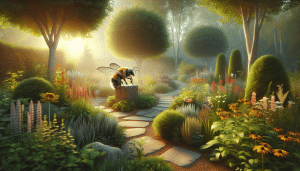
The true secret behind a successful pollinator garden lies in plant diversity and timing. Select a mix of native perennials, annuals, and shrubs that bloom from early spring through late fall. Early season flowers feed awakening bees, while late bloomers keep the nectar flowing for migrating insects. Wildflowers such as coneflower, milkweed, goldenrod, and bee balm are excellent choices to attract a range of pollinators. Dense clusters of the same species make it easier for pollinators to feed efficiently. Your choice of plants determines not only the beauty of your garden, but also its ecological value.
Native plants are especially important. They co-evolved with local pollinators, providing the best possible nutrition and shelter. While showy exotics might look stunning, they often don’t deliver enough nectar or pollen. Consider milkweed if you want to support monarch butterflies, or asters and sunflowers for native bees. Mixing flower shapes and sizes appeals to a wider variety of pollinators, including hummingbirds and beneficial insects. Diversity is the key—think beyond just looks and focus on function as well.
Don’t overlook woody plants. Flowering shrubs like blueberry, elderberry, and dogwood can offer early blooms and shelter for bees and butterflies. Add flowering herbs—basil, lavender, thyme—that attract both bees and human admirers. Remember, your choices influence the kinds of bees and butterflies you’ll see. Check with local nurseries or university extensions to find the best native plants for your area. The more locally adapted your plants, the better they’ll thrive—and the more pollinators you’ll bring home.
Design and Placement to Attract Pollinators
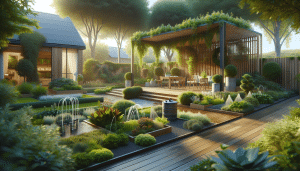
Designing a pollinator garden involves more than just picking pretty plants. Start with a sunny spot—most pollinator favorites require at least six hours of direct sunlight daily. Group flowers in masses of the same type, because large swathes are easier for pollinators to spot and use efficiently. Include shallow water sources, such as birdbaths with stones or shallow dishes, to give pollinators a place to drink and rest. Avoid strong winds and place taller plants at the back or center for protection and drama.
Layering adds interest and habitat. Use tall flowering perennials or shrubs at the rear and groundcovers or creeping herbs at the front. Aim for overlapping bloom times for consistent nectar and pollen offerings. Place large rocks or logs for overwintering pollinators and allow a small pile of leaves or bare earth for ground-nesting bees. Benches or pathways enhance your enjoyment, letting you observe activity up close without disturbing wildlife.
Organic mulch—like untreated wood chips or leaf mold—helps retain moisture and regulate soil temperature, supporting both plants and beneficial insects. Space your plants to allow airflow, as this prevents disease and makes it easier for pollinators to navigate. Avoid using landscape fabric or thick plastic mulches, since these create barriers for ground-nesting bees. The right garden layout means you’ll see—and hear—more buzzing, fluttering life in every season.
Creating a Healthy, Pesticide-Free Habitat
Pollinator health depends on a chemical-free environment. Many pesticides and herbicides harm or even kill the very insects you hope to attract. Instead, focus on building balanced ecosystems: encourage ladybugs, spiders, and birds that naturally control pests. Hand removing weeds and using compost for fertility strengthens your plant community and avoids unintended side effects on pollinators. The healthier your soil, the healthier your flowers and their visitors will be.
Integrated pest management (IPM) is a useful strategy here. Monitor your garden for pests, understand their life cycles, and act thoughtfully. Sometimes, tolerating a few chewed leaves is part of the process—nature is never perfect, but it is resilient. Avoid using even so-called ‘safe’ insecticides on flowering plants, as residue can still disrupt bee and butterfly populations. If problems persist, consult local extension services for advice on pollinator-friendly solutions.
Encourage healthy soil by mulching with compost, rotating flower species, and watering carefully. Diverse plantings naturally support beneficial insects and reduce outbreaks of common garden pests. Remember, every pollinator in your yard is part of a complex web—what benefits one may benefit many. By gardening organically, you align your practices with the rhythms of the natural world and provide steady support for all visiting pollinators.
Pollinator Gardens and Community Impact
Your pollinator garden can serve as an important link in a network of green spaces. Neighborhoods with lots of individual pollinator gardens create corridors that allow butterflies, bees, and birds to move safely and easily. When several households take small actions, the combined effect is dramatic—yards, parks, and school gardens become sanctuaries for wildlife. Even window boxes or rooftop gardens can add habitat value, especially in cities where green space is limited.
Pollinator gardens provide a unique opportunity for learning and community engagement. Children and adults alike get hands-on lessons in biology, ecology, and environmental stewardship. Community gardens and schools that create pollinator patches see benefits in increased vegetable yields and greater biodiversity. Local garden clubs often collaborate on projects, sharing seeds and advice to expand reach and results. A pollinator-friendly neighborhood is a vibrant, supportive place for both people and wildlife.
Finally, don’t underestimate the health and well-being benefits of connecting with nature. Tending a flower-filled garden reduces stress and fosters a sense of accomplishment. Outdoor activity encourages physical movement and time spent observing bees or butterflies calms the mind. In every way, a pollinator garden is an investment in the health of your home, your neighborhood, and the larger environment. Start with a square yard or a single pot—every plant makes a difference.
Tips for Getting Started and Long-Term Success
Ready to plant? Begin with local resources. Many universities and native plant societies offer plant lists and step-by-step guides tailored to your region. Start small if you’re new—try converting a section of lawn, adding a raised bed, or creating flower pots filled with native annuals. Document your progress and the pollinators you spot. Keeping a simple journal or taking photos helps track which species thrive, and what changes bring the most visitors.
Commit to sustainable practices for the long term. Water early in the day to minimize evaporation, and use drip irrigation or soaker hoses when possible. Reduce lawn areas or replace them entirely with native grasses and wildflowers. Consider joining local garden tours or sharing seeds, as a way to inspire others. The more you learn, the more resilient your pollinator garden will become—and the more you’ll enjoy each year’s new discoveries.
Celebrate seasonal shifts with plant choices that extend bloom time and keep your garden vibrant. Leave seed heads standing through winter to provide food for birds and overwintering insects. Share your experiences through community science programs or neighborhood events. The journey doesn’t end when the flowers fade—it continues as you nurture a living landscape full of movement and wonder, guiding others to do the same.
References
1. Xerces Society for Invertebrate Conservation. (n.d.). Pollinator Conservation. Retrieved from https://xerces.org/pollinator-conservation
2. Missouri Botanical Garden. (n.d.). Build a Pollinator Garden. Retrieved from https://www.missouribotanicalgarden.org/gardens-gardening/your-garden/help-for-the-home-gardener/advice-tips-resources/pollinator-gardens
3. U.S. Fish & Wildlife Service. (n.d.). Gardening for Pollinators. Retrieved from https://www.fws.gov/story/gardening-pollinators
4. USDA Forest Service. (n.d.). Attracting Pollinators to Your Garden. Retrieved from https://www.fs.usda.gov/wildflowers/pollinators/gardening.shtml
5. PennState Extension. (2022). How to Create a Pollinator-Friendly Garden. Retrieved from https://extension.psu.edu/how-to-create-a-pollinator-friendly-garden
6. Pollinator Partnership. (n.d.). Selecting Plants for Pollinators. Retrieved from https://www.pollinator.org/guides

 Secrets You Miss in All-Inclusive Travel Escapes