You Can Transform Small Gardens with Vertical Ideas
Isabella Rossi September 24, 2025
Looking for creative ways to maximize limited outdoor space? Vertical gardening offers innovative solutions for small gardens and balconies. Learn how vertical garden designs, wall planters, and clever DIY projects can bring lush greenery to almost any home—no large yard required.
Why Vertical Gardening Works for Small Spaces
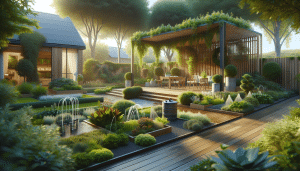
Vertical gardening transforms unused vertical space into a living canvas, making it ideal for small backyards, patios, and city balconies. By growing plants up instead of out, vertical gardens allow more flexibility, especially in urban environments. This method creates visual interest, increases privacy, and brings life to otherwise plain or concrete walls. Many gardeners find that vertical planting also helps with pest management, keeping delicate seedlings out of reach of common ground-dwelling insects. Plus, plants benefit from improved air circulation when positioned upright, which can contribute to healthier foliage throughout the growing season. As limited space is a frequent challenge in modern homes, vertical gardens present a practical, beautiful solution to the issue of restricted square footage.
The diversity of vertical garden ideas spans from hanging baskets to modular wall planters. Even a repurposed ladder or shoe organizer can host trailing flowers or leafy greens. Creative gardeners take advantage of existing fences, shelves, or railing systems to showcase their favorite plants. Choosing the appropriate design depends on available light, climate, and how much maintenance fits your lifestyle. Some home gardeners explore hydroponic or self-watering wall systems, while others prefer classic climbing plants like ivy or clematis. With so many options, nearly anyone can add greenery to their environment, regardless of outdoor space limitations.
Aside from aesthetics, vertical gardening can offer functional benefits. Wall gardens may provide shade, insulate homes, or even reduce noise in noisy neighborhoods. Many urban dwellers use edible plants—like herbs, salad greens, or strawberries—in vertical installations for convenient access when cooking. The flexibility of this gardening technique means it adapts to diverse architecture and personal tastes. Whether the goal is a lush, flowering oasis or a tidy veggie wall, vertical gardening remains a top trend for people looking to make the most of small outdoor spaces.
Smart Plant Choices for Thriving Vertical Gardens
Selecting the right plant varieties is crucial for a successful vertical garden. Compact, shallow-rooted species such as ferns, succulents, and herbs adapt well to wall planters. Trailing or climbing plants—think pothos, philodendrons, or peas—naturally drape and fill vertical frames, creating a lush effect. Native plants often thrive with minimal input and are adapted to local weather conditions, making them an environmentally responsible option for both indoor and outdoor vertical gardens. When grouping plants, gardeners often combine those with similar water, light, and soil needs to reduce maintenance and promote healthy growth. Some popular choices for culinary enthusiasts include basil, oregano, thyme, and compact cherry tomatoes. Edible flowers and dwarf varieties of fruit also add a burst of color and interest to small garden walls.
Sunlight exposure can greatly shape plant selection for vertical gardens. North-facing walls with limited light are ideal for shade-tolerant species like ferns, mosses, and begonias. In contrast, south-facing spaces typically suit sun-loving herbs, succulents, and ornamental grasses. Assessing microclimates is key, especially for balconies or patios shaded by neighboring buildings. Vertical garden frames may be customized with adjustable panels, allowing repositioning of planters as light shifts seasonally. Gardeners looking to minimize fuss can opt for drought-resistant or native species, which need less water and adapt better to elevated conditions where soil dries faster.
Some vertical systems can even support small vegetables, making it possible to harvest lettuce, radishes, or peppers in remarkably compact spots. Modular wall planters with deep pockets allow the cultivation of root vegetables such as carrots or beets. Incorporating a variety of foliage textures and leaf shapes creates visual depth and aesthetic appeal. Companion planting—placing mutually beneficial plants together—helps maximize limited space and protect against pests. By planning ahead and selecting appropriate species for the environment, vertical gardening enthusiasts can enjoy both beautiful decor and edible bounty.
Popular DIY Vertical Garden Projects and Tools
DIY vertical garden projects appeal to gardeners at all skill levels. Repurposing everyday items like wooden pallets, shoe organizers, or old gutters offers affordable and sustainable vertical growing solutions. Wooden trellises or mesh grids mounted to a sturdy wall support vining vegetables and flowering climbers. Some projects use pocket fabric planters—designed for easy watering and modular expansion—as a flexible option for renters or those with changing needs. Recycled plastic bottles, hanging mason jars, and even stacked crates can be transformed into unique mini-gardens. Each project allows you to express creativity and adapt the garden to your personal space requirements. Plus, they often cost less than commercial wall planters found in stores.
For a polished appearance, modular living wall kits and vertical planter towers are widely available at home improvement retailers. These systems typically include built-in irrigation or reservoirs, reducing maintenance for busy households. Starter kits are perfect for first-timers and offer a step-by-step approach to sustainable gardening. Installation often requires only basic tools: a drill, mounting hardware, and a level. Some designs are free-standing—no drilling needed—making them perfect for renters or spaces where permanent changes aren’t preferred. Maintaining good drainage and access to sunlight remains key, so positioning should be planned with care.
Smart gardening technology is changing how vertical gardens are maintained. Automatic drip irrigation systems, soil moisture sensors, and vertical grow lights enable gardeners to optimize plant health with little effort. These tools can be especially helpful for indoor vertical gardens or for those who travel frequently. Integrating technology helps streamline watering schedules and ensures plants receive the right amount of light, regardless of changing weather. For those seeking eco-friendly options, solar-powered irrigation kits are increasingly available. With this combination of ingenuity and tech, growing a lush vertical garden at home has never been more attainable.
Essential Care and Maintenance Tips
Once the vertical garden is installed, routine maintenance is essential for healthy growth. Watering habits may differ from traditional gardens, as wall planters often dry out faster due to wind and elevation. Drip irrigation or self-watering reservoirs can simplify care, ensuring consistent moisture. Regularly check for clogged drains to prevent water from pooling at the roots. Using high-quality potting mix, enriched with organic matter, supports plant vitality and keeps soil structure stable. Vertical gardens are prone to nutrient depletion, so a balanced fertilizer is recommended during the growing season. Trimming overgrown vines and removing dead leaves enhances air flow, which prevents mildew and plant diseases from taking hold. Additionally, inspect supports, hooks, or trellises for signs of strain, adjusting or reinforcing as needed.
Pest management is another consideration for vertical garden upkeep. Elevating plants often reduces the risk of slugs, snails, and soil-based pests, but aphids, spider mites, or whiteflies still pose a threat. Routine inspection and prompt removal of infested leaves helps prevent infestations from spreading. Some gardeners introduce beneficial insects like ladybugs to keep pests in check, while others prefer organic deterrents such as neem oil or insecticidal soap. Monitoring for stress symptoms—such as wilted foliage or stunted growth—offers clues that adjustments in watering or nutrients may be needed. Keep a small logbook to note changes in sunlight, watering, and plant health for ongoing improvement.
Seasonal changes also impact care routines. In cold climates, vertical garden frames may need protection from frost; removable planters offer flexibility to move delicate species indoors for the winter months. In hot, dry areas, shade cloth or regular misting can reduce heat stress and sun scorch. Rejuvenating or replanting sections each season maintains biodiversity and keeps displays fresh. Ultimately, ongoing observation is key to thriving vertical gardens—regular attention rewards gardeners with healthier, more productive plants year after year.
Creative Design Inspiration for Vertical Gardens
Creative design ideas help personalize vertical gardens and make them visually striking. Mixing plant heights, colors, and growth habits adds texture and flair to a living wall. Some home gardeners intersperse flowering annuals among leafy edibles for constant color and interest. Incorporating decorative features—such as mirrors, mosaic tiles, or garden art—enhances small outdoor areas and reflects light into shaded spots. Modular planters can be arranged in geometric patterns, zigzags, or waves for a modern twist. Displaying trailing vines, bushy herbs, and vertical vegetable columns together creates a dynamic, layered effect reminiscent of natural forest canopies. Regardless of style, the flexibility of vertical gardening enables each project to reflect personal taste and lifestyle.
For privacy enthusiasts, vertical screens lined with bamboo, tall grasses, or lush foliage make excellent green dividers between patios or balconies. These living partitions not only provide seclusion but also absorb noise and soften harsh architectural lines. Grouping aromatic herbs near windows or doors delivers fragrances indoors and attracts pollinators outside. Combining edibles, ornamentals, and air-purifying plants can transform any wall into an eye-catching work of art. The potential for experimentation is immense, and no two vertical gardens ever look quite the same.
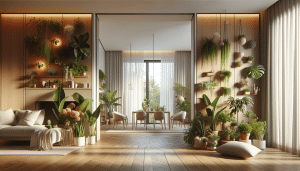
For homes without exterior space, indoor wall gardens bring natural beauty into kitchens, bathrooms, or living rooms. Compact hydroponic systems are designed specifically for indoor use, providing humidity and cleaner air as an added benefit. These living accents serve as conversation pieces while supporting wellness and sustainability. By mixing vertical elements—wood, metal, reused materials—with greenery, even the narrowest corners can be turned into lush displays. Whether for aesthetic appeal, privacy, or food production, vertical gardens continue to inspire and delight garden lovers everywhere.
Sustainable Benefits of Vertical Gardening
Vertical gardening offers numerous environmental and economic benefits. Compact design means less water is required compared to traditional gardens, making vertical gardens an efficient choice for water-conscious homeowners. Living walls contribute to insulation, lowering indoor energy needs and helping to moderate temperatures. Urban environments especially benefit from the air purification offered by dense plantings, with many species able to absorb toxins and pollutants. Rainwater runoff can be minimized when vertical gardens are used to green roofs or walls, supporting overall ecosystem health in built environments. These green installations may even increase property value by making outdoor spaces more appealing to prospective buyers.
Edible vertical gardens further promote sustainability by shortening food supply chains and reducing packaging waste. Fresh herbs and vegetables are available just steps from the kitchen, eliminating the need for transport or refrigeration. Many gardeners use organic methods, composting plant trimmings to enrich soil and reduce landfill use. Modular design means units can be disassembled, repurposed, or relocated as seasons or living arrangements change. Community gardens sometimes feature vertical installations to maximize shared land, increasing food security and social connection for residents.
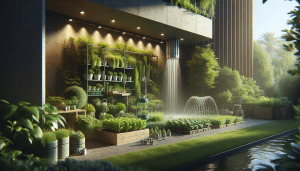
Biodiversity is also enhanced by vertical gardens, especially in urban areas with few natural habitats. Pollinator-friendly flora encourages visits from bees, butterflies, and beneficial insects. Some home gardeners incorporate bird feeders, bee hotels, or water features into their vertical displays. The opportunity to educate children about growing food, sustainability, and ecological systems is an added bonus. As awareness grows, vertical gardening remains a forward-thinking and environmentally friendly way to enjoy greenery in all types of homes.
References
1. Royal Horticultural Society. (n.d.). Vertical Gardening. Retrieved from https://www.rhs.org.uk/garden-features/vertical-gardening
2. The Old Farmer’s Almanac. (n.d.). Vertical Gardening Ideas for Small Spaces. Retrieved from https://www.almanac.com/vertical-gardening-ideas
3. U.S. Environmental Protection Agency. (2020). Using Green Roofs to Reduce Heat Islands. Retrieved from https://www.epa.gov/heatislands/using-green-roofs-reduce-heat-islands
4. University of Florida IFAS Extension. (n.d.). Growing Vertical Gardens. Retrieved from https://edis.ifas.ufl.edu/publication/EP466
5. Green Roofs for Healthy Cities. (2022). Benefits of Green Roofs. Retrieved from https://greenroofs.org/benefits-of-green-roofs/
6. Gardener’s Path. (2022). Vertical Gardening: A Complete Guide. Retrieved from https://gardenerspath.com/how-to/design/vertical-gardening/

 Unpacking Student Loan Forgiveness and What It Means for You