You Can Transform Small Spaces Into Thriving Gardens
Isabella Rossi October 31, 2025
Unlock the potential of every inch at home by creating vibrant container gardens, embracing vertical growing, and choosing low-maintenance plants. Learn how individuals successfully grow vegetables, flowers, and herbs even in apartments and tight spaces with sustainable methods.
The Magic of Container Gardening
Container gardening allows city dwellers and homeowners with limited yards to enjoy lush, produce-rich green spaces. Pots, buckets, and even recycled containers become vessels for vibrant color and fresh food. Flexible and customizable, this method invites gardeners to move plants as needed, arrange edible displays, and curate pocket gardens that thrive on balconies, patios, and sunny windowsills. The beauty of slotting vegetables, herbs, or compact flowers into containers is that almost anyone can participate, no matter the square footage available.
Beyond flexibility, container gardening helps manage soil quality, pest control, and microclimate factors. Choosing the right compost and potting soil ensures each plant receives optimal nutrients without the risk of poor yard conditions. Mounting containers on rolling platforms enables easy relocation for sunlight or weather protection. This adaptability is especially useful for those renting, since all the containers can travel to a new home. For those interested in fresh produce at home, tomatoes, lettuce, and strawberries perform especially well in container environments.
Maintenance remains straightforward, with watering and fertilizing schedules tailored to each plant’s needs. Drainage holes in containers prevent water-logged roots, and compact design means fewer weeds. Aesthetics matter, too: matching or contrasting pots establish design themes. Community library and extension services often offer workshops about maximizing harvests in small containers, connecting neighbors with tips and encouragement (Source: https://extension.colostate.edu/topic-areas/yard-garden/container-gardens-7-238/).
Vertical Gardens for Every Setting
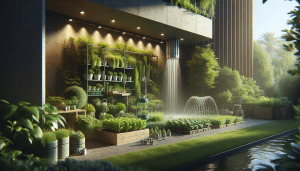
Vertical gardening unlocks enormous potential for those seeking to maximize limited home or balcony spaces. By training vining plants up trellises, stacking planters, or installing wall-mounted pots, gardeners multiply planting area without taking up valuable floor real estate. This technique works for flowering vines, trailing succulents, and even fruiting crops like peas or cucumbers. Mounted on fences or apartment rails, vertical systems enhance privacy while adding layers of foliage and blooms, creating natural art installations that double as living insulation.
Different structures offer solutions tailored to each environment. Pocket panels hold eco-friendly coir or soil for shallow-rooted herbs, strawberries, or salad greens. Stacked crates and recycled shoe organizers become creative vessels for leafy annuals. For renters, free-standing ladder racks or modular plastic towers require no permanent installation. Many gardeners discover the satisfaction of upcycling materials for sustainability and cost savings, making vertical gardens a practical choice for eco-conscious households (Source: https://www.bbg.org/gardening/article/vertical_gardening).
Maintaining vertical gardens involves paying close attention to watering needs, as top sections may dry out faster. Drip irrigation lines, catch trays, and mulching help keep moisture levels steady for all levels. Regular pruning prevents shading and allows air to circulate around the foliage, reducing disease risk. Many urban gardeners notice immediate benefits in both air quality improvement and mental well-being just from adding vertical plantings indoors or outdoors. Experimentation with plants and layouts keeps the experience rewarding season after season.
Choosing Low-Maintenance Plants
Low-maintenance plant selection matters for busy individuals and beginners eager to experience gardening success. Opting for drought-tolerant succulents, hard-to-kill foliage plants, or resilient herbs ensures thriving gardens with limited attention. Species such as jade, pothos, lavender, and thyme flourish indoors or on patios, adding greenery while tolerating sporadic watering and variable light. Plus, many of these plants naturally resist pests and diseases, further reducing the workload on their caretakers.
For outdoor or windowsill gardens, native plants acclimatized to local conditions need less intervention than fragile exotics. Extension offices and native plant societies provide lists of varieties suitable for each region’s climate and pollinators. Choosing compact, container-friendly varieties prevents overcrowding in small pots and allows for beautiful, manageable displays even as the collection grows. Many thrive in both full sun and low light corners, broadening options for every home (Source: https://hgic.clemson.edu/factsheet/gardening-in-containers/).
Some popular choices include aloe vera for its healing leaves, snake plants for air purification, and mint for constant kitchen use. Grouping plants with similar care needs maximizes ease while encouraging lush results, whether indoors or outside. Rotating selections seasonally keeps the garden fresh and encourages ongoing learning about what works best in the available space. Simple labels and a dedicated watering can make gardening feel approachable and routine for any newcomer.
Making the Most of Indoor Gardening
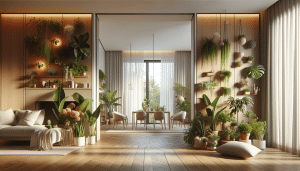
Indoor gardening revolutionizes urban living, bringing nature inside and enriching daily routines with a dose of green. South-facing windows or bright shelves become prime real estate for compact edible crops and decorative houseplants alike. Even without a balcony or yard, individuals achieve impressive yields from microgreens, chili peppers, and culinary herbs nurtured right on the countertop. Indoor plant care apps and smart sensors further demystify the process, sending reminders and alerts for watering and light adjustment needs.
Strategically placed grow lights extend daylight hours and make it possible to cultivate tomatoes, spinach, or dwarf citrus trees year-round. Self-watering planters and hydroponic kits simplify maintenance, minimizing mess and maximizing success for beginners and experts. These systems fit seamlessly into kitchen nooks, living rooms, or bedroom corners. By arranging plants in clusters, gardeners can enhance indoor air quality and create tranquil mini-ecosystems that benefit mood and focus (Source: https://www.epa.gov/indoor-air-quality-iaq/indoor-plants-and-air-quality).
With careful plant selection, indoor gardens can change with the seasons. Spring bulbs, summer herbs, and winter-blooming houseplants add dynamic variety. Many find that tending plants indoors strengthens connections to nature and reduces stress. Sharing cuttings, seeds, and growing tips with friends or local clubs fosters community and sparks continued inspiration for years to come.
Creative Uses for Recycled Materials
Resourcefulness and sustainability meet in home gardens crafted from recycled materials. Everyday objects often become eye-catching planters, from tin cans and teapots to shipping pallets and plastic bottles. This approach cuts costs and reduces waste, engaging creative instincts. Community blogs and social media channels abound with inspiration for upcycling, proving that style and function blend perfectly in DIY container garden projects. Appropriately sized containers and drainage holes support healthy roots and robust growth.
Repurposed materials bring unique character and sustainability. Painted tires, wooden crates, or old boots lend whimsy to patios and windowsills, while protecting the environment by keeping materials out of landfills. For added impact, integrating vertical supports from discarded lattice or shelving units increases garden space further. Local repair cafés or maker spaces sometimes offer workshops for transforming household items into planters and supports—the ideal place to pick up handy skills (Source: https://hgic.clemson.edu/factsheet/creative-container-gardening).
Gardening with recycled planters invites experimentation with arrangement and plant groupings. Since each container may have a unique shape or depth, matching plants to their preferred conditions yields impressive, eclectic results. Resin, terracotta, and ceramic containers each offer pros and cons, and mixing materials can create eye-catching displays. Ultimately, upcycled planters serve as conversation starters and spark further curiosity about both gardening and sustainable living. Children especially enjoy the hands-on aspect, fostering early appreciation for green spaces.
Tips for Harvesting Big Results in Small Spaces
Efficiency and attention to detail help achieve impressive harvests, even in pint-sized gardens. Succession planting, or sowing new crops as soon as others finish, keeps containers productive for much of the year. Interplanting fast and slow-growing species, like radishes between tomatoes, maximizes use of soil space and sunlight. Choosing disease-resistant varieties reduces the risk of crop failure and maintains robust gardens in tight quarters, ensuring consistent rewards from every square foot.
Paying close attention to watering schedules, using high-quality organic fertilizers, and practicing regular pruning keeps both ornamentals and edibles healthy. Monitoring for pests and diseases by inspecting leaves frequently helps gardeners act quickly if issues arise. Investing in quality tools, like precision pruners and ergonomic watering cans, makes maintenance less tedious and more enjoyable. Community garden programs and workshops often provide access to materials and shared advice, connecting small-space gardeners with valuable support.
Preserving harvests by drying herbs, freezing excess produce, or sharing the bounty with neighbors extends enjoyment beyond the growing season. Many small-space gardeners document their experiences in journals or on social media, inspiring others to try container or indoor gardening for themselves. Every success—whether a bumper basil crop or a burst of balcony blooms—reinforces the transformative potential of small home gardens for food, beauty, and relaxation.
References
1. Colorado State University Extension. (n.d.). Container Gardens. Retrieved from https://extension.colostate.edu/topic-areas/yard-garden/container-gardens-7-238/
2. Brooklyn Botanic Garden. (n.d.). Vertical Gardening. Retrieved from https://www.bbg.org/gardening/article/vertical_gardening
3. Clemson Cooperative Extension. (2020). Gardening in Containers. Retrieved from https://hgic.clemson.edu/factsheet/gardening-in-containers/
4. EPA. (n.d.). Indoor Plants and Air Quality. Retrieved from https://www.epa.gov/indoor-air-quality-iaq/indoor-plants-and-air-quality
5. Clemson Cooperative Extension. (2020). Creative Container Gardening. Retrieved from https://hgic.clemson.edu/factsheet/creative-container-gardening
6. National Garden Bureau. (n.d.). Edible Gardening Resources. Retrieved from https://ngb.org/edible-gardening-resources/

 Hidden Factors You Might Overlook When Buying a House