You Can Transform Small Spaces With Vertical Gardens
Isabella Rossi September 25, 2025
Vertical gardening brings nature indoors and maximizes limited home areas. This guide explores creative, cost-effective ideas for designing your own vertical garden, choosing suitable plants, maintaining healthy growth, and making your walls come alive with greenery.
Understanding Vertical Gardens and Their Advantages
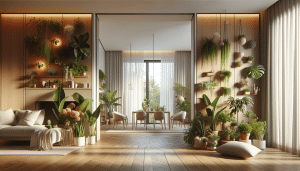
Living in city apartments or homes with small yards often limits traditional gardening options. Vertical gardens offer a solution, transforming bare walls or fences into vibrant displays of plants. By stacking greenery upwards, these gardens help maximize space while allowing more opportunities for creativity and personalization. The benefits go beyond aesthetics. Many people find that vertical gardens reduce indoor air pollutants by increasing oxygen levels and absorbing toxins from the surrounding environment. In addition, vertical gardening can lower overall temperatures and boost humidity, making living spaces more comfortable (Source: https://www.epa.gov/indoor-air-quality-iaq/indoor-plants-air-quality).
Vertical gardens work well in compact homes that lack a traditional outdoor space. Even small balconies and kitchen walls offer the perfect backdrop for lush, vertical greenery. You can adapt the concept using wall-mounted planters, recycled pallets, felt pockets, or customized trellises. Because vertical gardens conserve space, they’re often chosen for sustainable living initiatives and urban gardening movements. The approach supports the cultivation of edible herbs, succulents, or even vegetables—making fresh produce more accessible when outdoor space is scarce (Source: https://extension.umn.edu/how/vertical-gardening).
Beyond saving space, vertical gardening can positively impact your home’s atmosphere. Studies show that bringing plant life into homes or offices helps lower stress and sharpen focus. Many homeowners also find satisfaction in creating visually inspiring displays, whether arranged symmetrically or with bursts of cascading colors. Some even layer aromatic herbs, which can be conveniently snipped during meal prep. Ultimately, the versatility and wellness potential of vertical gardens make this approach especially appealing for those who crave nature’s calming presence indoors (Source: https://www.ncbi.nlm.nih.gov/pmc/articles/PMC4419447/).
Choosing the Right Plants for Vertical Gardens
Plant selection is key to a healthy and thriving vertical garden. Light levels, watering frequency, and available space play a crucial role in what will flourish. Low-light indoor areas often suit plants such as pothos, philodendrons, and some ferns. Outdoor walls that get stronger sunlight can accommodate herbs like basil, thyme, and strawberries or even climbing vegetables like beans. Consider your desired look: bushy foliage plants bring softness, while succulents give a structured appearance and require less watering overall.
Some plants are especially equipped for vertical displays because they can tolerate close spacing and limited soil. For lush, trailing effects, experiment with spider plants, English ivy, or mosses. These options fill vertical planters quickly, creating an attractive, layered effect. When growing edibles, use lettuce, microgreens, or chives, which adapt well to confined pots and recover quickly after harvest. Rotating plant varieties throughout the seasons also keeps your vertical garden looking fresh and prevents nutrient depletion in the soil (Source: https://www.rhs.org.uk/garden-inspiration/vertical-gardening).
Mature plant size should always factor into planning. Smaller-leaved varieties tend to grow neatly in modules, while vining species need space to trail or climb. Researching plant compatibility helps ensure that each species shares similar light and water requirements. For a more dramatic look, combining flowering annuals with scented herbs can enliven a vertical garden both visually and aromatically. Ultimately, mixing textures, colors, and heights creates visual interest and allows each plant to shine in its space on the wall.
Designing and Constructing Your Vertical Garden
The first step in designing a vertical garden is to assess your available wall or fence space. Decide whether your garden will be placed indoors or outdoors, and plan around the amount of direct sunlight the site receives. Measure your wall, choose suitable structures (modular panels, hanging pots, pocket systems), and sketch a layout. Recycled materials like wooden pallets and shoe organizers are popular low-budget choices that bring eco-friendly flair. Clear planning ensures long-term success and helps avoid overloading the wall—especially in rental homes.
Watering and drainage are two crucial design elements. Most vertical garden structures need built-in drip irrigation or efficient watering channels to ensure even moisture distribution. Consider waterproof backing or lining between the structure and your wall to prevent damage. If you choose felt pockets or fabric planters, ensure root protection and moisture retention with quality potting mix. Lightweight frame materials, such as aluminum or plastic, are often preferred for indoor setups because they won’t strain existing structures.
Customization adds personality to any vertical garden. Mix different container shapes, stack platforms at varying levels, or use lattice panels for climbing varieties. Accent your display with decorative features, such as hanging fairy lights or small garden ornaments between the greenery. Some people choose to add built-in shelving for garden tools or extra pots, maximizing utility on a small wall. Continuous tweaking—swapping plant varieties or rearranging layouts—keeps the garden lively and responsive to changing tastes or seasons.
Keeping Vertical Gardens Thriving Long-Term
After establishing your vertical garden, ongoing maintenance is vital. Watering schedules need to align with the microclimate of your chosen wall—indoor gardens may require less frequent irrigation than outdoor ones. Regular inspection for pests, yellowing leaves, or soil dryness helps prevent common issues before they become problematic. Feeding your plants with diluted, balanced liquid fertilizer every few weeks ensures consistent vigor, especially in densely planted arrangements.
Pruning is just as important as watering. Many vertical garden favorites—like herbs and trailing foliage—can speedily outgrow their allotted space. Routine trimming controls growth and encourages fuller, bushier plants. Removing old flowers or dead leaves also reduces disease risk and keeps the whole arrangement tidy. Rotate plant positions occasionally so that each receives even sunlight and airflow, helping every plant achieve balanced growth over time.
Despite best efforts, some plants may struggle or fail to adapt to their vertical orientation or the indoor climate. Don’t hesitate to replace them with new varieties or fall back on reliably hardy options. Keeping a supply of fresh soil and spare pots on hand makes for easy swaps when needed. Eventually, maintaining your garden becomes second nature—rewarding you with a wall of healthful greenery to enjoy through every season (Source: https://www.gardendesign.com/vertical/maintenance.html).
Cost-Saving Tips and Eco-Friendly Practices
Building an impressive vertical garden doesn’t require expensive materials or professional installation. Repurpose everyday items—like wooden pallets, plastic bottles, and old gutters—to create custom planters. Many gardeners enjoy hunting for budget-friendly supplies at thrift stores or online marketplaces. Upcycling not only saves money but also helps reduce environmental waste. When planning your garden, compare local plant nurseries and online retailers for cost-effective plant bundles specific to your climate.
Eco-conscious watering techniques can minimize utility bills. Rainwater collection systems, paired with moisture-retentive soil and mulch, drastically reduce the amount of piped water required. Adding a layer of organic mulch on top of planters maintains moisture and discourages weeds. Low-energy LED grow lights offer a sustainable way to supplement light indoors, reducing your carbon footprint and optimizing plant growth year-round (Source: https://www.energy.gov/energysaver/residential-water-efficiency).
If using chemical fertilizers, apply sparingly to avoid runoff and environmental harm. Many choose compost or organic plant food as safer alternatives. Getting involved with neighborhood gardening groups or exchanging seeds can lower initial costs. Sharing cuttings also builds a community network of fellow vertical garden enthusiasts, offering ongoing support and ideas for further innovation. Everyone benefits when sustainable practices become part of everyday gardening.
Creative Inspiration and Vertical Garden Trends
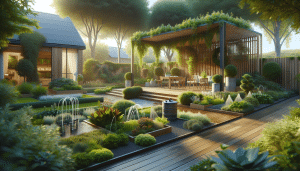
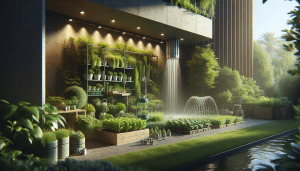
Vertical gardening is growing beyond kitchen herb walls and decorative planters. Living walls are increasingly featured in urban design projects, big businesses, and modern apartment blocks. The trend encourages creative experimentation—combining edibles, succulents, and ornamentals in one display. Some residents even design movable panels or rotating plant towers, offering flexibility in limited areas. Rooftop terraces, patios, and entryways can be energized with vertical installations that instantly increase curb appeal and property value.
Indoor vertical gardens are more than showpieces. Many double as room dividers, privacy screens, or artistic alternatives to traditional wallpaper. By mixing fragrant herbs with flowering annuals, you create both visual and sensory interest. Digital gardening apps now assist with tracking watering, light, and nutrient needs, helping even beginners keep vibrant displays healthy. As more people embrace urban living, the inventive applications for vertical gardens continue to expand (Source: https://www.architectureanddesign.com.au/features/features-articles/inspiring-vertical-garden-designs).
Tapping into emerging trends keeps vertical gardens fresh. Try incorporating smart technology—like automated watering or adjustable grow lights—to simplify maintenance. For a touch of whimsy, integrate unique planters, such as teacups or colored pots, to personalize your wall. No matter how you approach vertical gardening, mixing inspiration with practical know-how helps create a living legacy that delights anyone who enters your home.
References
1. U.S. Environmental Protection Agency. (n.d.). Indoor Plants & Air Quality. Retrieved from https://www.epa.gov/indoor-air-quality-iaq/indoor-plants-air-quality
2. University of Minnesota Extension. (n.d.). Vertical Gardening. Retrieved from https://extension.umn.edu/how/vertical-gardening
3. Bringslimark, T., Hartig, T., & Patil, G.G. (2009). The psychological benefits of indoor plants. Retrieved from https://www.ncbi.nlm.nih.gov/pmc/articles/PMC4419447/
4. Royal Horticultural Society. (n.d.). Vertical gardening: getting started. Retrieved from https://www.rhs.org.uk/garden-inspiration/vertical-gardening
5. Garden Design. (n.d.). Tips for Maintaining Your Vertical Garden. Retrieved from https://www.gardendesign.com/vertical/maintenance.html
6. U.S. Department of Energy. (n.d.). Residential Water Efficiency. Retrieved from https://www.energy.gov/energysaver/residential-water-efficiency

 Student Loan Forgiveness Paths You Might Overlook