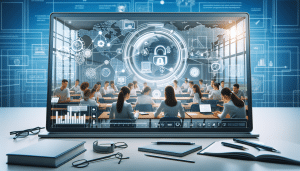
You Can Unlock New Careers With Online Learning
Ethan Carter September 26, 2025
Explore how online learning opens doors to career growth and skills transformation. This guide reveals ways you can access flexible, affordable courses, build professional credentials, and fit higher education into your life—no matter your background or schedule.
Online Learning’s Expanding Role in Modern Education
Online learning is transforming education across the globe. The explosion of virtual classrooms, video tutorials, and interactive platforms means more people can access knowledge from anywhere. No matter if you work full time, handle family responsibilities, or live far from a campus, online options break down barriers. Flexible start dates, self-paced modules, and affordable programs appeal to those wanting career changes or advancement. For some, online diplomas are the bridge to better jobs. Others use open resources to deepen personal interests. With new courses launching regularly, the ecosystem is dynamic and responsive to current workforce needs. Now, learners have the choice to acquire skills in data analytics, digital marketing, healthcare, and beyond, often from top institutions.
Employers increasingly recognize credentials earned online. Many companies support staff participation in accredited programs to sharpen expertise. This trend helps people not only upskill, but also reskill entirely—transitioning to new fields without leaving work behind. The temptation is real: imagine standing out in a crowded job market by displaying current digital literacy or niche certifications. These educational opportunities build confidence and help tackle workplace challenges with fresh, research-based strategies. Academic rigor is high in reputable platforms, often mirroring in-person standards, so participants gain genuine value and competitive advantages.
One compelling aspect is accessibility for underrepresented groups. Online learning stretches resources to rural areas, lower-income communities, and individuals facing physical mobility issues. Whether it’s a single course or a full degree, many programs provide support services like tutoring and career counseling. Interactive discussion boards create vibrant learner communities. From basic literacy to advanced technical skill-building, avenues for growth are multiplying. Equitable access helps level the playing field, improving lifetime income potential and societal participation for all.
Building Professional Skills for Growing Industries
With the rapid evolution of workplace technology, today’s industries demand advanced digital skills. Online learning platforms are meeting this call by curating high-impact courses in fields like cybersecurity, project management, and business analysis. Courses are crafted to align with current hiring patterns and economic trends, ensuring learners acquire benchmark competencies. Data shows online certificates, such as those for cloud computing or coding, help many transition from traditional jobs into high-demand sectors like tech and healthcare. This comprehensive approach offers not just raw knowledge, but practical, job-ready toolkits. For many, having access to such resources has proven life-changing—enabling individuals to secure promotions, start freelance ventures, or adapt to industry disruptions.
Unlike dated textbooks, these platforms refresh content regularly, guided by industry experts and real-world feedback. Interactive simulations, peer reviews, and portfolio projects help learners apply theory immediately. This boosts retention and keeps motivation high. Shorter, stackable certifications also allow busy adults to tailor their studies, achieving milestone credentials without committing to multi-year degree programs. These micro-credentials showcase specific expertise directly relevant to employers. As hiring managers review applications, digital badges and completed coursework strengthen candidacy and demonstrate a commitment to lifelong learning.
There’s an extra layer to this phenomenon—many professional organizations now mandate continuing education credits, and online learning fills this gap efficiently. Whether you’re a nurse renewing a license, an engineer satisfying annual benchmarks, or a teacher keeping up with changing curricula, virtual classrooms deliver on flexibility and compliance. Companies and public agencies increasingly invest in custom online training to foster employee engagement, retention, and innovation. By elevating every team member’s capabilities, organizations become more resilient and competitive in their sector. The ripple effect benefits not just individual careers, but larger communities as well.
Affordable Options to Access Higher Education Online
Affordability remains a central concern for learners worldwide. Traditional college tuition and associated costs (housing, transportation, textbooks) can create significant financial barriers. However, online education offers a growing catalog of budget-friendly courses and degree pathways. Prominent universities, government initiatives, and nonprofit organizations provide scholarships, needs-based aid, or even fully funded programs for eligible participants. Some platforms, such as OpenCourseWare or edX, allow individuals to audit classes free of charge, paying only for verifiable certificates if desired. For career switchers or lifelong learners, these options dramatically lower risk and upfront expense, making professional advancement more attainable for diverse populations.
Another factor boosting affordability is modular, pay-as-you-go learning. Students often enroll in one course at a time, spreading costs over months rather than a single semester. Hybrid models, combining online and campus-based experiences, let participants take core requirements virtually while attending hands-on labs in person. This mix reduces commuting and childcare expenses, enhancing access for parents and working professionals. Some employers also reimburse tuition for accredited courses in exchange for ongoing employment, creating win-win situations for both sides. By understanding subsidy options and institutional policies, learners can build customized, affordable roadmaps to their goals.
Non-degree credentials are also reshaping the value equation. Instead of investing in a four-year program, learners pursue digital badges, nanodegrees, or certificates in a matter of weeks or months. These focused achievements are recognized by companies seeking specialized skills, such as data visualization, UX design, or supply chain management. There’s also a growing ecosystem of free or low-cost resources—scholarships, open textbooks, and even crowdsourced study groups—that supplement formal instruction. When affordability and accessibility merge, the dream of higher education becomes possible for more people than ever.
Flexibility and Self-Paced Learning: Meeting Modern Lifestyles
The flexibility offered by online courses is a significant draw. For those juggling multiple commitments, asynchronous instruction allows for study at any hour. Parents find it easier to fit classes around family routines, while employees can focus on lessons after work or during commutes. The ability to pause, rewind, or review lectures on demand makes mastery possible regardless of learning pace. Many platforms provide customizable schedules, letting participants balance education with health, caregiving, or community obligations. This structure supports diverse learning needs and promotes greater inclusion in higher education.
Self-pacing goes beyond convenience. Each learner can adjust their workload in response to life changes, avoiding the stress of fixed calendars. For those who need extra time—whether coping with health issues or balancing gig jobs—this autonomy ensures continued progress without penalty. Modular programs also let participants choose topics aligned with evolving goals, promoting a sense of agency. Some institutions extend deadlines or offer rolling admissions, ensuring education adapts to students—not the other way around. This responsive approach is especially critical in uncertain times, when stability can be elusive.
Live discussion boards, mentorship opportunities, and group projects help virtual students stay connected. While online environments can feel isolating, robust community forums and project-based assessments simulate real-world teamwork. Alumni networks, social meet-ups, and even virtual internships create ongoing support. Over time, learners often gain not just technical skills, but also digital communication, collaboration, and self-management—essential traits for the modern workforce. As a result, online students graduate more adaptable and prepared for multifaceted careers in a rapidly changing world.
Credential Recognition and Career Outcomes
One of the recurring questions around online learning is the recognition and value of digital credentials in the job market. Trusted organizations, universities, and companies increasingly collaborate on highly visible, accredited programs—ensuring employers view graduates’ skills as verified and relevant. Many hiring managers report that candidates with digital certificates or online degrees demonstrate strong self-direction and tech fluency. These qualities are prized in a workplace shaped by remote collaboration and quick adaptation. Credential transparency, often backed by blockchain or digital portfolios, provides a verifiable record that can be shared instantly during hiring cycles.
Career outcomes for online learners are promising. Numerous research studies and alumni surveys reveal that individuals completing online programs experience higher employment rates and increased salaries, compared with those lacking postsecondary education. In high-need areas—such as healthcare support, IT, and renewable energy—online pathways are creating pipelines of talent for employers struggling to fill skilled roles. Participants also report increased job satisfaction as a result of greater flexibility to pursue their passions or realign their work-life balance. For employers, these new routes to accreditation yield more diverse and agile teams.
The landscape is maturing further with new frameworks for verifying competencies. Digital transcripts, skill badges, and verified project portfolios make abilities visible to recruiters worldwide. Global learning networks facilitate credential portability across regions and even countries. Such developments support a mobile, borderless workforce—essential in an era of global remote work and economic migration. As digital credentials gain traction, individuals are empowered to chart ambitious career paths on their own timelines, regardless of traditional boundaries.
Lifelong Learning and Social Mobility
Lifelong learning is no longer optional. Industries evolve quickly, and staying current means returning to skill-building regularly. Online education supports this lifelong journey by making continuing education available at any life or career stage. A retired person curious about entrepreneurship, a mid-career engineer pivoting to data science, or a young parent resuming studies—each finds opportunity online. Many universities and nonprofits organize workshops, short courses, and community events with flexible entry. The embrace of lifelong learning is associated with improved mental agility and adaptability, qualities needed far beyond professional life. Online offerings mean this mindset becomes accessible to all, not just the privileged few.
Social mobility has profound connections to accessible education. When people in marginalized or rural communities access world-class instructors and global peer groups, doors open where none existed before. This innovation strengthens communities, reduces income inequality, and spurs civic participation. Governments, international agencies, and philanthropies all invest in digital literacy projects for this reason—to break cycles of poverty and exclusion. Recent studies indicate individuals completing online or hybrid education experience upward mobility over their lifetimes. It’s not instant, but the trajectory shifts. A child in a small town, learning coding from global mentors, may one day launch a business or contribute to industry innovation from afar.
This social impact is magnified through collaboration and sharing. Open access, creative commons materials, and crowd-sourced study groups foster co-learning. Interactive platforms encourage mentorship between new and advanced learners, reinforcing skills through teaching others. The multiplier effect lifts individuals and whole communities. As educational institutions, companies, and government agencies partner on bold digital initiatives, the momentum for equitable, lifelong learning builds worldwide. Empowering individuals to learn at any age means a brighter, more resilient future for all.
References
1. Allen, E. I. & Seaman, J. (2017). Digital Learning Compass: Distance Education Enrollment Report. Retrieved from https://onlinelearningsurvey.com/reports/digtiallearningcompassenrollment2017.pdf
2. U.S. Department of Education. (2021). Online Learning and College Completion. Retrieved from https://www2.ed.gov/about/offices/list/ous/international/usnei/us/edlite-index.html
3. World Economic Forum. (2020). Schools of the Future: Defining New Models of Education for the Fourth Industrial Revolution. Retrieved from https://www.weforum.org/reports/schools-of-the-future-defining-new-models-of-education-for-the-fourth-industrial-revolution
4. National Center for Education Statistics. (2022). Credits, Credentials, and Competencies. Retrieved from https://nces.ed.gov/fastfacts/display.asp?id=805
5. Coursera. (2023). Global Skills Report. Retrieved from https://www.coursera.org/about/global-skills-report
6. UNESCO. (2019). Leveraging Information and Communication Technologies to Achieve Lifelong Learning. Retrieved from https://unesdoc.unesco.org/ark:/48223/pf0000372341

 Trendy Home Decor Ideas You Secretly Crave