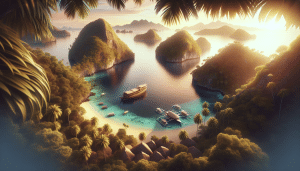
Travel Destinations That Combine Adventure and Learning
Daniel Kim September 29, 2025
In 2025, travel is taking a more thoughtful turn. People want more than a getaway—they want growth. They’re craving cultural depth, hands-on experiences, and challenges that stretch the body and the mind. Enter the booming trend of adventure learning travel, where destinations offer a mix of exploration, personal development, and immersive education.
Whether it’s monitoring sea turtles in Costa Rica, participating in archaeological digs in Greece, or learning traditional crafts in Japan, travelers are seeking trips that spark curiosity while satisfying their thirst for movement. This guide breaks down why adventure learning travel is trending, where to go, and how to make the most of it.

Why Adventure Learning Travel Is Trending Now
1. Travelers Want More Than Sightseeing
Passive tourism is losing its appeal. Modern travelers, especially Gen Z and Millennials, are looking for purpose. They’re asking, “What can I learn? What can I contribute?” The idea of learning while trekking, diving, or living among locals offers more value than any souvenir ever could.
2. Experiential Learning is Proven to Be Effective
Learning by doing isn’t just a trendy idea—it’s backed by science. Studies show that experiential learning, especially when tied to emotions or challenges, enhances retention and engagement. Combining that with adventure magnifies the impact of the experience.
3. Tech-Savvy Travelers Expect Personalization
With apps, AI, and smart travel gear, it’s easier than ever to customize trips. Travelers are now curating educational components into their itineraries, whether that’s attending local workshops, joining fieldwork programs, or taking part in conservation initiatives.
4. Sustainability is a Priority
Modern adventurers are environmentally conscious. They’re choosing travel that supports communities, protects ecosystems, and teaches skills or knowledge that can be passed on. Adventure learning travel often partners with NGOs, universities, and local experts to ensure positive impact.
What Makes a Destination Ideal for Adventure Learning Travel?
Not every place qualifies. The best adventure learning travel destinations offer more than scenic views—they provide structured, hands-on learning opportunities, access to nature or culture, and active participation.
Look for destinations with:
- Cultural immersion: Authentic interaction with local people, traditions, and crafts.
- Field education: Opportunities to engage in science, history, or ecology directly on-site.
- Physical activity: Hikes, dives, climbs, or treks that make the experience dynamic.
- Community partnerships: Programs tied to local benefits or sustainable development.
- Flexible structure: Enough guidance to learn, but room for exploration.
Top Adventure Learning Travel Destinations in 2025
1. Costa Rica: Biodiversity & Conservation
Costa Rica has become a hub for eco-conscious adventure learning. You can work with researchers on rainforest ecology, help track sea turtles, or study cloud forest dynamics. Programs offer fieldwork mixed with hiking, kayaking, and canopy tours. It’s ideal for those interested in biology, sustainability, and outdoor immersion.
2. Japan: Craftsmanship and Nature
Rural Japan offers unique opportunities to learn centuries-old crafts like indigo dyeing, ceramics, or sword forging. These are often combined with outdoor activities like forest bathing, mountain hiking, or rice harvesting. The experience is both meditative and hands-on—perfect for travelers seeking quiet adventure with cultural learning.
3. New Zealand: Geology, Glaciers & Outdoor Education
With its active tectonics and stunning landscapes, New Zealand is a dream for geology enthusiasts and nature lovers. Travelers can join programs that explore volcanic activity, glacial formations, and native plant ecology—often while hiking, climbing, or kayaking. Learning about the Earth while standing in it brings education alive.
4. Greece: Archaeology & Cultural Studies
History buffs flock to Greece not just to see ruins, but to work on them. Several academic and volunteer organizations allow travelers to assist in actual archaeological digs, learn about ancient civilizations, and explore the mythos of Greece while hiking its iconic terrain.
5. Mongolia: Nomadic Life & Survival Skills
For travelers seeking remote adventure, Mongolia offers falconry, horseback travel, and insight into nomadic traditions. Programs may include learning to train eagles, erecting gers (traditional tents), or understanding steppe ecology. You’ll be moving, learning, and connecting with some of the world’s most resilient cultures.
How to Plan a Successful Adventure Learning Trip
Follow these steps to make your travel both thrilling and educational:
Step 1: Define What You Want to Learn
Start with curiosity. Are you interested in marine biology? Ancient cultures? Artisan skills? Your interest should guide your destination and activity selection.
Step 2: Research Programs Carefully
Look for programs run by reputable organizations, universities, or nonprofits. Check for:
- Transparent pricing
- Local involvement
- Educational credentials of the instructors
- Safety measures and activity difficulty
Step 3: Choose the Right Season
Timing matters. A wet season might ruin fieldwork, while off-seasons can bring better prices and fewer crowds. Research your destination’s ideal time for travel and learning activities.
Step 4: Train If Needed
Some adventures require physical fitness. Whether it’s altitude hiking or long days of walking at dig sites, prep in advance to fully enjoy the experience.
Step 5: Prepare Mentally
Cultural sensitivity and adaptability are key. Adventure learning often puts you in unfamiliar environments. Be open, respectful, and ready to learn from everyone—including locals.
Step 6: Pack Smart
Gear matters. Bring functional clothing, not just stylish outfits. Include a good journal, tech for documenting, and any gear specified by your program. Less is more, but the right tools make a big difference.
Adventure Learning Doesn’t Always Require Formal Programs
While structured programs are great, you can also create your own version of adventure learning travel:
- Volunteer locally: Join beach cleanups, wildlife monitoring, or food sustainability projects.
- Take classes: Sign up for local cooking, dance, or farming lessons.
- Attend workshops: Look for events hosted by artists, scientists, or educators at your destination.
- Speak to locals: A conversation with a village elder or artisan can teach more than a textbook.
The goal is simple: combine movement with meaning.
Who Is Adventure Learning Travel For?
This style of travel appeals to:
- Solo travelers who want purpose beyond sightseeing
- Gap year students or career breakers seeking personal growth
- Families aiming for educational experiences for kids
- Retirees looking to travel with depth, not just comfort
- Digital nomads who want to enrich their travels with real-world learning
It’s not about age or background—it’s about mindset.
Challenges to Be Aware Of
While rewarding, adventure learning travel can have challenges:
- Cost: Programs often involve fees to cover instruction, equipment, and sustainability.
- Physical demand: Some activities require endurance or resilience.
- Language barriers: Not every destination has English-speaking instructors.
- Logistics: Travel to remote locations may be complicated.
Plan ahead, ask questions, and prepare for the unexpected.
The Future of Travel Is Intelligent and Intentional
As travel continues to evolve in 2025, one thing is clear: people want their trips to matter. They want growth, not just photos. They want adventure that teaches, movement that means something.
Adventure learning travel aligns perfectly with this evolution. It supports local communities, challenges travelers to think and move, and creates memories rooted in real learning. Whether you’re watching a turtle nest, forging a knife, or hiking to an ancient ruin, the knowledge stays with you—long after the trip ends.
Conclusion
In 2025, travel isn’t just about where you go—it’s about what you gain from it. Adventure learning travel is more than a trend; it’s a response to the growing desire for depth, purpose, and impact. Whether you choose a structured program or chart your own course, seek out destinations that teach, challenge, and inspire.
Let your next journey do more than show you the world. Let it teach you how to see it differently.
References
- Desire for deeper experiences- https://arival.travel
- Educational tourism is evolving- https://www.roadscholar.org
- Off-the-beaten-path & sustainable approaches- https://www.the-future-of-commerce.com

 Travel Experiences That Encourage Cultural Awareness