Gardening Practices That Support Sustainability
Isabella Rossi September 30, 2025
As climate challenges intensify, the role of everyday gardeners has become more important than ever. What was once a simple pastime is now recognised as a powerful way to build resilience, restore biodiversity, and reduce environmental impact. Regenerative gardening practices that support sustainability are emerging as a hot topic in 2025, shaping how communities approach food, landscapes, and local ecosystems.
This article explores the most current trends in sustainable gardening, highlighting how individuals and communities are shifting toward practices that don’t just minimise harm but actively improve the environment.
Why Sustainable Gardening Matters More Than Ever
Conventional gardening often relies heavily on synthetic fertilisers, pesticides, and water-intensive practices that strain the planet’s resources. By contrast, sustainable gardening focuses on working with natural systems. It reduces waste, conserves water, improves soil health, and creates habitats for pollinators and other wildlife.
With global conversations about soil degradation, water scarcity, and biodiversity loss gaining momentum, regenerative approaches to gardening are no longer niche. They are quickly becoming mainstream as people look for actionable ways to address climate change in their own backyards.
Emerging Trends in Gardening Practices That Support Sustainability
1. Regenerative Soil Practices
Healthy soil is the foundation of sustainable gardening. In 2025, regenerative gardening practices are moving beyond organic methods to focus on actively restoring soil ecosystems. This includes:
- Composting at scale – turning kitchen scraps and garden waste into nutrient-rich compost that reduces reliance on synthetic fertilisers.
- Biochar use – adding charcoal-like material to soil to improve fertility and lock away carbon.
- Cover cropping in home gardens – traditionally used on farms, cover crops such as clover or rye are being planted in small garden beds to prevent erosion, enrich nitrogen, and improve microbial diversity.
Healthy soil is not only better for plant growth but also acts as a significant carbon sink, helping mitigate climate change.
2. Native Plant Gardening and Rewilding
Another emerging trend is the shift toward native plants and rewilding practices. Instead of lawns or exotic ornamentals that require heavy maintenance, gardeners are choosing local species that are naturally adapted to the climate.
- Native plants reduce the need for chemical inputs and irrigation.
- Pollinator gardens attract bees, butterflies, and birds, strengthening biodiversity.
- Rewilding patches allow parts of a garden to grow naturally, creating microhabitats for small wildlife.
This shift reflects a growing understanding that gardens can be both beautiful and ecologically functional.
3. Water-Wise Gardening
Water scarcity is one of the most pressing global issues, and gardening practices that support sustainability are increasingly centred on conserving this resource. The rise of xeriscaping—gardening designed to reduce or eliminate irrigation—has made its way from arid regions into mainstream practice worldwide.
Key water-wise methods include:
- Installing rainwater harvesting systems to capture and reuse rainfall.
- Using drip irrigation instead of sprinklers to minimise water loss.
- Choosing drought-resistant native plants.
- Applying mulch to lock in soil moisture and reduce evaporation.
By designing gardens with water efficiency in mind, individuals contribute directly to more sustainable water use.
4. Edible Landscaping and Food Security
As food prices fluctuate and supply chains face disruption, many households are turning their gardens into productive food systems. Edible landscaping combines aesthetics with practicality, incorporating fruit trees, herbs, and vegetables into garden design.
Trends in 2025 include:
- Perennial vegetables (like asparagus and rhubarb) that provide long-term harvests with minimal inputs.
- Food forests – layered systems that mimic natural forests with trees, shrubs, and ground crops working together.
- Balcony and rooftop gardens – urban spaces converted into green areas for growing food, reducing reliance on industrial agriculture.
This shift is not just about personal food security but also about reducing the environmental footprint of food production.
5. Smart Gardening Technology
Technology is playing a growing role in supporting sustainable gardening. Smart tools and apps are helping gardeners make data-driven decisions, reducing waste and maximising efficiency.
Examples include:
- Soil sensors that monitor moisture and nutrient levels.
- AI-powered apps that provide customised planting and care schedules.
- Automated drip irrigation systems connected to weather forecasts to optimise water use.
These innovations allow gardeners to align convenience with ecological responsibility, making sustainability more accessible to wider audiences.
6. Community-Based Gardening Movements
Sustainability is not only about individual action—it thrives in community. Across cities and towns, community gardens and seed-sharing initiatives are growing in popularity.
- Community gardens provide local access to fresh produce, particularly in urban areas with limited green space.
- Seed libraries encourage biodiversity by helping gardeners preserve heirloom and rare plant varieties.
- Shared composting hubs reduce organic waste that would otherwise end up in landfills.
The collective impact of these efforts demonstrates how gardening practices that support sustainability can also build social connections and strengthen communities.
Practical Tips for Starting a Sustainable Garden
If you want to integrate sustainability into your gardening routine, here are simple, actionable steps:
- Start with soil health – Test your soil, add compost, and avoid synthetic fertilisers.
- Choose native plants – They are lower maintenance, water-efficient, and pollinator-friendly.
- Install rain barrels – Capture and reuse water for irrigation.
- Use organic pest control – Try companion planting, neem oil, or introducing beneficial insects instead of chemical sprays.
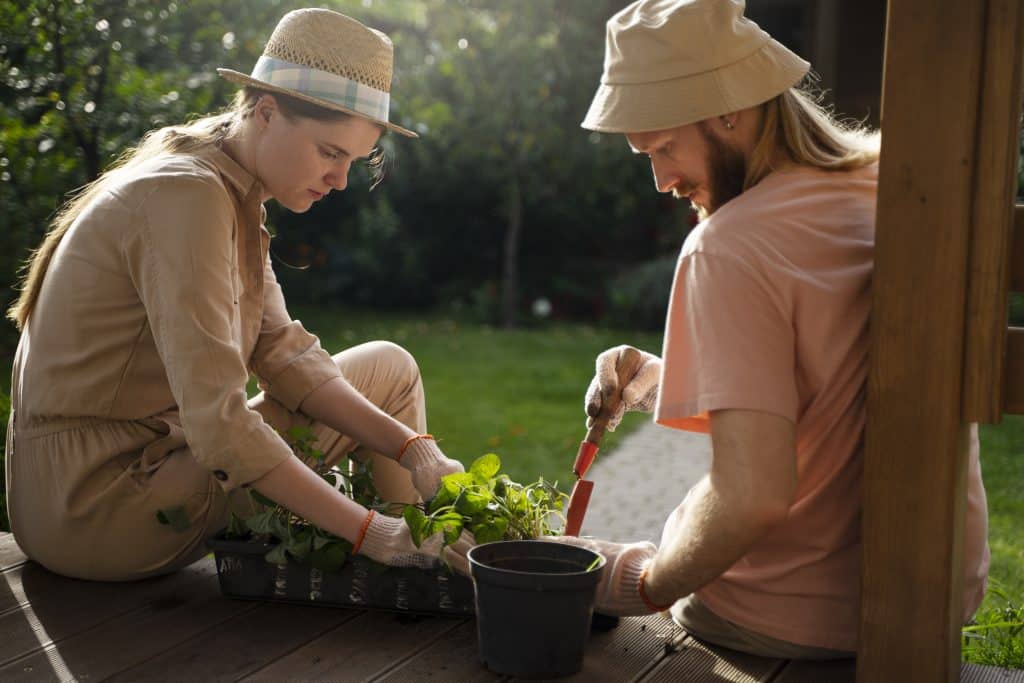
- Grow food – Even small herb pots or balcony planters reduce dependence on industrial agriculture.
- Mulch generously – Helps conserve water, prevent weeds, and improve soil health.
- Join a community effort – Participate in local seed exchanges or composting projects.
Looking Ahead: The Future of Sustainable Gardening
Sustainable gardening is no longer just about minimising harm—it’s about regeneration. From soil restoration and biodiversity protection to water conservation and smart technologies, the practices shaping 2025 reflect a future where gardens are active participants in ecological recovery.
The growing popularity of regenerative gardening practices that support sustainability signals a cultural shift: people want to reconnect with nature, reduce their environmental footprint, and contribute to healthier ecosystems. Whether through personal backyards, urban rooftops, or community plots, these practices are shaping greener, more resilient communities.
Conclusion
Gardening has always been about growth, but today it carries a deeper purpose. By adopting regenerative gardening practices that support sustainability, individuals are not just nurturing plants—they are nurturing the planet.
The choices we make in our gardens today will ripple outward, influencing biodiversity, food security, water conservation, and climate resilience. And as these trends continue to gain momentum, the garden of the future is looking more sustainable, interconnected, and purposeful than ever before.
References
- Soil Microbiome & Regenerative Soil Practices- https://www.frontiersin.org
- Vertical Farming, Controlled Systems & Technological Tools- https://pubmed.ncbi.nlm.nih.gov
- Community Gardens, Social & Ecological Benefits- https://pmc.ncbi.nlm.nih.gov

 Interior Design Ideas That Enhance Productivity