Small Space Living Ideas You Haven’t Seen Before
Sofia Alvarez October 16, 2025
Discover new inspiration for small space living that maximizes comfort and functionality. Explore clever organization hacks, stylish multipurpose furniture, and creative decor solutions—this guide reveals strategies to help anyone transform a compact home into a spacious-feeling retreat.
Understanding the Small Space Living Revolution
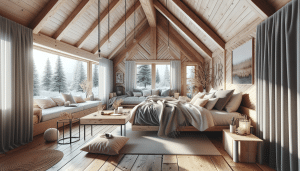
Small space living is more than a trend—it’s a lifestyle revolution driven by urbanization and a desire for simplicity. More people are choosing compact apartments, tiny homes, and micro-lofts to embrace minimalism and reduce their environmental footprint. Comfort and efficiency aren’t compromised when you live small; instead, creative solutions make all the difference. Downsizing possessions encourages a more mindful approach to daily life, prioritizing what matters and letting go of excess. Many find that closely curating their belongings brings freedom, not limitation. Major cities from Tokyo to New York are seeing this movement grow as housing demands shift and eco-friendly living gains momentum.
Rising real estate costs in metropolitan areas have made small homes and apartments popular for both singles and families. Clever floor plans and flexible furniture allow even the smallest space to feel open and inviting. Urban dwellers appreciate the potential for reduced maintenance and utility bills, freeing up resources for travel and experiences. Smart storage and space-saving design have become vital, fueling a market of innovation and smart products. Small doesn’t mean less livable. This evolution transforms the way interior designers and homeowners approach comfort and style, blending practicality with personal aesthetics.
This move toward compact living is also about sustainability. Smaller spaces require fewer resources to operate and maintain, meaning lower energy consumption and a lighter carbon footprint. Many apartment owners find that thoughtful design elements—like vertical gardens or energy-efficient lighting—boost well-being and reduce environmental impact. With some thoughtful planning and the right mindset, small space living supports greener, more conscious lifestyles. Designers and architects increasingly focus on solutions tailored to tiny homes, maximizing every available inch with fresh creativity (Source: https://www.archdaily.com/925036/compact-housing-living-large-in-small-spaces).
Creative Storage Ideas That Change Everything
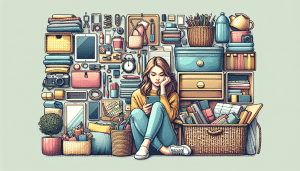
Storage is the secret weapon of small home design. Instead of bulky cabinets that swallow up precious floor space, wall-mounted shelves and hidden compartments keep things tidy and easy to find. Furniture that doubles as storage—like ottomans with lift-up lids or beds with drawers—increases functionality without crowding the room. Under-bed boxes are perfect for out-of-season items, while creative hooks behind doors make use of every inch. Some people install built-in seating with compartments underneath, creating cozy nooks that store supplies. Even the smallest entryway can offer shoe racks, baskets, and slimline cubbies, making clutter disappear from sight.
Closet organization systems have transformed the way many manage wardrobes. Slim hangers, stackable baskets, and multi-level rods let people fit more into narrower spaces. Using vertical space is a powerful trick—tall shelves, stacked bins, and even ceiling hooks create extra storage in unexpected places. The right containers make a big difference, preventing mess while keeping everyday items accessible. For renters, over-the-door organizers and rolling carts create flexible spaces. Kitchens can benefit from magnetic knife strips, pegboards, and compact spice racks to free up counter space. Small changes make organizing simple, bringing a sense of calm and order to daily routines.
Digital decluttering is another angle worth exploring. In the era of streaming entertainment and cloud storage, many are reducing the need for physical media like DVDs and paper files. Organizing hobby supplies, mail, and electronics with labeled baskets or divided trays keeps projects from spreading out or getting lost. Thoughtful storage design encourages mindful buying habits—when every object has a home, every new purchase is intentional. This focus on organization creates time-saving routines and stress-free cleaning. Over time, living with less clutter contributes to a clearer mind and a more welcoming environment (Source: https://www.houzz.com/magazine/tidy-up-top-10-ways-to-add-storage-to-your-small-space-stsetivw-vs~43099884).
Multipurpose Furniture: The Secret to Spaciousness
Multipurpose furniture is the backbone of comfortable small space living. Sofas that turn into beds, tables that fold down from the wall, and extendable dining sets let one room serve many purposes. A desk by day can transform into a dinner table at night. Rolling kitchen islands add prep space and tuck away when not needed. The appeal of these solutions? They allow even a single room studio to support work, relaxation, and entertaining guests. Selecting versatile furniture empowers people to design homes that adapt to changing needs, whether working remotely or hosting friends. Adjustable shelving grows with evolving hobbies or collections.
Many major retailers now offer lines devoted to small space living. Pieces combine style and practicality, with materials that withstand frequent use and easy rearrangement. Popular innovations include nesting tables, modular sofas, and Murphy beds that fold up to reveal desks or shelves. For outdoor areas, stackable chairs and collapsible tables provide seating without crowding balconies. These products are not only affordable but also stylish, blending into diverse design schemes. With careful selection, a few well-chosen items can replace a crowded room full of single-use pieces, opening up floor space and optimizing comfort.
Personal touches keep multifunctional spaces from feeling utilitarian. Soft lighting, colorful cushions, and textured rugs add warmth to rooms that change roles through the day. Choosing finishes and fabrics that coordinate throughout the home creates a sense of unity. Open shelving can showcase favorite books and plants, doubling as both storage and display. This approach to living is about more than conservation; it invites ongoing creativity and personal expression. When each piece serves more than one function, it also means greater flexibility and less time spent moving or replacing furniture as needs shift (Source: https://www.architecturaldigest.com/story/multipurpose-furniture-pieces).
Design Tricks That Make Small Spaces Feel Bigger
Color and light can instantly reshape a room. Pale tones, large mirrors, and strategic lighting placements create an airy, open feeling even in a tiny apartment. White or pastel walls reflect sunlight and artificial light, brightening dark corners. Minimal window treatments let in the most daylight. Hanging curtains higher and wider than the actual window expands the sense of vertical space. Compact pendant lights or wall sconces save space on nightstands and side tables. Mirrored furniture and decor multiply available light, visually doubling the area. Open shelving also helps make kitchens and living rooms feel less boxed in.
Patterns and layouts play an important role. Using larger rugs can trick the eye into seeing a room as more expansive. Keeping flooring consistent throughout an apartment—such as one material or tone—creates flow and avoids the choppy feeling that closed-off zones produce. Furniture arranged away from the walls and into floating groupings forms cozy conversation areas, guiding movement and maximizing usable space. Glass-topped tables, see-through shelves, and Lucite or acrylic chairs create the illusion that furniture takes up less room. The careful selection of statement art, rather than many small pieces, streamlines style without visual noise.
Vertical design harnesses wall height for added impact. Tall bookcases and plants draw the eye up, while ladder shelves or wall-mounted desk units keep the floor clear. Even small bathrooms benefit from tall medicine cabinets or over-the-toilet shelving. Layering lighting—from ambient to task and accent lights—adds depth and interest, making the environment more welcoming. Opting for multipurpose decor, such as folding screens or rotating wall hooks, helps redefine zones for working, relaxing, or entertaining. Smart layouts make every inch count, turning even awkward corners into visually impressive, functional spots (Source: https://www.apartmenttherapy.com/how-to-make-a-small-space-look-bigger-265717).
Decor Inspiration: Personalizing Your Cozy Retreat
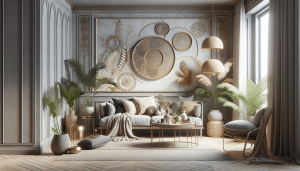
Affordable decor doesn’t mean plain or boring. Small homes provide an ideal canvas for unique, personalized touches—think gallery walls, handmade crafts, and vibrant textiles. Plants add warmth and life without taking up much room. Air-purifying varieties boost indoor air quality and require little maintenance. Removable wallpaper and peel-and-stick tiles transform a kitchen backsplash or accent wall without major renovations or commitment. A few statement pieces—like a vintage lamp, colorful throw, or bold patterned cushion—highlight your style. Rotating accessories by season or mood keeps the space feeling fresh and flexible as tastes evolve.
Artful organization blends beauty and function. Floating shelves with coordinated baskets display essentials in living rooms or entryways. Pegboards become art installations in kitchens or offices, combining color with purpose. Bookshelves lined with fairy lights or decorative boxes store and showcase prized possessions, making storage a visual asset. Layered textures—woven baskets, knit throws, ceramic planters—bring dimension to every corner. Even compact homes benefit from scented candles, diffusers, or small water features, which introduce soothing sensory experiences. Personal photos framed gallery-style make memories a visible part of daily life.
The beauty of a small home is its adaptability. Rearranging layouts or swapping out decorative elements is easy and budget-friendly. Digital inspiration from sites and social media encourages experimentation. Many enthusiasts share before-and-after transformations or apartment therapy tips, offering fresh ideas for styling tiny spaces. Community groups provide support for DIY projects and thrifty finds. Whether renting or owning, anyone can create a retreat that reflects their personality, inspires relaxation, and fosters creativity within any square footage (Source: https://www.goodhousekeeping.com/home/decorating-ideas/g2121/small-apartment-design-ideas/).
Entertaining and Living Well in Small Spaces
Hosting guests in compact homes is easier than it seems with a few clever adjustments. Extendable tables, stackable stools, and folding chairs quickly transform a living room for social gatherings. Trays and tiered stands make serving food and drinks functional on modest surfaces. Opting for buffet-style meals or finger foods encourages mingling and frees up seating. When entertaining overnight guests, portable air mattresses or convertible sofas add sleeping space with minimal hassle. Lighting candles or string lights creates an intimate, welcoming atmosphere, even in limited square footage. Thoughtful details—blankets, slippers, or a music playlist—turn any gathering into a memorable occasion.
Organization makes a big difference before and after guests arrive. Storage ottomans and under-seat baskets can hide everyday items, instantly clearing surfaces for shared use. Open-concept layouts, even in a studio, encourage movement and foster an inclusive vibe. Flexible decor—like folding screens or rolling carts—define party zones for drinks, snacks, or games. Creative centerpiece ideas, such as bud vases, LED candles, or edible displays, save space and spark conversation. Guests often appreciate innovative use of compact areas. Socializing in a small home prioritizes meaningful interaction over excess, proving that memorable experiences don’t require grand spaces.
Day-to-day well-being also flourishes in thoughtfully designed small homes. Integrating wellness elements—like meditation cushions, compact fitness equipment, or mini herb gardens—makes healthy habits fit any lifestyle. Many find that small space living inspires more time outdoors, connecting with local parks, cafes, or museums. Community living arrangements, such as co-housing or shared gardens, increase opportunities for connection and shared resources. With intentional design and a flexible mindset, compact homes offer everything needed for rich, fulfilling lives (Source: https://www.apartmenttherapy.com/small-space-entertaining-290181).
References
1. ArchDaily. (n.d.). Compact Housing: Living Large in Small Spaces. Retrieved from https://www.archdaily.com/925036/compact-housing-living-large-in-small-spaces
2. Houzz. (n.d.). Tidy Up: Top 10 Ways to Add Storage to Your Small Space. Retrieved from https://www.houzz.com/magazine/tidy-up-top-10-ways-to-add-storage-to-your-small-space-stsetivw-vs~43099884
3. Architectural Digest. (n.d.). Multipurpose Furniture Pieces That Work Extra Hard. Retrieved from https://www.architecturaldigest.com/story/multipurpose-furniture-pieces
4. Apartment Therapy. (n.d.). How to Make a Small Space Look Bigger. Retrieved from https://www.apartmenttherapy.com/how-to-make-a-small-space-look-bigger-265717
5. Good Housekeeping. (n.d.). 65 Small Apartment Design Ideas That Will Make Your Space Feel Bigger. Retrieved from https://www.goodhousekeeping.com/home/decorating-ideas/g2121/small-apartment-design-ideas/
6. Apartment Therapy. (n.d.). Entertaining in a Small Space. Retrieved from https://www.apartmenttherapy.com/small-space-entertaining-290181

 Unlocking the Power of Gut Health for Your Wellbeing